bilateral hearing loss

Bilateral Hearing Loss – Everything You Need for Better Hearing Care

In daily life, hearing is highly important. It enables you to listen to music, have conversations, stay in touch with relatives, and stay conscious of your surroundings. Communication, self-assurance, and general quality of life can all be impacted when hearing begins to deteriorate in both ears. Bilateral hearing loss is the term for this condition.

At first, many people notice minor differences, such as having to ask others to repeat themselves or turning up the TV volume more than usual. These minor symptoms may eventually become more apparent and begin to interfere with day-to-day activities. Better hearing care begins with an understanding of bilateral hearing loss. People with bilateral hearing loss can maintain a more active lifestyle and improve their hearing with the correct diagnosis, treatment, and support.


What is Bilateral Hearing Loss?

If you’ve ever wondered what bilateral hearing loss is, it’s just hearing loss that affects both ears. Each ear may have the same degree of hearing loss, or one ear may be more severely affected than the other. The severity of bilateral hearing loss can vary from minor to severe. While some people may have trouble understanding speech even in quiet settings, others may have trouble hearing soft sounds.

Bilateral hearing loss comes in various forms, such as:

  • Damage to the inner ear or hearing nerve results in sensorineural hearing loss.
  • Conductive hearing loss is the result of improper sound transmission in the middle or outer ear.
  • Combining sensorineural and conductive hearing loss is known as mixed hearing loss.

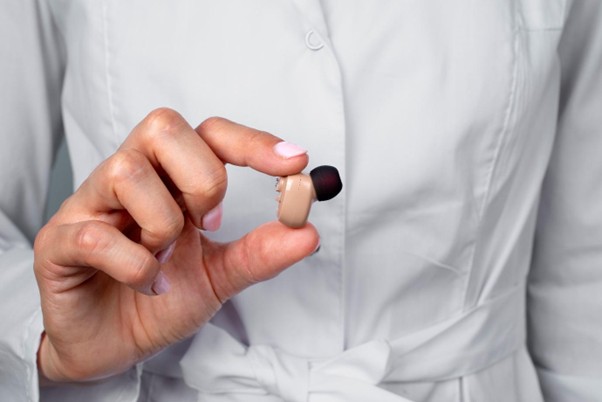
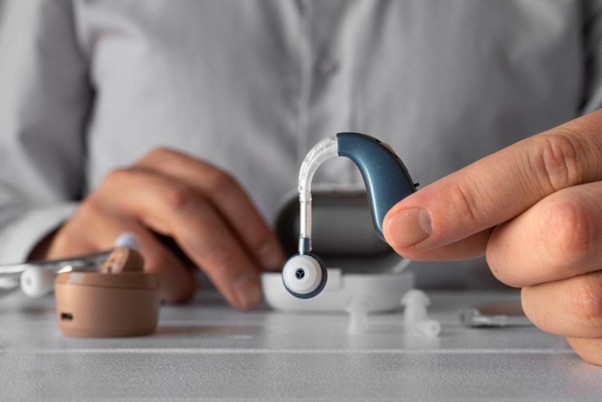
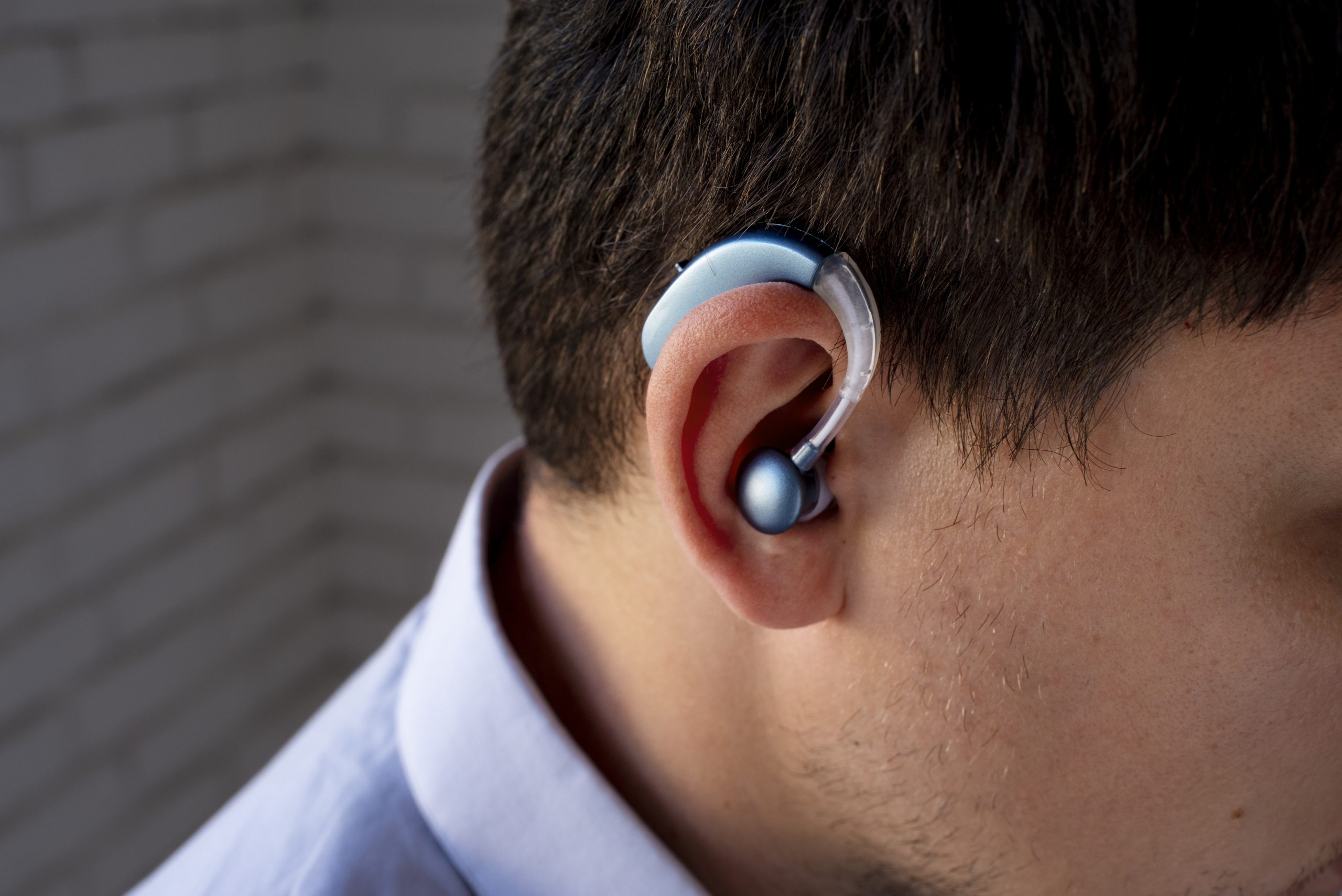
Hearing aids for mixed hearing loss may be recommended as part of a therapy plan. These gadgets can facilitate conversation and enhance sound quality. Compared to hearing loss in one ear, bilateral hearing loss often has a greater impact on speech comprehension, sound localization, and balance because it affects both ears.


Common Causes of Bilateral Hearing Loss

Bilateral hearing loss can happen for a variety of causes. Sometimes it takes a long time to develop. Others may experience it abruptly as a result of disease, trauma, or other health issues.

Aging: One of the most frequent causes of bilateral hearing loss is age-related hearing loss. The microscopic structures in the inner ear may deteriorate with age, making clear hearing more difficult.

Noise Exposure: Hearing in both ears can be harmed by prolonged exposure to loud noise. This includes noise from firearms, concerts, power tools, machinery, and loud music played through headphones.

Ear Infections: Hearing loss can occasionally result from recurrent ear infections, particularly if they are not appropriately managed. Both ears may be impacted by persistent infections, which can cause long-term harm.

Genetics: Some people have hearing loss from birth, or develop it due to genetic disorders. Bilateral hearing loss may be more likely if hearing issues run in the family.

Medical Conditions: Hearing loss in both ears can be caused by certain medical problems. These could consist of:

  • Diabetes
  • High blood pressure
  • Heart disease
  • Autoimmune disorders
  • Viral infections

Ototoxic Medications: One of the negative effects of several drugs is hearing impairment. These are referred to as ototoxic medications and can include high doses of aspirin, chemotherapeutic agents, and some antibiotics.

Head Injuries: Hearing issues in one or both ears might result from head trauma that damages the ear’s structures. Early detection is crucial regardless of the reason. Early detection of hearing loss can improve treatment outcomes and stop further deterioration.


Symptoms of Bilateral Hearing Loss

It can be challenging to recognize the signs of hearing loss because it often develops gradually. Even if you just perceive the smallest indications of hearing loss, it is still worthwhile to consult a specialist. Being proactive will enable you to get an accurate diagnosis as soon as possible, allowing you to seek treatment if needed. Any identifiable symptoms may indicate a slight, moderate, severe, or profound hearing loss.

Typical signs of hearing loss include:

  • Inability to comprehend people, particularly in noisy settings
  • Increasing the TV’s volume above normal
  • Requesting that people repeat themselves
  • Using lip reading to decipher what others are saying

Additionally, because sounds will be louder in one ear than the other, unilateral hearing loss is usually easier to detect. When sound is often harder to hear in both ears, bilateral hearing loss can be diagnosed.

Diagnosis and Hearing Tests

The best method to verify bilateral hearing loss is through a professional evaluation. The kind, severity, and source of hearing issues can all be determined with a thorough hearing evaluation.

A hearing care specialist may do the following during a visit:

  • Examine your medical background.
  • Enquire about lifestyle variables and symptoms.
  • Check for obstructions or indications of infection in your ears.
  • Conduct a hearing test.
  • Assess your comprehension of speech.
  • Look for problems with your balance or inner ears.

A hearing test is easy, painless, and gives you vital information about the state of your hearing. It can determine whether hearing loss affects one or both ears and help in treatment. Residents can benefit from scheduling a routine hearing test in Waco, TX, particularly if they are over 50 or have been exposed to noisy environments. Finding the best course of action for your hearing issues can be greatly aided by consulting with a qualified hearing care specialist or audiologist in Waco, TX.


Treatment Options for Bilateral Hearing Loss

Bilateral hearing loss can be treated in several ways. The kind and severity of the problem determine the appropriate course of action.

Hearing Aids

One of the most popular treatments for bilateral hearing loss is hearing aids. They enhance both ears’ comprehension of speech by amplifying sounds. Hearing devices designed to address both conductive and sensorineural components may be helpful for people with mixed hearing loss. Speech clarity, sound balance, and a more natural listening experience can all be enhanced by wearing hearing aids in both ears.

Medical Treatment

Medical intervention may help restore hearing if an infection, earwax blockage, or fluid accumulation is the cause of hearing loss. Medication, ear cleaning, and other minor procedures could fall under this category.

Surgery

Surgery may be necessary for certain types of conductive or mixed hearing loss. Procedures may enhance sound transmission or aid in restoring damaged ear structures.

Cochlear Implants

Cochlear implants may be an option for those with profound or severe hearing loss who do not get enough benefit from hearing aids. These gadgets deliver signals directly to the hearing nerve, bypassing damaged areas of the ear.

Hearing Rehabilitation

In addition to medical care and technology, hearing rehabilitation can help individuals adjust to changes in their hearing. This could consist of:

  • Communication strategies
  • Speech reading techniques
  • Auditory training
  • Counseling and support

Which devices and treatment choices are best for your lifestyle and hearing goals can be determined with the assistance of a hearing aid specialist.


Better Hearing Starts with Roger Clark Hearing Centers

Although having bilateral hearing loss might be annoying, it can be greatly improved with the correct support. Improved communication and confidence restoration can be achieved with early diagnosis, consistent hearing care, and the appropriate treatment strategy. Roger Clark Hearing Centers is available to assist residents who need a reliable hearing test in Waco, TX, guidance from a skilled hearing care specialist, or advice on hearing aids.

Early indicators of hearing loss should not be ignored. Make an appointment with Roger Clark Hearing Centers right now to start along the path to improved hearing and a higher standard of living.

Hearing Aids Don’t Fit Properly

Why Your Hearing Aids Don’t Fit Properly (and How to Fix Them)

A well-fitting hearing aid should be safe, cozy, and simple to wear all day. Your Hearing aids are not fitting correctly if they feel loose, slide out, hurt, or put pressure on your ears. When wearing a hearing aid for the first time, many individuals feel that discomfort is normal.

However, persistent pain or irritation is typically an indication that something needs to be adjusted. Your ability to hear well, participate in conversations, and wear your device with confidence can all be negatively impacted when poorly fitting hearing aids become a regular problem. Feedback sounds, ear pain, and annoyance can also result from poorly fitting hearing aids.

The first step in resolving the problem is to figure out why the hearing aids are not fitting correctly. To help you achieve a more comfortable fit, we describe common warning signs, potential reasons, and practical solutions in this blog.


Signs Your Hearing Aids Don’t Fit Properly

Many individuals are curious about how hearing aids should fit. To prevent pinching, slippage, or pressure points, a hearing aid should fit firmly in or behind the ear. Walking, chatting, eating, and turning your head are examples of daily tasks where you should keep your head in place. Keep an eye out for these symptoms if your hearing aid is uncomfortable.

  • Tenderness or pain in the ear canal
  • Discomfort, redness, or itching around the ear
  • The gadget regularly comes loose.
  • An ear sensation of fullness or pressure
  • Feedback or whistling sounds
  • The device moves about, making it difficult to hear clearly
  • Having trouble wearing the hearing aid for extended periods of time
  • Soreness from hooks or tubing behind the ear

Some claim that “my hearing aid hurts my ear,” particularly after wearing it for a few hours. Long-term discomfort should not be ignored, even though a brief adjustment phase is typical. Your device may need to be adjusted by a specialist if it is rubbing against delicate skin or pressing too firmly into the ear canal. In a similar vein, the fit might need to be adjusted if it feels excessively loose and comes off easily.


Common Causes of Poor Hearing Aid Fit

Improper fitting of hearing aids can be an issue for several reasons. Certain causes are associated with changes in your ears over time, while others are tied to the hearing aid itself.

Inaccurate Dome Size or Ear Mold

An ear mold or dome that is too big or too small is one of the most common causes of poor fit. An overly big dome may cause discomfort, pressure, and irritation. The hearing aid may feel loose and slip out if it is too tiny.

Different sizes and designs are needed for different ear shapes. Depending on the shape of your ear canal, a hearing specialist can help determine the best fit.

Ear Shape Variations Over Time

Age, weight fluctuations, or health issues can all cause changes in your ears over time. After a few years, even a perfectly fitting hearing aid may start to feel different. Custom ear molds, which might no longer precisely fit the form of your ear canal, are particularly prone to this.

Inaccurate Location

A hearing aid may occasionally cause discomfort due to improper insertion. For both in-ear and behind-the-ear devices to be safe and function properly, proper placement is necessary. Your hearing specialist can show you how to properly insert and place your hearing aids if you’re not sure how hearing aids should fit.

Earwax

The way your hearing aid fits in your ear may be affected by excess earwax. The gadget may feel tighter than usual or be forced out of position. Additionally, wax accumulation can produce feedback sounds and obstruct sound. This problem can be avoided with routine ear care and cleansing.

Inadequately Fitted Hooks or Tubing

Too-tight or too-short tubing for behind-the-ear devices might cause discomfort around the top or back of the ear. The hearing aid may move if the tubing is excessively sloppy. To make the fit more comfortable, a hearing specialist might adjust the tubing length.

Using the Incorrect Kind of Hearing Aid

Not every lifestyle or ear shape is suitable for every type of hearing aid. While some people have trouble using behind-the-ear models, others may find in-ear gadgets uncomfortable. It can be worthwhile to talk to your hearing specialist about different styles if you continue to have fit problems.


How to Fix Hearing Aids that don’t Fit Properly

Use retention cords or hearing aid clips.

These attachments, which are made to hold your hearing aids in place, are frequently especially useful for kids and sports. To prevent them from falling to the ground if they fall out of your ears, they fasten to your hearing aids and clip onto your clothing.

Regularly clean your devices.

It’s crucial to maintain a regular cleaning schedule, and the accumulation of dust or earwax can cause hearing aids to come loose.

Make sure your ears are dry.

Moisture, whether from perspiration or rain, might make it simple for your hearing aids to fall out. Wearing a sweatband might help keep your ears dry when exercising. Additionally, you can discuss moisture-resistant hearing aids with your audiologist or hearing care specialist.

Locate Professional Assistance

When looking for hearing aids in your area, choose a company that offers follow-up appointments, adjustments, and ongoing support. The technology itself is crucial, but so is the fit. You can make sure your hearing aid is long-lasting and comfortable by working with a qualified hearing specialist.


When to Book an Appointment with a Hearing Specialist

Make an appointment if:

  • Every day, your hearing aid hurts.
  • The gadget usually falls out.
  • You observe ear sores, swelling, or redness.
  • Even after cleaning, feedback or whistling persists.
  • You are having trouble installing the device correctly.
  • Since your last fitting, your hearing has changed.

It’s crucial to get help right away if you frequently believe, “My hearing aid hurts my ear.” In addition to making it more difficult to hear clearly, a poorly fitting hearing aid may prevent you from wearing it. In most cases, expert modifications can promptly resolve the issue and restore ease.


Roger Clark Hearing – A Guide to Comfortable Hearing Aid Wearing

We at Roger Clark Hearing understand how annoying it can be when your hearing aids are not fitting correctly. Our staff is dedicated to helping you find a secure, comfortable solution that fits your lifestyle and hearing needs. We can assist you if you require a small adjustment, a new ear mold, or guidance on using your hearing aid more effectively. Roger Clark Hearing Centers can offer professional advice and individualized care if you’re seeking reliable assistance or hearing aids in your area.


FAQ

  1. How do hearing aids fit?

Without creating discomfort, pressure, or slippage, hearing aids should feel snug and secure. Throughout the day, they ought to remain in a comfortable position.

  1. Why is my ear hurting from my hearing aid?

If the dome, mold, or tubing on your hearing aid is the incorrect size, it could cause pain. Incorrect positioning can also occur.

  1. Can earwax cause discomfort when wearing hearing aids?

Indeed, the way hearing aids fit in the ear can be impacted by earwax. It could result in feedback, lower sound quality, and pressure.

  1. If my hearing aid continues slipping out, what should I do?

You could require a larger dome, a custom mold, or an adjustment from a hearing specialist if your hearing aid falls out frequently.

  1. How frequently should one adjust their hearing aids?

Checking your hearing aids regularly is important, particularly if they start to feel loose or uncomfortable, or if your hearing changes over time.

How to Insert and Remove Hearing Aids

How to Insert and Remove Hearing Aids Safely and Easily

By enabling you to hear conversations, enjoy entertainment, and maintain relationships with those around you, hearing aids can significantly improve your daily life. However, many novice users find it difficult to insert and remove their gadgets correctly. In addition to increasing comfort, mastering the proper method helps protect your hearing aids from unnecessary damage.

One of the most crucial things to learn is how to insert hearing aids in the ear canal properly. Better sound quality, less irritation, and the device’s ability to remain firmly in place throughout the day are all ensured by proper insertion. Whether you wear custom earmolds, dome-style tips, or behind-the-ear devices, following the right steps can make the process much easier. This blog will explain safe, simple methods for inserting and removing hearing aids, as well as practical tips for comfort and long-term care.


Putting in Hearing Aids – Easy Tips for a Perfect Fit

It’s crucial to get your ears and your hearing aids ready before putting them in. Your hearing aids will fit more comfortably and function better if your ears are dry and clean. Here are some useful preparation pointers.

  • Before using your hearing aids, wash and dry your hands.
  • Make sure the hearing aid is clear of debris and wax.
  • Verify that the device is completely charged or that the battery is operational.
  • If you use two hearing aids, identify the left and right ones.
  • Until you feel more at ease with the procedure, either sit or stand in front of a mirror.

A well-lit space makes it simpler for many people to put on hearing aids. If you’re new to wearing them, a mirror might help you see proper posture. Make sure the earmold or dome tip of your hearing aid is firmly in place before inserting it. It might be uncomfortable or harmful to push the hearing aid into your ear.


How to Insert Hearing Aids Safely

Properly fitting hearing aids can improve the listening experience and help avoid discomfort. The fundamental procedures are the same, though the specific steps may vary depending on your device’s design.

Step-by-Step Guide

  • Gently grasp the hearing aid with your thumb and forefinger.
  • Using your opposing hand, pull the top of your ear backward and slightly upward.
  • Place the earmold or hearing aid at the opening of your ear canal.
  • Until the gadget seems secure, gently twist or slide it into position.
  • Make sure the hearing aid is comfortable by releasing your ear.

For behind-the-ear Devices

  • The hearing aid’s main body should be positioned behind your ear.
  • Insert the earmold and tubing into the ear canal.
  • Fit should be adjusted so that it is secure but not tight.

For in-the-ear Styles

  • Make sure the gadget fits your ear canal’s form.
  • Gently and carefully insert it.
  • Ensure that it fits smoothly within the ear.

“What are the steps to insert ear inserts correctly?” is a common question from new users. The answer varies depending on the type of hearing aid you wear, but generally speaking, you should move slowly, avoid force, and make sure the device is firmly in place. During your session, your hearing care provider can show you how to safely put hearing aids in your ear canals if you are hesitant. Additionally, you might benefit from learning how to adjust your hearing aid if it doesn’t deliver clear sound or feels loose or uncomfortable.


How to Remove Hearing Aids Easily

It’s just as crucial to remove hearing aids securely as it is to place them properly. Pulling too fast or with too much force can damage your ear canal or the device.

Safe Removal Steps

  • Before taking off the hearing aid, wash and dry your hands.
  • If advised, turn off the device.
  • Take the earmold or hearing aid gently.
  • Pull outward and twist a little.
  • Carefully and slowly remove the gadget.

For Behind-the-ear Hearing Aids

  • The main body should be lifted from behind your ear.
  • Gently remove the dome or earmold from your ear canal.
  • Don’t pull on the tubing.

For In-the-ear Hearing Aids

  • If your gadget has a little removal string, use it.
  • Hold onto the hearing aid’s edge.
  • Gently twist it and draw it out slowly.

After removal, put the hearing aid in a storage case for protection. It can be shielded from moisture exposure, dust accumulation, and unintentional damage by being kept in a secure location.


Common Mistakes to Avoid

Even seasoned hearing aid users may develop habits that complicate insertion and removal. Avoiding typical blunders can enhance gadget performance and comfort.

Errors to Be Aware of

  • Putting the hearing aid in your ear by force.
  • putting the device in at the incorrect angle.
  • Touching the hearing aid with unclean hands.
  • Putting the left hearing aid in the right ear, or vice versa.
  • Ignoring symptoms of irritation or pain.
  • Pulling too forcefully when taking the gadget out.
  • Putting hearing aids in damp places, such as restrooms.
  • Failing to clean the hearing aid routinely.

Take out the hearing aid and examine it if you have pain, redness, or trouble hearing. A bad fit could mean that the dome or earmold needs to be adjusted. Visiting Roger Clark Hearing Centers, a Waco hearing center, for expert advice and fitting support may be beneficial for users who commonly experience insertion difficulties.


Pro Tips for Comfort and Longevity

Maintaining your hearing aids will help them last longer and continue to function well for many years.

Helpful Maintenance Tips

  • Use a gentle, dry towel to clean your hearing aids every day.
  • Clear the domes and earmolds of any wax accumulation.
  • Hearing aids should be kept dry and cool.
  • Keep electronics away from lotions, hairspray, and water.
  • When necessary, replace the domes and wax protectors.
  • Make an appointment for routine expert cleanings.
  • Unless otherwise directed, take off your hearing aids before going to bed.

It could take some time to become acclimated to wearing hearing aids. You can gain confidence and lessen frustration by practicing insertion and removal every day. You might need assistance adjusting your hearing aid for a more secure and comfortable fit if you hear whistling noises, feel uncomfortable, or have poor sound quality.


When to Seek Professional Help

Problems with hearing aids might occasionally not be resolved at home. It might be time to get expert assistance if you still feel uncomfortable or have trouble putting on or taking off your hearing aids.

You ought to make an appointment if:

  • Your hearing aid is uncomfortable or hurts.
  • The gadget won’t remain in position.
  • You hear criticism or whistling.
  • After wearing the device, you feel as though your ears are plugged.
  • You find it difficult to comprehend communication.
  • It feels like your hearing aid is either too tight or too loose.

A hearing aid specialist can clean your hearing aid, evaluate how well it fits, and demonstrate how to insert and remove it correctly.


Roger Clark Hearing – Assisting You in Hearing Confidently

Your comfort and hearing experience can be significantly improved by learning how to put on and take off hearing aids carefully. Most users can rapidly gain confidence in using their devices with a little practice. You can experience improved sound quality and greater comfort every day by following proper procedures, avoiding common mistakes, and properly caring for your hearing aids. The staff at Roger Clark Hearing Centers can help you find the ideal fit and ensure your hearing aids meet your needs if you require extra assistance.

cognitive behavioural therapy tinnitus relief

How Cognitive Behavioural Therapy Helps with Tinnitus Relief

You’re not alone if you have tinnitus, which is a ringing, buzzing, or whooshing sound in the ear that has no external cause. Many adults have had tinnitus at some point in their lives. For some people, the loudness can be annoying and distracting.

Although there is no known treatment for tinnitus, there are numerous ways to manage it. Cognitive-behavioral therapy, or CBT for short, is becoming increasingly popular. The American Academy of Audiology and the American Speech-Language-Hearing Association have approved cognitive-behavioral therapy (CBT) as an effective, evidence-based treatment for tinnitus. Cognitive-behavioral therapy for tinnitus management helps patients reduce the discomfort associated with tinnitus, in contrast to therapies that aim to eliminate the sound.


What is Cognitive Behavioral Therapy (CBT)?

The systematic psychological treatment known as cognitive-behavioral therapy (CBT) is intended to help people recognize and change harmful thought patterns. It is frequently used to treat ailments like stress, anxiety, depression, and sleep difficulties. The fundamental principle of CBT is the interdependence of ideas, emotions, and behaviors.

Negative reactions like annoyance, anxiety, or concern that the condition will worsen can occur when someone has tinnitus. Tinnitus may feel louder or more bothersome due to these emotional reactions. CBT functions by helping people identify these patterns and replace them with more constructive reactions.

CBT teaches patients how to lessen the emotional burden of tinnitus on their everyday lives, rather than focusing on eliminating the sound itself. When patients seek professional care from specialists at a Central Texas hearing center, like Roger Clark Hearing Centers, this is the best therapy for tinnitus.


How CBT Helps People with Tinnitus

The discomfort brought on by tinnitus might be more difficult for many people than the sound itself. To address this, CBT teaches coping mechanisms that reduce the emotional strain caused by tinnitus. Changing how the brain senses tinnitus is one of CBT’s main objectives.

The brain tends to focus more on a sound when it perceives it as a threat or problem. To treat tinnitus as a neutral sound that doesn’t require continuous attention, CBT helps retrain the brain. Patients may eventually become less aware of the sound or find that it no longer significantly interferes with their everyday activities.

The brain progressively learns to ignore the tinnitus signal during this process, which is sometimes called “habituation.” CBT can also help with the stress, anxiety, and sleep issues that frequently accompany tinnitus. Patients might feel more in control of their condition by strengthening their emotional equilibrium and mental toughness. Since hearing support and therapy can work together to lessen tinnitus symptoms, many people who look for hearing aids near me also consider CBT as part of a combined treatment approach.


Techniques Used in CBT for Tinnitus

CBT for tinnitus includes several useful strategies to help patients alter their perceptions of and reactions to their symptoms.

Restructuring Cognitively – This method helps people recognize their negative beliefs about tinnitus and replace them with more realistic, balanced viewpoints. For instance, patients learn to view this sound as tolerable rather than believing that it will ruin their lives.

Training in Relaxation – Tinnitus frequently seems louder or more annoying when under stress. Deep breathing, gradual muscle relaxation, and mindfulness exercises are relaxation techniques that can help soothe the nervous system and reduce the perception of tinnitus.

Control of Attention – CBT teaches strategies to help divert attention from tinnitus. Patients can gradually train their brains to place less value on the ringing or buzzing by focusing on other sounds or activities.

Techniques for Improving Sleep – Sleep is often disrupted by tinnitus. CBT may involve techniques to enhance sleep patterns, reduce nighttime stress, and establish a calming bedtime ritual.

When looking for the best treatment for tinnitus, some people also consider additional solutions such as lifestyle changes or sound therapy. Other inquiries, such as whether red light therapy might alleviate tinnitus, demonstrate the increasing interest in non-traditional methods. CBT is still one of the most popular evidence-based treatments for tinnitus-related discomfort.


Benefits of CBT for Tinnitus Patients

For those who suffer from tinnitus, cognitive-behavioral therapy offers several significant advantages.

Diminished Emotional Distress – CBT assists patients in controlling the tension, anxiety, and frustration that frequently accompany tinnitus. The perception of tinnitus usually lessens when emotional reactions improve.

Enhanced Quality of Life – After completing CBT sessions, many patients report increased confidence in managing their symptoms, improved sleep, and better attention.

Long-Term Coping Techniques – In contrast to band-aid fixes, CBT gives people useful tools they can use for the rest of their lives whenever tinnitus starts to affect them.

Increased Productivity and Concentration – Patients often regain the ability to focus on their jobs, interests, and social interactions by learning to divert their attention away from tinnitus.

Complementary to Hearing Care – CBT is effective when used in conjunction with other tinnitus control techniques, such as sound therapy, hearing assessments, and hearing aids, as advised by hearing specialists.


Personalized Tinnitus Care at Roger Clark Hearing Centers

There is no one-size-fits-all approach to managing tinnitus. Because every patient has a unique set of symptoms, individualized management is crucial. Patients at Roger Clark Hearing receive thorough assessments of their hearing and advice on the best course of action.

Experienced specialists offer tailored recommendations that may include sound therapy, hearing aids, or counseling methods such as cognitive-behavioral therapy, regardless of whether tinnitus is associated with stress, hearing loss, or other issues. Visiting our reputable Waco hearing center can help you better understand your issue and look into practical remedies if tinnitus is interfering with your day-to-day activities. The staff at Roger Clark Hearing is committed to providing patients in the area with hearing services and compassionate care. Patients can begin the process of reducing tinnitus-related stress and improving their overall hearing health by accessing expert assistance at a Central Texas hearing facility.


FAQ

  1. What is tinnitus cognitive behavioral therapy?

By helping patients change their negative thoughts and emotional responses to ringing, cognitive-behavioral therapy makes tinnitus less upsetting and easier to manage day to day.

  1. Is CBT thought to be the most effective treatment for tinnitus?

One of the most effective non-medical therapies for tinnitus is cognitive-behavioral therapy (CBT), which hearing specialists highly recommend for its ability to improve coping skills and reduce stress associated with the condition.

  1. How long does CBT take to alleviate the symptoms of tinnitus?

The normal duration of CBT programs is a few weeks to several months. During treatment, many patients report changes in their perception of tinnitus, stress levels, and sleep quality.

  1. Can red light therapy help tinnitus?

Although there is still no scientific evidence, some people are investigating red light treatment for tinnitus. Evidence-based therapies such as CBT and sound therapy are typically recommended by hearing specialists.

  1. Should I see a hearing specialist for tinnitus treatment?

Yes, a hearing specialist can assess your hearing health, pinpoint potential causes of tinnitus, and suggest individualized therapies such as therapy, sound control, or hearing aids.

hearing aid with earmold

Hearing Aid with Earmold – Personalized Fit for Better Hearing

The purpose of an earmold-equipped hearing aid is to offer a secure, comfortable, and customized listening experience. A hearing aid with an earmold is made specifically to fit the shape of your ear canal, unlike generic fittings. This customized design guarantees a steady fit all day long, enhances sound delivery, and lessens feedback.

A good fit is essential to the comfort and clarity of hearing for many individuals with hearing loss. Custom earmolds reduce external interference and effectively direct intensified sound into the ear canal. Knowing how earmolds operate will help you make an informed decision whether you are upgrading your existing solution or are new to hearing aids. If you are having trouble hearing, you may find out if a bespoke earmold solution is the best option for you by making an appointment for a hearing test in Waco, TX, with a trained hearing aid specialist.


What is a Hearing Aid Earmold?

A custom-made component that inserts into the outer ear and attaches to specific types of hearing aids is called an earmold. To ensure longevity, comfort, and safety, it is usually made of medical-grade silicone or acrylic. An audiologist or hearing aid specialist takes an impression of the patient’s ear during the fitting procedure.

An earmold that perfectly resembles the shape of the ear is then made using this mold. Compared to standard fittings, this tailored technique guarantees higher performance because each ear canal is unique. Although they can be used with various types of hearing aids, earmolds are typically used with behind-the-ear devices. Their main job is to efficiently direct sound from the device into the ear canal while avoiding sound leakage that can result in feedback or whistling.


How does a Hearing Aid with Earmold Work?

Amplified sound is directed into the ear canal through a tube attached to the earmold, allowing a hearing aid to function. The unique mold creates a tight seal that minimizes feedback and background noise while facilitating effective sound transmission. The eardrum will receive sound with the least amount of distortion because of its design.

In addition to keeping the device in place, the secure fit is particularly beneficial for people who wear hearing aids for extended periods of time or have active lifestyles. Additionally, by preventing sound from escaping the ear, the customized structure improves sound quality. The device can provide more natural, clearer audio by keeping the canal’s sound pressure levels within appropriate ranges. Custom earmolds greatly enhance comfort and hearing function, according to patients who are evaluated at a reputable Waco audiology or hearing care clinics.


Different Types of Hearing Aid Earmolds

Each type of hearing aid mold is made to accommodate various ear shapes, lifestyle requirements, and degrees of hearing loss. Based on your hearing profile, a hearing aid professional can assist you in selecting the best solution.

Full Shell Earmolds – These molds create a firm seal by covering most of the outer ear. Because they enable maximal amplification without feedback, they are frequently advised for people with severe hearing loss.

Half Shell Earmolds – They provide a compromise between stability and comfort and are smaller than complete shell molds. They offer a snug yet lightweight fit and are appropriate for people with moderate hearing loss.

Canal Earmolds – Canal molds are less noticeable and fit deeper into the ear canal. People who want a covert hearing-aid solution often choose these.

Skeleton Earmolds – The thin outer construction of these molds fits the curve of the ear while leaving certain open spaces. Without completely covering the ear bowl, they offer stability.

Each design has unique advantages; choosing the best one requires expert assessment.


Hearing Aid Molds vs. Domes – Which is Right for You?

When selecting the best hearing solution, it’s critical to understand the differences between molds and domes. Although their designs and functions differ, both alternatives serve as attachments that help deliver sound into the ear canal.

Earmolds offer a safe, customized fit because they are built to order from ear impressions. They are frequently advised for moderate to severe hearing loss because they provide superior sound management. They can boost amplification and lessen feedback because they provide a tighter seal.

Conversely, domes are tiny, prefabricated silicone tips that fasten to the tubing of hearing aids. They are simpler to replace and are usually used for mild to moderate hearing loss. Domes might not provide the same degree of stability or auditory isolation as custom molds, though.

The degree of hearing loss, ear shape, comfort preferences, and lifestyle requirements are among the factors that influence the decision between the two. Finding the ideal solution may be aided by speaking with an expert for a thorough hearing exam in Waco, Texas.


Benefits of Using a Hearing Aid with Earmold

The Greatest Comfort

Both the earmold and your hearing aid will be much more pleasant to wear when you have an excellent ear mold created by an audiologist with extensive knowledge and experience. This immediately addresses discomfort, which is one reason people occasionally decide not to wear their hearing aids as much as they should. Earmolds are made especially for each person, so they will fit properly and feel fantastic, unlike generic, one-size-fits-all alternatives. You’ll be able to wear your hearing aid all day without really realizing it’s there, which reduces the possibility of any annoyance.

Improved Audio Quality

Better sound quality is another reason why earmolds are preferable to regular ones. Due to their improved fit, these earmolds will create a sealed environment within your ears, preventing feedback and background noise from leaking in. You’ll be able to enjoy a clean, sharp sound as a consequence. Keep in mind that audiologists will continually consider each patient’s specific hearing requirements and modify earmolds to maximize their efficacy.

Improved Device Stability

Your hearing aid will be stronger and more comfortable if the earmold fits better. What does more stable mean? It can be annoying when devices fit poorly since they are more likely to slide or fall out of the ear.

You won’t have to worry about falling out since earmolds provide a far more secure fit. Because you won’t have to worry about your hearing aid falling out and becoming lost or destroyed, you’ll actually be able to do a lot more in life, like traveling on an adventure or working out at the gym.


Hearing Aid Solutions at Roger Clark Hearing

Personalized hearing care is the top priority at Roger Clark Hearing Centers. To help people get the best possible hearing results, their skilled staff offers thorough examinations, personalized fittings, and continuous support. To evaluate their hearing health and choose the best hearing aid, patients can arrange a professional hearing test in Waco, TX.

Every stage of the process, from hearing tests and device selection to fitting and follow-up care, will be guided by an experienced hearing aid specialist. With cutting-edge Waco hearing services and a dedication to patient-centered care, Roger Clark Hearing concentrates on providing solutions tailored to each person’s needs. One of the many ways they help patients achieve better, more comfortable hearing daily is through custom earmolds.


FAQ

  1. What is a hearing aid earmold?

A custom-built device called a hearing aid earmold is constructed to fit within the ear and attach to a hearing aid, improving stability, comfort, and sound delivery.

  1. Do earmolds outperform domes?

While domes are pre-made and simpler to repair, earmolds offer a more personalized fit and superior sound management. The degree of hearing loss determines the optimal choice.

  1. How long do earmolds for hearing aids last?

Depending on usage, cleaning practices, and material durability, hearing aid earmolds usually last one to three years. Frequent examinations help ensure optimal performance and fit.

  1. Is it comfortable to wear earmolds all day?

Yes, even with prolonged daily usage, earmolds typically offer exceptional comfort and stability since they are specially made to fit the structure of your ears.

  1. Do earmolds lessen feedback from hearing aids?

Indeed, the tight seal that custom earmolds produce in the ear canal minimizes sound leakage and the feedback or whistling that comes with loose-fitting earmolds.

cochlear implant vs hearing aid

Cochlear Implant vs. Hearing Aid: Which Is Best for You?

Many people compare cochlear implants with hearing aids when evaluating contemporary hearing options to choose the option that best suits their hearing needs. People affected by hearing loss experience hearing loss in various ways, and selecting appropriate equipment can significantly affect confidence, communication, and overall quality of life. Being aware of your options helps you make well-informed decisions about your hearing health, regardless of how severe your hearing issues are.

If conventional hearing aids no longer seem to provide sufficient benefit, it is even more crucial to understand the debate between cochlear implants and hearing aids. Sometimes people find that cutting-edge solutions, like cochlear implants, offer a new path to hearing. Professional care, such as a thorough hearing exam in Waco, Texas, where audiology experts can assess your communication goals and hearing profile, is the best way to determine next steps.


Understanding Hearing Aids and Cochlear Implants

Although both cochlear implants and hearing aids are intended to help people with hearing loss, they serve different degrees of hearing impairment and operate in various ways.

Hearing Aids

Small electronic devices worn in or behind the ear are called hearing aids. To improve the ear’s natural hearing system’s ability to process sound, they amplify it and direct it into the ear canal. Modern hearing aids are incredibly advanced and adaptable to a variety of circumstances, including outdoor spaces, crowded areas, and quiet quarters.

People with mild to moderate hearing loss and those with high-frequency hearing loss, which makes it harder to detect higher-pitched sounds like speech consonants, benefit most from hearing aids. Many people find that well-fitting hearing aids improve clarity, reduce listening exhaustion, and enhance the enjoyment of conversations.

Cochlear Implants

Cochlear implants are medical devices for those with severe to profound hearing loss who do not benefit much from hearing aids. Instead of improving sound, cochlear implants use electrical signals to activate the auditory nerve, thereby avoiding direct inner-ear injury. After that, the brain learns to perceive these signals as sound.

Cochlear implants require surgical installation, ongoing programming, and hearing rehabilitation. They consist of both internal and exterior components. Even though the auditory experience differs from natural hearing, many users notice noticeable improvements in speech understanding over time.


The Difference between A Cochlear Implant and A Hearing Aid

Understanding the difference between a cochlear implant and a hearing aid may help you determine which option is best for your needs. Here are some notable distinctions.

Sound Delivery Method

Hearing aids use the ear’s remaining natural function to magnify sound. Cochlear implants stimulate the auditory nerve directly by converting sound into electrical impulses.

Hearing Loss Level Addressed

For mild to severe hearing loss, hearing aids usually work well. When hearing aids are no longer sufficient for severe to profound hearing loss, cochlear implants are used.

Medical Participation

A hearing aid specialist at Roger Clark Hearing Centers can install hearing aids since surgery is not necessary. Surgery and post-operative rehabilitation are required for cochlear implants.

Experience with Sound

The impression of natural sound is improved by hearing aids. The brain gradually learns to understand the new sound experience provided by cochlear implants.

Extended-Duration Assistance

Periodically, hearing aids need to be adjusted and maintained. Continuous programming, mapping sessions, and rehabilitation assistance are necessary for cochlear implants.

When one ear has a more severe hearing loss than the other, people may benefit from utilizing a cochlear implant in addition to a hearing aid. This combination strategy can enhance general listening balance, speech comprehension, and sound awareness.


Choosing the Best Hearing Option for Your Needs

Selecting between cochlear implants and hearing aids is a personal choice that should be informed by your particular hearing difficulties, as well as a professional evaluation. Several factors influence the best decision.

Hearing Loss Severity

Hearing aids are a common and effective way to manage mild to moderate hearing loss. If hearing aids are no longer effective, a cochlear implant evaluation may be necessary for severe to profound hearing loss.

Ability to Understand Speech

Cochlear implants could be an option if enhanced sound still doesn’t help you comprehend speech.

Communication and Lifestyle Requirements

Which device will work best for you depends on your social life, workplace, and everyday activities. Individuals who often converse in noisy environments might need more refined hearing aids.

Medical Qualifications

Medical clearance and candidacy testing, which in some cases include imaging and the difference between cochlear implants and hearing aids, are prerequisites for cochlear implants.

Individual Preferences

While some people prioritize the most significant degree of hearing recovery available, others prefer non-surgical methods wherever possible.

A professional hearing test in Waco, Texas, can give you essential information about your speech recognition skills and hearing levels. Waco audiology specialists use this data to provide tailored recommendations that align with your hearing goals.


Benefits and Limitations of Cochlear Implant vs Hearing Aid

Although cochlear implants and hearing aids both have significant advantages, it’s vital to consider their drawbacks.

Benefits of Hearing Aids

  • Easy to start utilizing and non-invasive
  • It works well for a variety of hearing loss conditions, including high-frequency hearing loss.
  • Contemporary styles are subtle and comfortable.
  • Cutting-edge features include noise reduction and Bluetooth connectivity.
  • Adaptable configurations for various listening contexts.

Limitations of Hearing Aids

  • For severe or profound hearing loss, they may not be beneficial enough.
  • The inner ear determines effectiveness.
  • As hearing loss worsens, performance may suffer.

Benefits of Cochlear Implants

  • Give those with low usable hearing access to sound.
  • When hearing aids are no longer functional, improve your ability to understand speech.
  • It can significantly enhance social interaction and quality of life.
  • It can improve sound balance when used in conjunction with a hearing aid.

Limitations of Cochlear Implants

  • Require surgery and recuperation time.
  • Natural hearing and sound perception are not the same.
  • Need practice, patience, and recuperation to achieve the best outcomes.

You can set reasonable expectations and make a confident, well-informed choice if you understand the difference between a cochlear implant and a hearing aid.


The Importance of a Professional Hearing Evaluation

Every person with hearing loss is different. Even if two people have the same level of hearing loss, their everyday hearing challenges and successes can differ significantly. For this reason, hearing care providers use a variety of scientifically validated hearing tests to determine the type, cause, and practical implications of hearing loss, as well as its severity.

Whether the treatment involves medical procedures, assistive technology, or hearing aids, the more precise the assessment, the more successful the treatment. The simple “raise your hand when you hear the beep” test is no longer the only method used in modern audiology. To ensure no information is missed, hearing evaluations now include both objective and subjective criteria.

You may get a precise picture of your hearing health by scheduling a hearing test in Waco, TX. Instead of depending on general advice or presumptions, working with skilled Waco audiology professionals enables you to investigate hearing solutions that are customized to your unique hearing profile.


Roger Clark Hearing Centers – Clearer Hearing Starts with Expert Care

Every solution at Roger Clark Hearing Centers is based on individualized hearing treatment. Professional advice is crucial whether you are managing high-frequency hearing loss, investigating hearing aids for the first time, or considering more advanced options such as cochlear implants. Roger Clark helps you reestablish your connection to the sounds most important in daily life through thorough testing, cutting-edge technology, and ongoing support.


FAQ

How can I determine if a cochlear implant or hearing aid is the best option for me?

Your overall hearing objectives determine the optimum choice, the extent of your hearing loss, and how well you interpret speech with amplification. While those with severe to profound hearing loss who no longer benefit enough from hearing aids may be candidates for cochlear implants, people with mild to moderate hearing loss often benefit from hearing aids. The most reliable way to determine which option best fits your needs is a professional hearing evaluation.

Can I prevent my hearing from deteriorating with hearing aids?

While they help you hear more clearly and lessen listening stress, hearing aids do not stop hearing loss from getting worse. Hearing aids can improve communication and quality of life by keeping you involved in everyday sounds and conversations. To track changes in hearing over time, routine hearing examinations are crucial.

Can a cochlear implant and a hearing aid be used in tandem?

Indeed, many people successfully combine a cochlear implant with a hearing aid, particularly when one ear has more severe hearing loss than the other. By offering a more balanced hearing experience, this combination can enhance sound localization, speech comprehension in noisy settings, and general listening comfort.

how to properly clean ears

How to Properly Clean Ears at Home – What is Safe and What to Avoid

Maintaining good hearing health and avoiding discomfort, infections, or long-term damage requires knowing how to properly clean your ears. Many people believe that cleaning one’s ears is a standard hygiene practice; however, using the wrong techniques might be more harmful than beneficial. This blog will walk you through professional tips you can use at home to clean your ears safely, without risking injury. For people who depend on a hearing aid for everyday communication, properly cleaning your ears is crucial, as it protects your ear canal, promotes clearer hearing, and reduces the risk of impacted earwax.


Why Ear Cleaning Should Be Done Carefully

Your ears are self-cleaning, naturally occurring organs that can defend themselves without continual supervision. Cerumen, another name for earwax, develops in the ear canal and spreads outward on its own, taking along dust, dead skin cells, and other debris. This organic mechanism keeps the ear canal clean and prevents dangerous particles from reaching deeper structures. When humans tamper with this process by utilizing improper or dangerous cleaning techniques, issues arise.

Inadequate ear hygiene can result in:

  • Impacted earwax being forced deeper into the ear canal, making removal more difficult. Blocked sound pathways can cause temporary or permanent hearing loss.
  • Ear canal irritation, inflammation, or infection
  • Damage from implanted items to the delicate eardrum
  • Problems with the misshaping of hearing aids

Excess earwax can jam microphones and receivers in hearing aids, lowering device performance and sound quality. Because of this, hearing aid cleaning is essential for overall ear care. Maintaining long-term hearing health and protecting your ears can be achieved by being kind, knowledgeable, and cautious.


Safe Ways to Clean Ears at Home

It’s crucial to use safe, gentle techniques that clean your ears efficiently without upsetting their natural balance if you think they require care. The objective is to reduce the risk of irritation, damage, or impacted earwax by supporting the ear’s natural cleaning process rather than interfering with it.

The outer ear should be cleaned.

Cleaning only what is visible is the safest and most advised method.

  • After bathing, use a gentle, moist washcloth.
  • Wipe the area surrounding the outer ear and the ear canal opening.
  • Don’t put tissues, cotton swabs, or anything else in the ear canal.

Without forcing material deeper into the ear, this technique removes excess wax and surface dirt. While avoiding discomfort or harm to delicate internal tissues, it also helps maintain hygiene.

Apply Earwax-Softening Drops

Softening the wax allows it to naturally drain from the ear in cases of mild earwax accumulation.

  • Use mineral oil, saline solution, or approved earwax drops.
  • For a few days, apply the drops as instructed, typically once or twice a day.
  • Tilt your head to allow the softened wax to flow on and let gravity do the rest.

Professionals often recommend this method, which is frequently mentioned when individuals inquire about the safest way to clean their ears at home.

Rinse with Warm Water (Use Caution)

Some people can benefit from gentle irrigation, but it must be done properly.

  • To prevent vertigo, just use lukewarm water.
  • To let water enter and exit normally, gently tilt your head.
  • If you feel pressure, pain, or lightheadedness, stop right away.

If you have a history of recurrent ear infections, eardrum pain, or ear pain, you should not use this technique.

Keep Your Hearing Aids Clean

Taking good care of your ears and your hearing aid is essential.

  • Use the manufacturer’s recommended tools to clean your hearing aid every day.
  • Replace the filters and wax protectors regularly.
  • When not in use, keep gadgets in a dry, protected case.

In addition to enhancing sound quality, hearing aid cleaning promotes overall ear health and comfort by reducing earwax buildup.


What to Avoid

Numerous common ear-cleaning practices are dangerous and can cause long-term harm. Just as crucial as knowing what to do is avoiding this conduct.

Cotton Swabs

Cotton swabs are one of the leading causes of earwax impaction, despite their widespread use.

  • Increase the depth of the ear canal using wax
  • Increase the risk of eardrum damage
  • May increase risk of infection or inflammation.

According to medical professionals, cotton swabs should not be inserted into your ears.

Ear Candling

This substitute method is neither secure nor efficient.

  • There is no scientific proof of its advantages.
  • Burn risk and wax leaks into the ear can worsen blockages rather than clear them.

Sharp Objects

It is risky to use tissue paper, keys, or hairpins.

  • High risk of infections and cuts
  • Can harm delicate ear tissues.
  • Could result in abrupt hearing loss.

Frequently Deep Cleaning Ears at Home

Too many attempts at deep-cleaning the ears at home can interfere with normal ear function.

  • The ear canal may become dry from excessive cleaning.
  • May cause discomfort or itching.
  • Promotes the overproduction of wax

It could be time to see an expert if you have a strong need to clean frequently.


When to See a Professional

Sometimes it’s crucial to get your ears cleaned by a specialist. Make an appointment with an audiologist or hearing specialist if you experience ear pain, difficulty hearing, or a persistent feeling of fullness in your ear. Earwax can occasionally become impacted, which means it becomes lodged deep inside your ear and requires expert removal.

Roger Clark Hearing Centers is available to assist you with all of your ear care requirements. Our helpful staff is available to help, whether you have inquiries about your hearing health or just need a quick ear cleaning.


Clear Ears, Better Hearing – Trust Roger Clark for Safe Ear Care

Understanding how to properly clean ears at home is a significant first step toward better hearing health, but expert advice is crucial. Professional hearing care specialists at Roger Clark can assist you in protecting your ears, preserving your ability to hear clearly, and maintaining the optimal performance of your hearing aid. Our staff can help you with deep-cleaning your ears at home, hearing aid cleaning, or finding the safest technique for cleaning your ears. Make an appointment with Roger Clark Hearing Centers now to receive professional care you can rely on for safer, clearer hearing.

hearing improvement

Do Hearing Improvement Exercises Really Help?

Long-term exposure to loud situations should be avoided, and if you anticipate being in such an area, you should always wear hearing aids for hearing improvement. These methods are beneficial, though mostly reactive. Exercise and hearing loss are linked, according to an increasing amount of research. You can take proactive measures to prevent hearing loss by engaging in regular hearing improvement exercises and contacting Roger Clark Hearing Centers, a Waco hearing center.


What are Hearing Improvement Exercises?

Instead of physically healing damaged ear structures, hearing enhancement exercises aim to improve the way the brain perceives and processes sound. Hearing is a complicated interaction between the brain and the ears, not merely an ear function. Listening frequently feels easier, more transparent, and less taxing when the brain is trained to focus, filter background noise, and recognize sounds more effectively.

Enhancing auditory processing, sound discrimination, listening attention, remembering, and lessening listening fatigue during talks are the usual goals of these activities. The answer primarily depends on the underlying cause of the hearing impairment, even though many people wonder whether workouts alone might improve hearing. Exercises that improve listening comprehension and sound awareness are more beneficial than those that reverse sensorineural or medical hearing loss.


Common Types of Hearing Improvement Exercises

Several activities can be done at home or in conjunction with medical therapy to enhance hearing. The goal of these exercises is to improve listening comprehension and the brain’s reaction to sound.

Sound Discrimination Exercises

These aid the brain in distinguishing minute differences between sounds.

  • Listening to words that sound similar and recognizing discrepancies
  • Distinguishing between low-frequency and high-frequency noises
  • Distinguishing voice from background noise

Auditory Memory Training

Enhances your ability to retain and comprehend spoken information.

  • Repeating words or numerical sequences
  • Listening to and summarizing brief audio segments
  • Recall exercises following discussions

Speech-in-Noise Training

It is beneficial for those who have trouble in crowded or social situations.

  • Speaking while listening to controlled background noise
  • Increasing loudness levels gradually as abilities advance
  • Concentrating on a single speaker at a time

Musical Listening Exercises

Several auditory circuits are activated by music.

  • Recognizing the instruments in a song while listening at different volumes
  • Observing patterns of rhythm

These methods help people who want to improve their hearing without sacrificing their ability to communicate in daily situations.


Who can benefit most from these Exercises?

While not everyone responds to hearing exercises in the same way, some groups benefit more than others.

Individuals with Mild Hearing Impairments

With regular practice, those with early-stage hearing loss or auditory processing difficulties may experience increased clarity and concentration.

New Hearing Aids Users

Exercises facilitate a smoother, less intimidating transition by helping the brain adjust to louder noises. Slower sound processing is a common feature of age-related hearing alterations in older adults. Exercises can lessen weariness and boost listening confidence.

People in Noisy Workplaces

Improved sound filtering abilities are advantageous for people who are frequently exposed to background noise.

Despite these advantages, exercises cannot replace medical diagnosis. A professional hearing test in Waco, TX, can help determine whether medical intervention is necessary or if exercises alone are sufficient.


Role of Professional Hearing Care

Finding the right hearing specialist or a Waco audiology clinic is crucial, as untreated hearing loss can affect many aspects of your life. To assist you in managing hearing issues and enhancing your quality of life, hearing specialists are essential. From the start of your treatment to continuing care, they become your partners in hearing care, offering knowledge and assistance.

Throughout the entire process of meeting your hearing needs, your hearing specialist will be by your side. They assist you in determining your hearing difficulties, help you choose the best hearing equipment, and offer the modifications and assistance required to make sure you get the most out of your hearing aids. Your ability to manage hearing loss and maintain a connection to the outside world is greatly impacted by this regular care and attention to your unique needs.

Additionally, a reliable hearing specialist offers tailored advice based on your lifestyle, listening surroundings, and long-term objectives. They help you more easily adjust to hearing solutions through professional assessments and continuous support. This expert relationship guarantees better communication, greater self-assurance, and long-lasting improvements to your overall hearing health and everyday interactions.


When to Seek Help from a Hearing Specialist

If symptoms worsen or continue, hearing exercises should never be used as a substitute for medical attention. You should arrange for an assessment if you encounter:

  • Having trouble comprehending discussions, particularly when there is noise
  • Ear ringing or buzzing
  • Increasing TV or phone volume frequently
  • Asking for repetition or mishearing words
  • After discussions, listening fatigue or headaches

A prompt visit to a reputable Waco hearing facility helps prevent further hearing loss. Many people looking for ways to improve their hearing find that workouts are far more effective when guided by professionals. These professionals can customize workouts to your requirements, guaranteeing optimal results. Frequent check-ins also help monitor progress and adjust methods to achieve the best possible hearing improvement.


Roger Clark Hearing Centers – Your Partner in Better Hearing

Understanding your specific hearing needs and identifying what may be affecting your ability to listen are the first steps towards improving your hearing. The best outcomes come from a mix of professional assessment, cutting-edge technology, and individualized care catered to your particular circumstances, even if hearing exercises can support and improve listening abilities. Patients at Roger Clark Hearing Centers receive expert assistance at every stage, including comprehensive hearing evaluations, in-depth testing, and continuous support intended to enhance comfort, confidence, and clarity in day-to-day communication.

Our staff offers individualized, practical, and goal-oriented solutions, whether you’re transitioning to hearing aids, dealing with age-related hearing changes, or just trying to improve your auditory processing. Make an appointment for a thorough hearing test right now to start down the path to clearer, more comfortable hearing with a reliable staff dedicated to helping you hear your best every day, if you’re prepared to investigate practical answers rather than assumptions.

how to adjust hearing aid

How to Adjust Your Hearing Aid – Pro Tips for Better Hearing Quality

Congratulations on making the crucial move to improve your hearing! Purchasing and wearing a hearing aid for the first time is an investment in your quality of life, allowing you to re-engage with conversations, noises, and experiences that may have faded over time. Hearing aids function best when used correctly, just like any new item. We are thrilled to offer crucial tips on adjusting hearing aids and excellent practices for those who use them.


Understanding How Hearing Aids Work

For those with hearing loss due to damage to the hair cells, tiny sensory cells in the inner ear, hearing aids are most helpful for improving speech comprehension and overall hearing. This type of hearing loss is known as sensorineural hearing loss. Disease, aging, noise-related injuries, and some medications can all cause damage.

A hearing aid amplifies sound waves that enter the ear. The stronger vibrations are detected by surviving hair cells, which then convert them into neural signals that are transmitted to the brain. The degree of hearing loss and the amount of amplification required to compensate for it increase with the degree of damage to a person’s hair cells.

However, the amplification a hearing aid can provide is practically limited. Furthermore, even strong vibrations won’t be translated into cerebral signals if the inner ear is severely damaged. A hearing aid would be useless in this case.


Initial Adjustment Period – What to Expect

If you’re wearing a hearing aid for the first time, the initial weeks may seem daunting. At first, sounds may appear sharper, louder, or even a little strange, but this response is quite normal. It takes some getting used to hearing noises that your ears and brain haven’t heard clearly in a long time.

In this early stage, a lot of users observe:

  • Hearing commonplace noises like birds, flowing water, and footfall more clearly than before.
  • After extended listening sessions, one feels physically or intellectually exhausted, as the brain must work harder to process new sound input.
  • As individuals adjust to wearing the device, they may experience mild discomfort or a feeling of fullness in their ears.

It takes time for your brain to relearn how to prioritize and filter sounds, an essential part of adjusting to hearing aids. Long-term success is dependent primarily on perseverance and consistency.

Try these suggestions to help this shift go more smoothly.
  • To begin, wear your hearing aids for a few hours every day.
  • As comfort and confidence build, gradually extend the wear period.
  • Start in calmer surroundings and work your way up to noisier ones.

Most users settle in comfortably within a few weeks and start to experience clearer, more natural hearing with regular daily usage and advice from a reputable Central Texas hearing facility like Roger Clark Hearing Centers.


Pro Tips for Adjusting Your Hearing Aid

After the initial adjustment phase is complete, fine-tuning your hearing aid can significantly improve everyday comfort and sound quality. While allowing your ears and brain to continue adapting naturally, a few deliberate adjustments help your gadget function at its peak. Here are some practical, professionally backed suggestions to help you get the most out of your hearing aids.

Gradually adjust the volume.

Avoid immediately turning up the volume too much. Listening fatigue can result from abrupt increases that feel overwhelming.

  • Adjust the volume slightly so that your brain can adjust without difficulty.
  • Lowering the level can help restore clarity if voices start to sound harsh or deformed.

Make use of preset listening programs.

The majority of contemporary hearing aids have preset programs made for particular settings, like:

  • Silent discussions at home
  • Restaurants and family get-togethers are examples of noisy settings.
  • Windy or noisy outdoor environments

By alternating between these modes, sound can be optimized without continual manual adjustment.

Pay attention to comfort and fit

Both comfort and performance depend on a good fit.

  • Your hearing aid should fit painlessly.
  • Feedback or whistling sounds may result from a bad fit.
  • Persistent discomfort indicates that you should see a hearing aid specialistfor correction.

Engage in Active Listening

Simple routines can enhance clarity.

  • Whenever possible, face speakers directly.
  • Reduce background noise when speaking.
  • Give yourself time to get used to unfamiliar sounds.

Maintain a Listening Diary

Keep track of your actual experiences by noting:

  • Circumstances where hearing is challenging
  • Sounds that appear excessively soft or loud
  • Conditions in which clarity increases or decreases

When visiting a Waco, Texas, hearing aid provider for more fine-tuning, this input is quite helpful.


Importance of Professional Fine-Tuning

Long-term success requires professional fine-tuning, even when personal adjustments are beneficial. Due to their high degree of customization, a few programming adjustments can make a significant difference.

A certified specialist in hearing aids can:

  • Improve speech clarity and adjust the frequency levels.
  • Improve the efficiency of background noise reduction.
  • Boost comfort for extended everyday use.
  • As your hearing needs vary, adjust the settings.

Maintaining the optimal performance of your hearing aids requires routine examinations at Roger Clark Hearing Centers, a reputable Central Texas hearing center. Professional recalibration keeps your device in line with your current hearing needs, as your hearing may change over time.

Expert assistance is particularly crucial if:

  • After a few weeks, the sounds are still unclear.
  • You frequently receive criticism or feel uncomfortable.
  • You find it difficult to converse in groups or in noisy environments.


Roger Clark Can Help You Hear Better and Live Better

Getting used to hearing aids is a process rather than a one-time occurrence. Better hearing is definitely attainable with the correct direction, perseverance, and expert assistance. Patients at Roger Clark Hearing Centers receive individualized attention, cutting-edge equipment, and continuous support from a skilled hearing aid specialist.

Now is the ideal time to move forward if you’re considering hearing aids in Waco, TX, or need professional assistance with modifications. Make an appointment for a consultation with Roger Clark today to enjoy clearer, more confident hearing every day. You can take charge of your hearing health and enhance your general quality of life with professional advice and individualized care.

Ear Infections

How Ear Infections Can Impact Your Hearing Health

You are aware of how uncomfortable ear infections can be if you or your child has ever experienced one. You may question, “Can ear infections cause hearing loss?” The simple answer is yes—with both immediate and, in certain situations, long-term consequences. Ear infections can occasionally impair hearing in addition to causing pain and pressure.

In most cases, this hearing loss is temporary, and you can preserve your hearing with proper treatment. Many patients report losing hearing after an ear infection, which can be concerning, especially if symptoms persist. Roger Clark Hearing, your trusted source of Waco audiology services, believes that raising awareness is the first step toward protecting your long-term hearing health. This blog describes what happens during an ear infection, how it affects hearing, and when you should get care.


What Happens during an Ear Infection

The eustachian tubes, which connect the middle ear to the back of the throat, can swell and become clogged during an ear infection. Mucus accumulation in the middle ear may result from this. The symptoms of an ear infection could result from this mucus becoming infected.

Different Types of Ear Infections

Outer ear infection (otitis externa): Frequently caused by bacteria and connected with ear canal irritation or injury, mainly as a result of scratching, cotton swab use, or moisture trapped when swimming.

Middle ear infection (otitis media): The most frequent form is characterized by inflammation behind the eardrum and fluid accumulation.

Inner ear infection (labyrinthitis): A more serious condition that can impair balance, hearing, and general ear function.

Common Symptoms

  • Ear pain or pressure
  • Temporary hearing loss
  • Drainage from the ear
  • Ringing or buzzing sounds
  • Dizziness or balance issues
  • Fullness or blockage sensation

As the ear’s tissues are sensitive, even mild inflammation can disrupt sound transmission. Understanding the mechanics of an illness explains why hearing changes so quickly.


How Ear Infections Affect Hearing

Ear infections can impair hearing in several ways. While many cases resolve without long-term consequences, the immediate effects can be severe.

Fluid Buildup Blocks Sound

In a middle ear infection, fluid builds behind the eardrums. This fluid thickens, reduces vibration, and impairs your hearing. Many people refer to this as:

  • Faint hearing
  • Feeling like their ear is underwater.
  • Reduced sensitivity to faint sounds.

This is one of the most common reasons patients lose hearing after an ear infection.

Swelling and Inflammation Reduce Sound Transmission

Sound cannot move easily when the tissues lining the middle ear or ear canal swell. Hearing can be severely impacted by even minor edema.

Pressure Changes Affect the Eardrum

The Eustachian tube, which regulates ear pressure, is frequently disrupted by infections. When a blockage occurs in this tube:

  • The eardrum is unable to vibrate correctly.
  • Hearing becomes warped
  • Increased pressure and pain

Inner Ear Irritation Can Disrupt Nerve Signals

The inner ear may become inflamed in rare but more severe infections. The auditory nerve, which transmits sound impulses to the brain, may be momentarily disrupted by this.

Ear Canal Damage Can Affect Sound Entry

The ear canal can become severely irritated or damaged by outer ear infections, narrowing the path. Sound has a harder time reaching the eardrum as a result.


When Ear Infections Can Cause Long-Term Damage

While most cases of hearing loss caused by ear infections resolve with the proper care, some circumstances require special attention. Protecting your hearing health requires knowing when issues can become chronic.

Recurring Infections

The fragile structures in the middle ear can be harmed by recurrent infections, particularly in children or adults with allergies or sinus problems. Recurrent inflammation over time may lead to:

  • Long-lasting scarring
  • Eardrum tissue thickening
  • Decreased middle ear bone mobility

Severe or Untreated Infections

Complications like the following are more likely to occur if symptoms are ignored for weeks or months.

  • Eardrum break
  • Chronic fluid accumulation
  • Chronic otitis media
  • Formation of growths that resemble cysts (cholesteatoma), which can harm bone structures

If these issues are not resolved promptly, they may lead to hearing loss.

Inner Ear Damage

Although rare, inner ear infections or inflammation (labyrinthitis) can impact the auditory nerve or cochlea, leading to:

  • Long-term balance issues
  • Persistent tinnitus
  • Permanent sensorineural hearing loss

Damage to the Ear Canal

If left untreated, outer ear infections can cause long-term harm to the ear canal, including scar tissue and compression that can damage hearing.

When to Get Audiology Help

Make an appointment for a hearing evaluation at Roger Clark Hearing if you encounter any of the following.

  • After 1 to 2 weeks, hearing remains absent.
  • Persistent blockage or muted hearing
  • Persistent buzzing or ringing
  • Pain that becomes worse with time
  • A history of recurrent infections

To determine whether the hearing loss is temporary or requires treatment, our Waco audiology specialists at Roger Clark Hearing use refined assessments.


Treatment and Prevention Tips

Your risk of hearing loss can be significantly reduced by promptly treating ear infections and implementing preventive measures.

Options for Treatment

The type and severity of the infection determine the best treatment.

Antibiotics – Used to treat middle or outer ear bacterial infections.

Ear drops – Beneficial for ear canal discomfort or outer ear infections.

Pain-relief medications – Minimize edema and inflammation.

Warm compresses – Assist in relieving pressure and offering comfort.

Steroids – Used in some situations to lessen swelling that affects the structures of the ears.

Surgical options: Ear tubes may be considered to encourage drainage in cases of persistent fluid accumulation.

A hearing test can assist in identifying whether you require follow-up care or remedies like hearing aids in Waco if your hearing loss persists even after therapy.

Preventive Advice

You can safeguard your long-term hearing by taking precautions to lower your risk of ear infections.

  • Don’t put anything in your ears, especially cotton swabs.
  • After taking a bath or swimming, keep your ears dry.
  • Control sinus problems and allergies
  • Keep yourself clean.
  • Treat infections as soon as possible.
  • Steer clear of cigarette smoke.
  • Boost your immune system with rest, a healthy diet, and hydration.

Regular hearing exams can help track changes over time for people who are prone to infections.


Your Reliable Source for Lifelong Hearing Health is Roger Clark Hearing

Even though ear infections are prevalent, their impact on hearing should never be disregarded. Knowing that ear infections can result in hearing loss gives you the ability to safeguard your hearing long before problems become irreversible. Our skilled team can assist you if you have ongoing symptoms, hearing loss after an ear infection, or are concerned about hearing loss.

At Roger Clark Hearing, we specialize in providing complete audiology services in Waco, including advanced hearing assessments, individualized recommendations, and premium hearing aids. We are dedicated to helping you achieve clearer, healthier hearing at every stage since your hearing health is our top priority.