The glands in the ear canal naturally produce earwax, also known as cerumen. Excessive earwax can cause problems such as hearing loss, tinnitus, and earaches, even though it serves necessary functions like trapping dust and bacteria. At Roger Clark Hearing, we frequently deal with customers who have attempted do-it-yourself earwax removal techniques but have negative outcomes. In this blog, we hope to clarify the significance of expert earwax removal and why it ought to be your first choice.
Understanding the Role of Earwax
Protection from infection: Enzymes and antibacterial substances found in cerumen help prevent the growth of fungi and bacteria in the ear canal.
Preventing foreign object entry: Cerumen’s sticky texture keeps dust, pollen, and other foreign objects from entering the ear canal.
Preserving moisture: Cerumen coats the ear canal walls, preventing irritation and dryness.
Natural cleaning: When speaking or chewing, jaw movement helps move earwax from the inner to the outer ear, bringing dirt particles along.
Why Hearing Aid Users Experience More Earwax Problems
Hearing aids and other foreign objects in the ear might exacerbate the issue by increasing earwax production. Furthermore, they may disrupt the ear’s natural self-cleaning mechanism. Earwax normally dries and sloughs off on its own.
However, if you don’t employ this natural cleansing process when something is in your ear, earwax is more likely to build up and damage your hearing.
How Earwax Affects Hearing Aid Performance
Perspiration and earwax acidity can damage hearing aid electronics. It is really one of the main reasons why hearing aids fail too soon and are returned to the manufacturer for repairs. Repairs and replacements for hearing aids can be pricey because they are delicate, high-tech devices. These issues can be avoided by ensuring your “wax guards” are replaced when necessary and by routinely having the wax removed using microsuction.
Earwax accumulation may also affect how well hearing aids work. You may see where issues develop if you picture the hearing aid speaker sending sound down the ear canal and hitting a big wall of wax. A whistling and screeching sound results from the sound being returned to the hearing aid microphone rather than reaching the eardrum. Removing wax can help reduce this “feedback” from the hearing aid.
Your hearing aids will come with wax protection to help prevent the aforementioned issues, but you must keep an eye on it. When it comes to changing your wax guards and cleaning and drying your hearing aids, always adhere to the instructions provided by your supplier. Making regular appointments with a skilled hearing care specialist or audiologist in Waco, TX, can help spot wax-related problems before they worsen.
The Risks of Removing Earwax at Home
When they notice earwax buildup, many people use cotton swabs, ear candles, or other home remedies. Unfortunately, these techniques frequently have more negative effects than positive ones. Wax is often forced deeper into the ear canal by cotton swabs, worsening the obstruction. Ear candles may cause burns or other damage and may not be beneficial.
The sensitive skin in the ear canal might be scratched by other household items, increasing the risk of infection. A safer option that safeguards both your ears and your hearing aids is professional care.
Benefits of Professional Ear Cleaning
Compared with do-it-yourself techniques, hiring a professional ear cleaner offers several benefits.
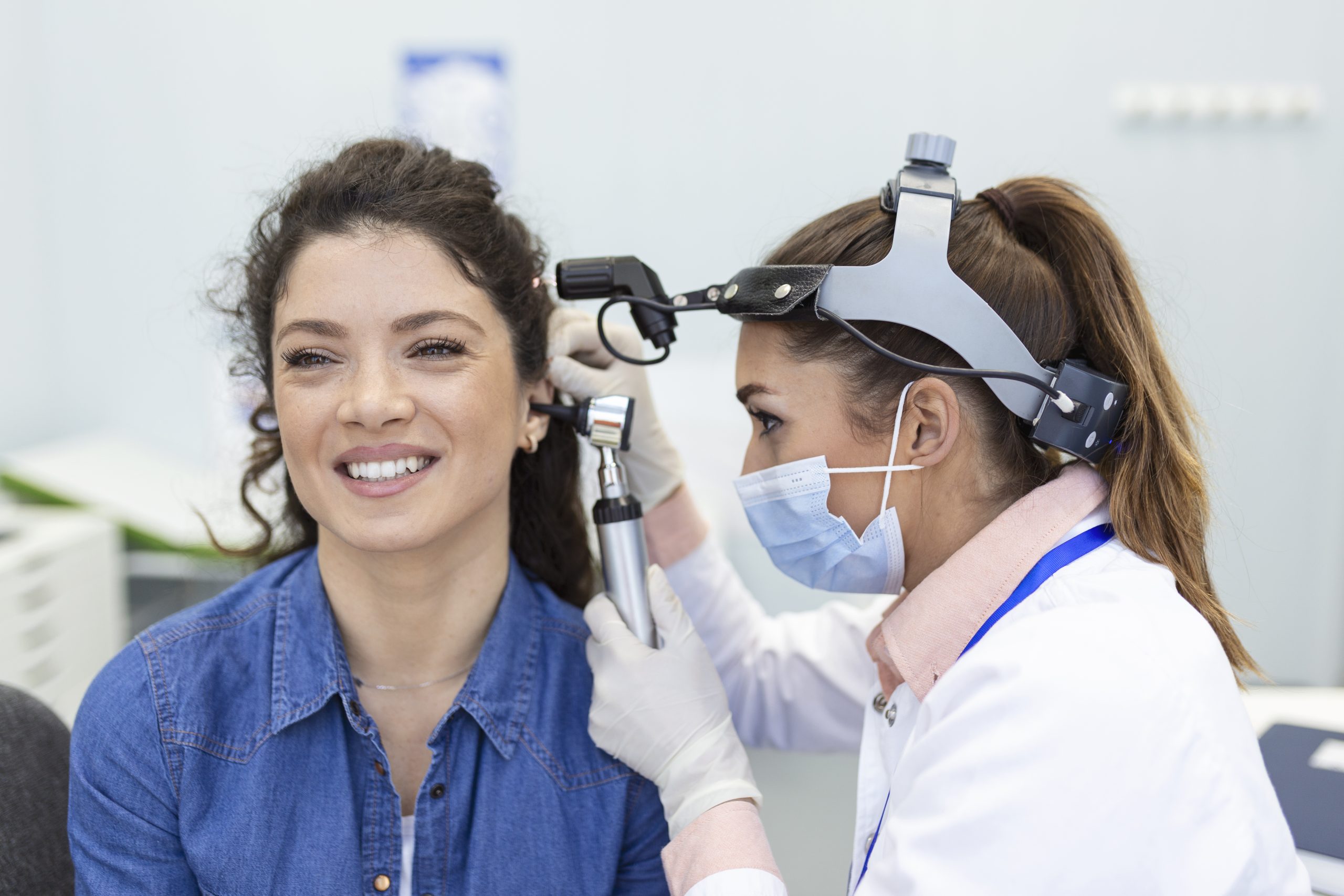
Safe Removal of Wax: Excess wax is securely and painlessly removed by qualified hearing specialists using certain tools and methods. This guarantees complete cleansing and reduces the possibility of harm.
Improved Performance of Hearing Aids: Hearing aids function best when wax blockages are removed. Users frequently report immediate improvements in overall hearing quality and sound clarity.
Enhanced Comfort: In the ear canal, excess earwax can cause pressure, irritation, and discomfort. Wearing hearing aids becomes more pleasurable and comfortable after professional cleaning.
Early Identification of Ear Issues: Hearing specialists can detect symptoms of infection, inflammation, or other issues that may need medical attention during a professional ear check.
Tailored Hearing Services: Frequent appointments provide an opportunity to discuss device performance, changes in hearing, and ongoing hearing health needs.
Earwax Removal and Hearing Aid Maintenance
How frequently should I shave my ears? Individuals produce different amounts of wax at different rates. Some people may only need occasional visits to a hearing specialist for earwax removal, while others may need frequent visits to manage their earwax. Your hearing care specialist will discuss the frequency of your upcoming appointments with you.
Tips for Hearing Aids Maintenance
Skincare products that relieve ear pain: To avoid ear dryness and irritation caused by hearing aids, most skincare gels are dermo-protective. Additionally, they make it easier and more comfortable to insert and use your devices throughout the day.
Natural lubricants to relieve ear pain: These can be as natural as almond oil and facilitate the insertion and removal of your hearing aids. They alleviate irritation or dryness caused by wearing hearing aids.
To clean the ears, use ear spray: A lot of ear sprays use isotonic solutions with surfactants to get rid of dirt and earwax. Additionally, they can help reduce inflammation after using hearing aids.
These are maintenance tips for cleaning hearing aids.
How often should Hearing Aid Users have Their Ears Checked?
Individual factors, including earwax production, hearing aid use, and overall ear health, determine the frequency of ear exams. While some people who produce excessive amounts of wax may benefit from more frequent visits, others may only require annual examinations. Make an appointment right away if you have persistent wax blockages, discomfort, or abrupt changes in your hearing! Based on your unique requirements, a hearing care specialist can suggest a suitable regimen.
Signs You May Need Professional Earwax Removal
- The sound of hearing aids is weaker than usual.
- Muffled speech sounds
- Regular complaint or whistling
- A feeling that the ears are full
- Itching or soreness in the ears
- Abrupt loss of hearing
- Wax buildup that is seen around hearing aids
Supporting Long-Term Hearing Health
Anyone who wears hearing aids must keep their ears healthy. Better hearing outcomes result from timely earwax removal, proper device care, and routine hearing exams. Ongoing assistance, such as hearing assessments, device fittings, and routine maintenance, can be helpful for anyone looking for high-quality hearing aids in Waco.
The health of the ears that use the devices is just as important to comprehensive hearing care as the equipment itself. Hearing aid users can reduce disturbances, increase comfort, and benefit from improved communication in daily life by staying alert to ear health.
Trust Roger Clark Hearing for Healthier Ears and Better Hearing
To preserve hearing health, enhance hearing aid performance, and avoid unnecessary discomfort, professional earwax removal is essential. Professional ear care, when combined with routine maintenance and cleaning, enables hearing aid users to experience clearer, more reliable hearing every day. To help patients maintain healthy hearing and maximize the benefits of their hearing solutions, Roger Clark Hearing offers professional assistance.