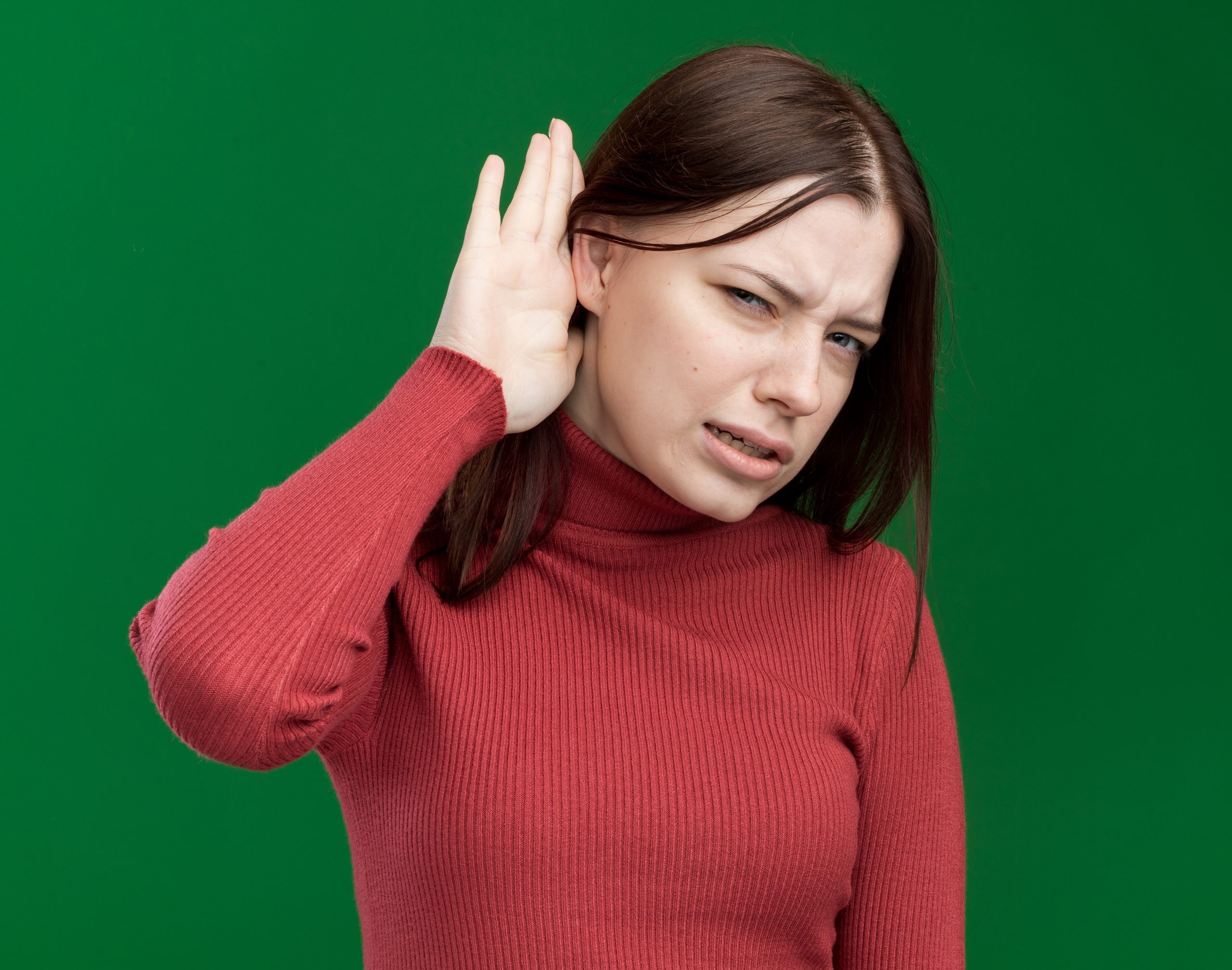
A person’s degree of hearing loss can vary. When a person has profound hearing loss, they are unable to perceive sounds below 90 db. To put it another way, they can’t hear someone yelling at them from across the room or a loud television. In such cases, hearing aids for profound hearing loss may help amplify sounds and improve communication, depending on the individual’s hearing needs and overall hearing health.
Profound hearing loss can occur for several causes. Many individuals with the illness are born with hearing loss, while some get it later in life as a result of an injury or infection.
What is Profound Hearing Loss?
You have very little or no hearing if you have profound hearing loss, which makes it nearly impossible to hear normal sounds. Genetics, disease, trauma, or just aging can all contribute to it. Hearing aids make it simpler to live with substantial hearing loss. For prompt treatment and a better result, early diagnosis through testing is crucial.
Can People with Profound Hearing Loss Use Hearing Aids?
It’s a common misconception that those with severe hearing loss cannot use hearing aids. It turns out that almost all major hearing aid manufacturers offer a version of their devices for those who often have trouble hearing sounds above 90 db. For many individuals, finding the best hearing aid for profoundly deaf users depends on their specific hearing needs and lifestyle. These power or super-power models offer many of the same features as standard hearing aids, except they are somewhat larger.
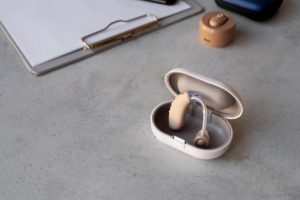
Because they must be louder, profoundly deaf people require larger hearing aids. Both the speaker unit and the battery must be larger to supply the additional energy required to produce a louder sound. For people with hearing loss, behind-the-ear (BTE) hearing aids are most commonly recommended because they are larger and can accommodate all the technology needed to restore hearing.
How do Hearing Aids Help?
Enhanced Daily Listening Ease
Having two hearing aids will make it easier for you to hear and listen. As listening decreases with hearing aid amplification, your vitality increases. This also helps answer the common question: Can deaf people hear with hearing aids? Many individuals with significant hearing loss can benefit from appropriately fitted hearing devices. It will be simpler to watch TV or converse with loved ones, and you’ll be able to hear sounds you might not have heard in a while, such as birdsong or footsteps.
Enhancing Connections
With the advent of hearing aids, people can now hear their loved ones again, and daily tasks and conversations are much easier. Hearing loss frequently affects not only the individual with hearing loss but also their friends and family. It could be more difficult to communicate if you have to constantly be face-to-face with others or ask them to repeat themselves. This may lead to a greater tendency to become irritated more quickly.
Improved Hearing in Loud Environments
People who wear hearing aids will be more willing to try new things since they won’t be afraid of missing what’s going on around them. People who have hearing loss frequently experience isolation. They often begin to modify their social lives to avoid social events or get-togethers where background noise makes it hard to hear. Following a hearing test in Waco, TX, a hearing aid specialist can recommend solutions that match an individual’s specific hearing needs. The technology for hearing aids has advanced to the point where they can now adjust to various settings, making it easier to hear in a noisy restaurant.
Features Commonly Recommended for Profound Hearing Loss
Feedback Control: Receiving too much feedback can be uncomfortable and unpleasant. Look for products from reliable producers that have strong feedback control systems.
Telecoil: A telecoil is a function that lets you use your assistive hearing equipment as an in-ear speaker instead of using the microphone. There is no chance of feedback because many phones, TVs, and public areas may digitally stream sounds to your hearing aid.
Support for Numerous Microphones: At the Central Texas Hearing Center, patients can explore hearing aid equipment with multiple microphones that help determine the direction of sound. Some hearing aids come with multiple microphones that help you determine the direction of sound. Similar to how people naturally have directional hearing, these microphones provide directionality by picking up and translating sounds at different moments.
Hearing Care at Roger Clark Hearing Centers
Missing out doesn’t have to result from severe or profound hearing loss. Every day, you may improve both your hearing and your mood with the correct hearing aid. Improved hearing enables you to re-establish connections with the people and times that are important to you.
Don’t wait, then! Make an appointment for a consultation with a hearing aids specialist at Roger Clark Hearing, explore the benefits of hearing aids for profound hearing loss, test out a device, and witness the difference for yourself because being a part of life makes it sound better!
FAQ
How can I determine whether I require hearing aids?
Many people with hearing loss initially do not notice that they are asking friends and relatives to repeat things more often or that they perceive others muttering in their immediate area. The first step in treatment is to have your hearing assessed. To confirm whether you have hearing loss and whether you may benefit from amplification, a hearing care specialist will test your hearing.
Will I be able to hear normally again with a hearing aid?
Hearing aids can greatly facilitate speech comprehension. They do not, however, restore your ear to normal function.
What is the lifespan of my hearing aid?
A hearing aid has a 5 to 7-year lifespan. To ensure your hearing aid is functioning properly, it’s critical to schedule routine appointments. Additionally, hearing aid warranties usually last 2 to 3 years and cover both replacement and repair. After 7 years, many hearing aids are still in good working order, while others might require replacement, repair, or reprogramming.
Do special batteries power hearing aids?
Patients can use the charger that comes with rechargeable hearing aids to charge them overnight by plugging it into an outlet or a USB port. Most pharmacies, supermarkets, and online retailers sell disposable batteries for models that require them.
What is the lifespan of hearing aid batteries?
The kind of battery and the number of hours you wear your hearing aid each day will determine this. Larger hearing aid batteries can last up to 10days, but smaller ones need to be replaced every 3 to 7 days.