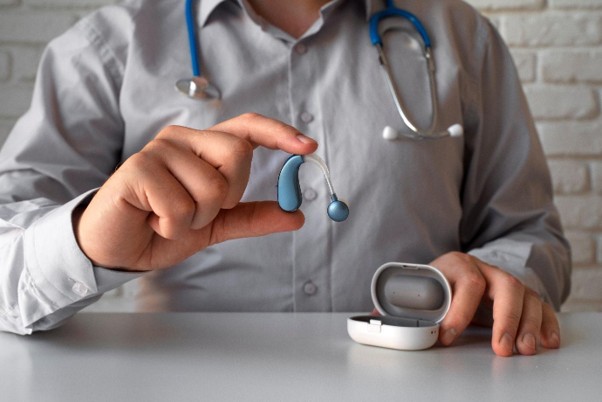
You might not think about your hearing aids very often, and that’s actually a good thing. Once they become a natural part of your daily life, they’re doing exactly what they’re meant to do—enhancing sounds and helping you stay connected to the world around you. Like any electronic device, however, hearing aids can occasionally experience problems or stop working properly.
We recommend against disassembling your hearing aids or attempting significant hearing aid repair yourself. Here are some specific issues with hearing aids and how to solve them.
Why Hearing Aid Maintenance Matters
There are several reasons why maintaining hearing aids is crucial. First, as hearing aids are worn in your ear and can sometimes enter your ear canal, they need to be kept clean to remain healthy. Your skin’s oil, hair, and earwax may wind up covering the hearing aid itself, possibly penetrating its internal components, or preventing it from functioning.
Additionally, everyday life and general exposure to the weather can make clothing less hygienic, which is why care is crucial. However, even with the best care, the gadget may still need repair or replacement, so cleaning is not the only thing that matters.
Common Hearing Aid Problems and Their Causes
Dim or Absence of Sound
Lack of sound production is one of the most common issues with hearing aids. Dead batteries, blocked wax filters, obstructed microphones, or moisture inside the device are frequently the source of this problem. You can avoid this issue and maintain your hearing aid’s proper operation by performing routine cleaning and promptly replacing the battery. Seeking hearing aid emergency repair services can help you promptly locate and fix the underlying issue and restore your device’s functionality if the issue still exists after doing these steps.
Feedback or Whistling
Feedback is a high-pitched whistling sound that typically results from an improperly fitted hearing aid. Feedback can also be caused by high volume, a loose-fitting device, or earwax accumulation. You can lessen this problem by making sure your ears fit properly and by keeping them clean.
Irregular or Distorted Sound
Moisture damage, loose battery contacts, or broken internal components could be the source of sounds that become confused, distorted, or cut in and out. Before these problems worsen, professional servicing can identify and fix them.
Types of Hearing Aid Repairs
Sound Problems
Repairing a faulty microphone is one of the most common hearing aid repairs. A malfunctioning microphone can cause issues with sound quality or volume, affecting the device’s effectiveness. In some cases, excessive earwax buildup may also affect microphone performance, making earwax removal an important part of maintaining optimal hearing aid function. You need an audiologist or hearing aid specialist to fix your hearing aid microphones because they are extremely small, intricate electronic components.
Moisture Entering a Hearing Aid
Generally speaking, moisture and electrical gadgets don’t get along, and hearing aids are no exception. In fact, you must keep your hearing aids away from moisture whenever possible, especially during swimming, bathing, and cleaning, unless they are waterproof. There are two options to consider if your hearing aid has absorbed moisture, both of which involve seeing a hearing care specialist.
Tubing Issues
Tubing connects the earmold to the device in behind-the-ear (BTE) hearing aids. It is frequently necessary to replace this tubing since it can stretch, crack, or lose its flexibility. The good news is that your hearing aid specialist can quickly and easily complete this task for you. During a routine appointment or a hearing test in Waco, TX, your hearing care professional also inspects the tubing and other hearing aid components to ensure your device continues to perform at its best.
Earmold’s Deterioration
The device is housed and positioned in the ear in hearing aid types such as in-the-ear (ITE) and in-the-canal (ITC). For each person to fit and function properly, these earmolds must be custom-made. Unfortunately, earmolds can deteriorate and change shape over time, making them uncomfortable and increasing the likelihood of misplacing your device. To address this problem, your audiologist or hearing aid specialist can treat your ear and make a new, better-fitting earmold for you.
Tips to Prevent Future Hearing Aid Problems
Take Good Care of Them
You must take care of your hearing aids by keeping them clean and protecting them. Maintaining the cleanliness of your hearing aids is crucial to their continued functionality. It’s crucial to clear any debris or earwax from your hearing aids to prevent blockages and damage to the microphone or ports.
Steer Clear of Moisture and Water
Most hearing aids are not designed to withstand water contact. Water and excessive moisture can seriously damage your hearing aids, necessitating replacement or repair. Before bathing, showering, or swimming, you should always take off your hearing aids.
When not in Use, Store Them Securely
It’s critical to store hearing aids securely after removing them. When you are not wearing your hearing aids, they are far more likely to be damaged. Storing them securely should minimize the need for repairs.
When should I Replace My Hearing Aids Rather Than Repair Them?
Broken Hearing Aids
This is undoubtedly one of the main reasons why patients choose to replace their hearing aids. These devices, which are incredible pieces of technology with intricate parts and come in various forms, are frequently submitted to audiologists or hearing aid specialists for maintenance. Before contacting a hearing aid specialist, you might be able to perform some do-it-yourself troubleshooting if a hearing aid is not working properly.
Over Five Years of Hearing Aids
As they are typically worn every day, hearing aids are highly prone to deterioration. Even when you maintain your gadget properly, exposure to moisture and earwax can still have negative consequences.
Significant Lifestyle Shifts
Your lifestyle at the time was one of the factors considered when choosing the type or style of hearing aids during your appointment. A lifestyle change is a sufficient justification for purchasing new hearing aids. For instance, if you are now hiking more often, you will need a new hearing aid that can withstand the demands of hiking. Similarly, if you recently acquired a new electronic device that is incompatible with your hearing aid, you will require a new hearing aid that is compatible.
Visit Roger Clark Hearing to have Your Hearing Aids Examined.
Make sure your team at Roger Clark Hearing Centers in Waco examines your hearing aids as soon as possible if you are experiencing issues. Many problems are easily fixed, and if you have a major issue with your hearing aid, it’s crucial to get it checked out right away to make sure you’re not putting your hearing at greater risk.
Roger Clark Hearing is the top private provider of hearing care solutions in Waco, TX. We would be happy to help you with hearing aid repair and select the best hearing aids. Visit our clinic or get in touch with Roger Clark Hearing online right now!