Hearing loss may have a major effect on brain health in addition to being a communication problem. Early intervention is more crucial than ever because research indicates that untreated hearing loss is linked to an increased risk of dementia and cognitive decline. This has led to an increase in interest in the relationship between hearing aids and dementia since research suggests that well-fitting hearing aids can maintain brain activity by enhancing communication and lowering social isolation. In this blog, we’ll discuss the research underlying this relationship, how hearing aids may enhance cognitive function, and why preserving your hearing might improve your overall well-being.
What is the Link between Hearing Loss and Cognitive Decline?
For a long time, and even now, researchers have been trying to establish clear links between hearing loss and other illnesses. The part that hearing loss plays in dementia is one area of investigation. Adults with mild hearing loss are more likely to experience dementia symptoms, and those with severe hearing loss are five times more likely to receive a diagnosis.
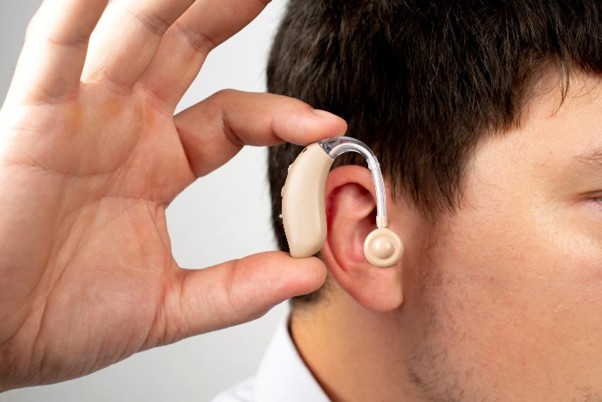
Furthermore, research has suggested a connection between hearing loss and cognitive deterioration. As the brain is so important for hearing and understanding, having to work harder to transcribe information can be physically damaging to the brain. While many people ask, do hearing aids prevent dementia, current evidence suggests they do not prevent it, but may help reduce the risk of cognitive decline by improving hearing and keeping the brain engaged. By focusing and filtering sound into the ear canal so it can travel to the brain via the cochlear nerve, hearing aids can be helpful.
In addition to cognitive deterioration, hearing loss is associated with anxiety, sadness, social isolation, and impaired balance. However, many people choose not to have their hearing checked because they fear needing a hearing aid. Whether wearing correctly fitted hearing aids can reduce the incidence of dementia or delay its development is still up for debate.
Why Hearing Loss May Increase Dementia Risk
Enhanced Cognitive Effort: The brain has to work harder to comprehend speech and common sounds when hearing loss occurs. If you have ever wondered if there is any connection between hearing loss and dementia, research suggests there is a strong association. Less mental capacity may be available for learning, remembering, and problem-solving due to this increased effort.
Isolation from Society: Due to communication difficulties, people with hearing loss often avoid social situations and conversations. Loneliness and depression, which are linked to an increased risk of cognitive decline, can result from decreased social engagement.
Decreased Brain Activation: For the brain’s hearing and language-processing areas to remain active, regular auditory input is necessary. These brain areas may eventually become less effective as auditory input declines as a result of hearing loss, which could have an impact on general cognitive performance.
How Hearing Aids May Help Protect Brain Health
We use both our ears and our brains to hear. Hearing devices can help by preventing the reorganization of brain connections that occurs with hearing loss. Hearing aids can help reorganize the brain’s sound center, so it responds to sound signals correctly by filling in gaps and providing stimulation that would otherwise be lacking. If you have noticed changes in your hearing, scheduling a hearing test in Waco, TX, is an important first step toward identifying hearing loss early and receiving the appropriate treatment to support both your hearing and cognitive health.
Wearing hearing aids may be a crucial strategy to stop cognitive decline as we approach middle age by preventing brain damage. Early hearing loss screening programs and yearly hearing examinations for people could have a big impact on delaying the start of dementia. Additionally, it has been demonstrated that using hearing aids enhances memory, facilitates social interaction, and encourages physical activity—all crucial countermeasures in the battle against dementia, including Alzheimer’s.
What Research Says about Hearing Aids and Dementia
To treat hearing loss, one type of device is a hearing aid. According to recent research, using properly fitting hearing aids reduces the likelihood of cognitive decline in individuals at higher risk of dementia, compared with those at risk who do not use hearing aids. In addition to hearing aids, seeking appropriate tinnitus treatment can also improve overall hearing health and quality of life for individuals experiencing persistent ringing or buzzing in the ears. Treating hearing loss may have a beneficial effect on dementia risk and possibly on the rate of cognitive decline, especially for at-risk individuals, according to an ongoing study.
It is well recognized that well-fitted hearing aids minimize listening effort, freeing up more mental resources for other tasks. Additionally, hearing aids can re-stimulate brain areas that have been neglected due to hearing loss. Last but not least, social communication is known to be enhanced by hearing aids. It is advised to obtain a hearing evaluation and talk with an audiologist or hearing care specialist about treatment options if someone thinks they may have hearing loss.
How to Reduce the Risk of Dementia
Early Treatment of Hearing Loss: One modifiable risk factor for dementia is untreated hearing loss. It is possible to lessen listening strain, enhance communication, and maintain brain activity by scheduling routine hearing examinations and wearing hearing aids when advised. If you are looking for trusted Waco audiology services, partnering with experienced hearing professionals at Roger Clark Hearing Centers can help you detect hearing loss early and receive personalized treatment to support both your hearing and cognitive health.
Maintain Your Social and Physical Activity: Frequent exercise increases blood flow to the brain, and maintaining social connections supports mental clarity, emotional stability, and memory. Engaging in discussions, pastimes, and neighborhood events offers beneficial brain stimulation.
Encourage General Brain Health: Maintain a healthy diet, get enough sleep, manage long-term conditions like diabetes and high blood pressure, and challenge your mind by reading, solving puzzles, or learning new skills. When combined, these lifestyle decisions can support both good aging and cognitive function.
How Roger Clark Hearing Center Supports Better Hearing Health
At Roger Clark Hearing, we approach hearing health from a comprehensive, person-centered perspective. We provide:
- Individualized diagnostics and evaluations of hearing
- Modern technologies and hearing aids
- Continued education, lifestyle counselling, and aftercare
Roger Clark Hearing – Protect Your Hearing, Protect Your Future
While hearing aids are not a cure for dementia, they may play an important role in supporting long-term brain health by improving communication, encouraging social engagement, and reducing the mental strain caused by untreated hearing loss. Addressing hearing loss early can help you stay connected with loved ones and maintain an active, independent lifestyle. If you’ve noticed changes in your hearing, don’t delay seeking professional advice.
A comprehensive hearing evaluation and the right hearing solution can make a meaningful difference. Taking care of your hearing today is a proactive step toward protecting both your quality of life and your cognitive well-being.