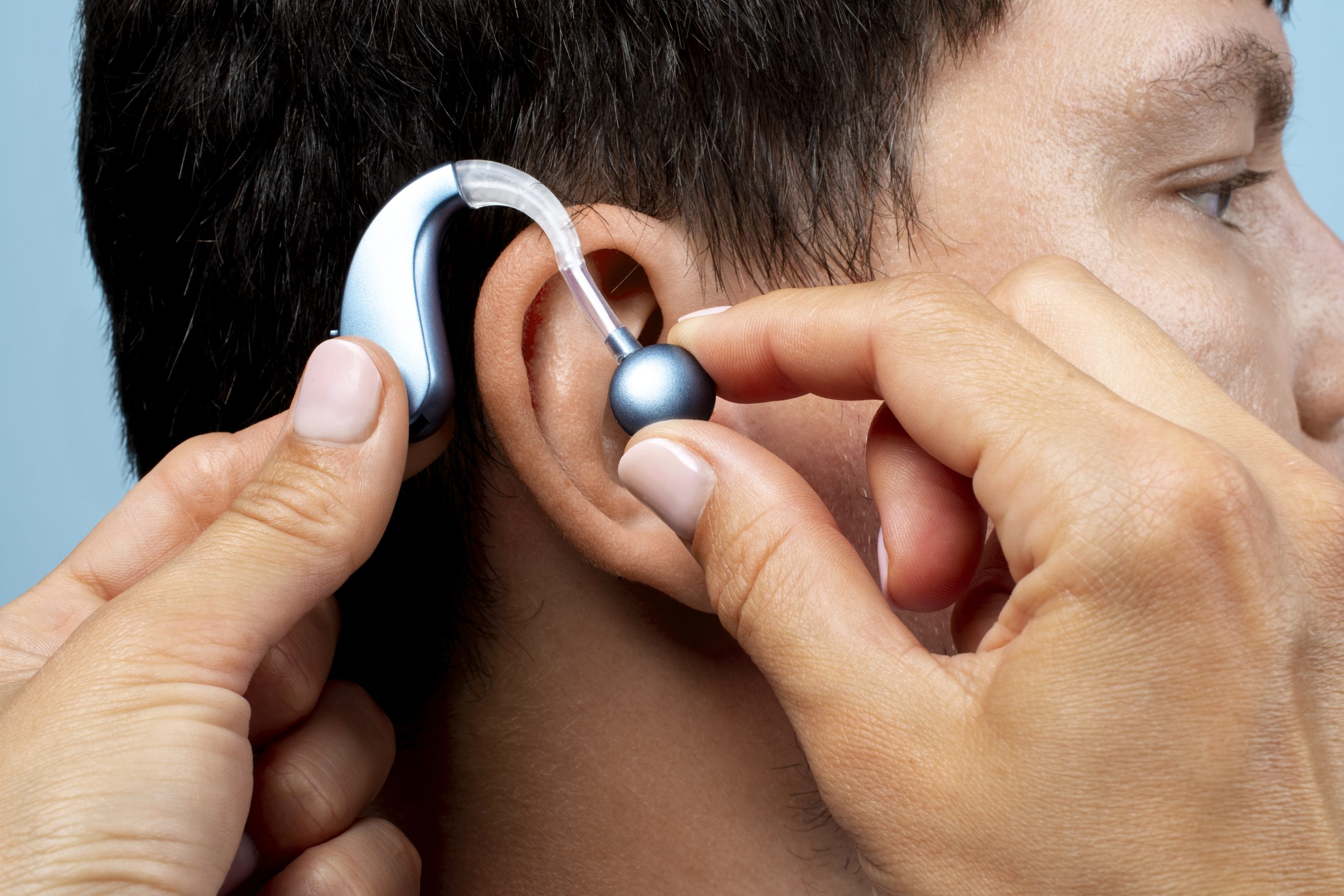
A well-fitting hearing aid should be safe, cozy, and simple to wear all day. Your Hearing aids are not fitting correctly if they feel loose, slide out, hurt, or put pressure on your ears. When wearing a hearing aid for the first time, many individuals feel that discomfort is normal.
However, persistent pain or irritation is typically an indication that something needs to be adjusted. Your ability to hear well, participate in conversations, and wear your device with confidence can all be negatively impacted when poorly fitting hearing aids become a regular problem. Feedback sounds, ear pain, and annoyance can also result from poorly fitting hearing aids.
The first step in resolving the problem is to figure out why the hearing aids are not fitting correctly. To help you achieve a more comfortable fit, we describe common warning signs, potential reasons, and practical solutions in this blog.
Signs Your Hearing Aids Don’t Fit Properly
Many individuals are curious about how hearing aids should fit. To prevent pinching, slippage, or pressure points, a hearing aid should fit firmly in or behind the ear. Walking, chatting, eating, and turning your head are examples of daily tasks where you should keep your head in place. Keep an eye out for these symptoms if your hearing aid is uncomfortable.
- Tenderness or pain in the ear canal
- Discomfort, redness, or itching around the ear
- The gadget regularly comes loose.
- An ear sensation of fullness or pressure
- Feedback or whistling sounds
- The device moves about, making it difficult to hear clearly
- Having trouble wearing the hearing aid for extended periods of time
- Soreness from hooks or tubing behind the ear
Some claim that “my hearing aid hurts my ear,” particularly after wearing it for a few hours. Long-term discomfort should not be ignored, even though a brief adjustment phase is typical. Your device may need to be adjusted by a specialist if it is rubbing against delicate skin or pressing too firmly into the ear canal. In a similar vein, the fit might need to be adjusted if it feels excessively loose and comes off easily.
Common Causes of Poor Hearing Aid Fit
Improper fitting of hearing aids can be an issue for several reasons. Certain causes are associated with changes in your ears over time, while others are tied to the hearing aid itself.
Inaccurate Dome Size or Ear Mold
An ear mold or dome that is too big or too small is one of the most common causes of poor fit. An overly big dome may cause discomfort, pressure, and irritation. The hearing aid may feel loose and slip out if it is too tiny.
Different sizes and designs are needed for different ear shapes. Depending on the shape of your ear canal, a hearing specialist can help determine the best fit.
Ear Shape Variations Over Time
Age, weight fluctuations, or health issues can all cause changes in your ears over time. After a few years, even a perfectly fitting hearing aid may start to feel different. Custom ear molds, which might no longer precisely fit the form of your ear canal, are particularly prone to this.
Inaccurate Location
A hearing aid may occasionally cause discomfort due to improper insertion. For both in-ear and behind-the-ear devices to be safe and function properly, proper placement is necessary. Your hearing specialist can show you how to properly insert and place your hearing aids if you’re not sure how hearing aids should fit.
Earwax
The way your hearing aid fits in your ear may be affected by excess earwax. The gadget may feel tighter than usual or be forced out of position. Additionally, wax accumulation can produce feedback sounds and obstruct sound. This problem can be avoided with routine ear care and cleansing.
Inadequately Fitted Hooks or Tubing
Too-tight or too-short tubing for behind-the-ear devices might cause discomfort around the top or back of the ear. The hearing aid may move if the tubing is excessively sloppy. To make the fit more comfortable, a hearing specialist might adjust the tubing length.
Using the Incorrect Kind of Hearing Aid
Not every lifestyle or ear shape is suitable for every type of hearing aid. While some people have trouble using behind-the-ear models, others may find in-ear gadgets uncomfortable. It can be worthwhile to talk to your hearing specialist about different styles if you continue to have fit problems.
How to Fix Hearing Aids that don’t Fit Properly
Use retention cords or hearing aid clips.
These attachments, which are made to hold your hearing aids in place, are frequently especially useful for kids and sports. To prevent them from falling to the ground if they fall out of your ears, they fasten to your hearing aids and clip onto your clothing.
Regularly clean your devices.
It’s crucial to maintain a regular cleaning schedule, and the accumulation of dust or earwax can cause hearing aids to come loose.
Make sure your ears are dry.
Moisture, whether from perspiration or rain, might make it simple for your hearing aids to fall out. Wearing a sweatband might help keep your ears dry when exercising. Additionally, you can discuss moisture-resistant hearing aids with your audiologist or hearing care specialist.
Locate Professional Assistance
When looking for hearing aids in your area, choose a company that offers follow-up appointments, adjustments, and ongoing support. The technology itself is crucial, but so is the fit. You can make sure your hearing aid is long-lasting and comfortable by working with a qualified hearing specialist.
When to Book an Appointment with a Hearing Specialist
- Every day, your hearing aid hurts.
- The gadget usually falls out.
- You observe ear sores, swelling, or redness.
- Even after cleaning, feedback or whistling persists.
- You are having trouble installing the device correctly.
- Since your last fitting, your hearing has changed.
It’s crucial to get help right away if you frequently believe, “My hearing aid hurts my ear.” In addition to making it more difficult to hear clearly, a poorly fitting hearing aid may prevent you from wearing it. In most cases, expert modifications can promptly resolve the issue and restore ease.
Roger Clark Hearing – A Guide to Comfortable Hearing Aid Wearing
We at Roger Clark Hearing understand how annoying it can be when your hearing aids are not fitting correctly. Our staff is dedicated to helping you find a secure, comfortable solution that fits your lifestyle and hearing needs. We can assist you if you require a small adjustment, a new ear mold, or guidance on using your hearing aid more effectively. Roger Clark Hearing Centers can offer professional advice and individualized care if you’re seeking reliable assistance or hearing aids in your area.
FAQ
- How do hearing aids fit?
Without creating discomfort, pressure, or slippage, hearing aids should feel snug and secure. Throughout the day, they ought to remain in a comfortable position.
- Why is my ear hurting from my hearing aid?
If the dome, mold, or tubing on your hearing aid is the incorrect size, it could cause pain. Incorrect positioning can also occur.
- Can earwax cause discomfort when wearing hearing aids?
Indeed, the way hearing aids fit in the ear can be impacted by earwax. It could result in feedback, lower sound quality, and pressure.
- If my hearing aid continues slipping out, what should I do?
You could require a larger dome, a custom mold, or an adjustment from a hearing specialist if your hearing aid falls out frequently.
- How frequently should one adjust their hearing aids?
Checking your hearing aids regularly is important, particularly if they start to feel loose or uncomfortable, or if your hearing changes over time.