In daily life, hearing is highly important. It enables you to listen to music, have conversations, stay in touch with relatives, and stay conscious of your surroundings. Communication, self-assurance, and general quality of life can all be impacted when hearing begins to deteriorate in both ears. Bilateral hearing loss is the term for this condition.
At first, many people notice minor differences, such as having to ask others to repeat themselves or turning up the TV volume more than usual. These minor symptoms may eventually become more apparent and begin to interfere with day-to-day activities. Better hearing care begins with an understanding of bilateral hearing loss. People with bilateral hearing loss can maintain a more active lifestyle and improve their hearing with the correct diagnosis, treatment, and support.
What is Bilateral Hearing Loss?
If you’ve ever wondered what bilateral hearing loss is, it’s just hearing loss that affects both ears. Each ear may have the same degree of hearing loss, or one ear may be more severely affected than the other. The severity of bilateral hearing loss can vary from minor to severe. While some people may have trouble understanding speech even in quiet settings, others may have trouble hearing soft sounds.
Bilateral hearing loss comes in various forms, such as:
- Damage to the inner ear or hearing nerve results in sensorineural hearing loss.
- Conductive hearing loss is the result of improper sound transmission in the middle or outer ear.
- Combining sensorineural and conductive hearing loss is known as mixed hearing loss.
Hearing aids for mixed hearing loss may be recommended as part of a therapy plan. These gadgets can facilitate conversation and enhance sound quality. Compared to hearing loss in one ear, bilateral hearing loss often has a greater impact on speech comprehension, sound localization, and balance because it affects both ears.
Common Causes of Bilateral Hearing Loss
Bilateral hearing loss can happen for a variety of causes. Sometimes it takes a long time to develop. Others may experience it abruptly as a result of disease, trauma, or other health issues.
Aging: One of the most frequent causes of bilateral hearing loss is age-related hearing loss. The microscopic structures in the inner ear may deteriorate with age, making clear hearing more difficult.
Noise Exposure: Hearing in both ears can be harmed by prolonged exposure to loud noise. This includes noise from firearms, concerts, power tools, machinery, and loud music played through headphones.
Ear Infections: Hearing loss can occasionally result from recurrent ear infections, particularly if they are not appropriately managed. Both ears may be impacted by persistent infections, which can cause long-term harm.
Genetics: Some people have hearing loss from birth, or develop it due to genetic disorders. Bilateral hearing loss may be more likely if hearing issues run in the family.
Medical Conditions: Hearing loss in both ears can be caused by certain medical problems. These could consist of:
- Diabetes
- High blood pressure
- Heart disease
- Autoimmune disorders
- Viral infections
Ototoxic Medications: One of the negative effects of several drugs is hearing impairment. These are referred to as ototoxic medications and can include high doses of aspirin, chemotherapeutic agents, and some antibiotics.
Head Injuries: Hearing issues in one or both ears might result from head trauma that damages the ear’s structures. Early detection is crucial regardless of the reason. Early detection of hearing loss can improve treatment outcomes and stop further deterioration.
Symptoms of Bilateral Hearing Loss
It can be challenging to recognize the signs of hearing loss because it often develops gradually. Even if you just perceive the smallest indications of hearing loss, it is still worthwhile to consult a specialist. Being proactive will enable you to get an accurate diagnosis as soon as possible, allowing you to seek treatment if needed. Any identifiable symptoms may indicate a slight, moderate, severe, or profound hearing loss.
Typical signs of hearing loss include:
- Inability to comprehend people, particularly in noisy settings
- Increasing the TV’s volume above normal
- Requesting that people repeat themselves
- Using lip reading to decipher what others are saying
Additionally, because sounds will be louder in one ear than the other, unilateral hearing loss is usually easier to detect. When sound is often harder to hear in both ears, bilateral hearing loss can be diagnosed.
Diagnosis and Hearing Tests
The best method to verify bilateral hearing loss is through a professional evaluation. The kind, severity, and source of hearing issues can all be determined with a thorough hearing evaluation.
A hearing care specialist may do the following during a visit:
- Examine your medical background.
- Enquire about lifestyle variables and symptoms.
- Check for obstructions or indications of infection in your ears.
- Conduct a hearing test.
- Assess your comprehension of speech.
- Look for problems with your balance or inner ears.
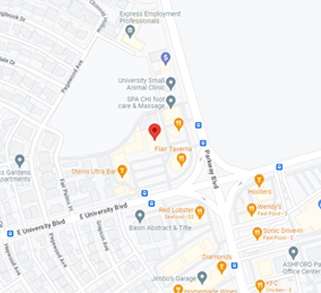
A hearing test is easy, painless, and gives you vital information about the state of your hearing. It can determine whether hearing loss affects one or both ears and help in treatment. Residents can benefit from scheduling a routine hearing test in Waco, TX, particularly if they are over 50 or have been exposed to noisy environments. Finding the best course of action for your hearing issues can be greatly aided by consulting with a qualified hearing care specialist or audiologist in Waco, TX.
Treatment Options for Bilateral Hearing Loss
Bilateral hearing loss can be treated in several ways. The kind and severity of the problem determine the appropriate course of action.
Hearing Aids
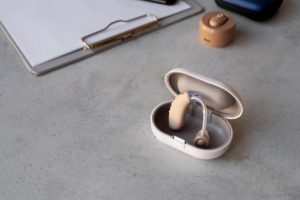
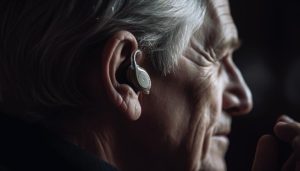
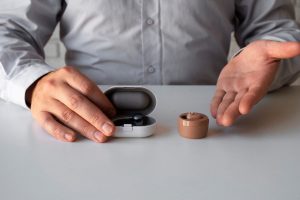
One of the most popular treatments for bilateral hearing loss is hearing aids. They enhance both ears’ comprehension of speech by amplifying sounds. Hearing devices designed to address both conductive and sensorineural components may be helpful for people with mixed hearing loss. Speech clarity, sound balance, and a more natural listening experience can all be enhanced by wearing hearing aids in both ears.
Medical Treatment
Medical intervention may help restore hearing if an infection, earwax blockage, or fluid accumulation is the cause of hearing loss. Medication, ear cleaning, and other minor procedures could fall under this category.
Surgery
Surgery may be necessary for certain types of conductive or mixed hearing loss. Procedures may enhance sound transmission or aid in restoring damaged ear structures.
Cochlear Implants
Cochlear implants may be an option for those with profound or severe hearing loss who do not get enough benefit from hearing aids. These gadgets deliver signals directly to the hearing nerve, bypassing damaged areas of the ear.
Hearing Rehabilitation
In addition to medical care and technology, hearing rehabilitation can help individuals adjust to changes in their hearing. This could consist of:
- Communication strategies
- Speech reading techniques
- Auditory training
- Counseling and support
Which devices and treatment choices are best for your lifestyle and hearing goals can be determined with the assistance of a hearing aid specialist.
Better Hearing Starts with Roger Clark Hearing Centers
Although having bilateral hearing loss might be annoying, it can be greatly improved with the correct support. Improved communication and confidence restoration can be achieved with early diagnosis, consistent hearing care, and the appropriate treatment strategy. Roger Clark Hearing Centers is available to assist residents who need a reliable hearing test in Waco, TX, guidance from a skilled hearing care specialist, or advice on hearing aids.
Early indicators of hearing loss should not be ignored. Make an appointment with Roger Clark Hearing Centers right now to start along the path to improved hearing and a higher standard of living.