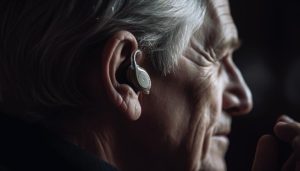
When you hear ringing or other sounds in one or both of your ears, you have tinnitus. When you have tinnitus, you don’t hear any outside noise, and most people can’t hear it either. Tinnitus is a prevalent issue. It affects people, and older adults are more likely to experience it.
An underlying illness, such as age-related hearing loss, an ear injury, or a circulatory system issue, is typically the cause of tinnitus. Treatment for the underlying cause or other therapies that reduce or mask the noise can help many people with tinnitus by making it less obvious.
What Is Tinnitus?
The perception of sound without an external source is known as tinnitus. One or both ears may pick up the sound, or it may appear to come from inside the head. Its volume and pitch may change, and it may be continuous or broken.
Typical tinnitus noises consist of:
- Ringing
- Buzzing
- Humming
- Clicking
- Roaring
- Hissing
- Whistling
For some, tinnitus is just a minor discomfort. Others may find it difficult to focus, sleep, work, and enjoy life in general. Although tinnitus affects people of all ages, it is more prevalent with age and in people with hearing problems.
Common Causes of Tinnitus
There are several potential causes of tinnitus, and determining the underlying cause is crucial for effective treatment.
Hearing Loss
Age-related hearing loss is one of the most frequent causes of tinnitus. The brain may produce phantom noises to compensate for the deterioration or injury of the inner ear’s sensitive hair cells. Even if they are not immediately aware of it, many people with tinnitus also have some degree of hearing loss.
Exposure to Loud Noise
Regular exposure to loud noises can cause tinnitus and harm the inner ear.
Typical sources consist of:
- Concerts and live events
- Power tools
- Construction equipment
- Firearms
- Personal audio devices at high volume
Tinnitus symptoms can be either temporary or persistent, even after a single exposure to very loud noise.
Earwax Blockage
A buildup of earwax can obstruct the ear canal and impair hearing. Impacted wax can occasionally cause tinnitus that resolves after the obstruction is expertly cleared.
Ear Infections and Medical Conditions
Tinnitus can result from several ear-related medical disorders, such as:
- Middle ear infections
- Fluid buildup in the ear
- Eustachian tube dysfunction
- Meniere’s disease
- Temporomandibular joint (TMJ) disorders
These circumstances may cause ringing or buzzing sensations by changing how sound is processed.
Medications
As a side effect, some drugs may cause or worsen tinnitus.
Examples may include:
- Certain antibiotics
- High doses of aspirin
- Some cancer medications
- Certain diuretics
Before making any modifications, consult your healthcare professional if tinnitus develops after starting a medication.
Stress and Anxiety
Although emotional stress does not always result in tinnitus, it can worsen symptoms.
Many people discover that their tinnitus is louder or lasts longer at times of:
- High stress
- Anxiety
- Fatigue
- Lack of sleep
Effective stress management may lessen the impact of tinnitus on day-to-day activities.
Head or Neck Injuries
Tinnitus can occasionally develop from trauma to the head, neck, or auditory system. To identify the underlying cause in certain circumstances, a specialized evaluation may be necessary.
When Tinnitus Becomes a Concern
After a loud event, occasional ringing is somewhat common and frequently transient. Persistent tinnitus, however, is not something to disregard.
Think about getting a professional assessment if:
- The duration of symptoms exceeds one week.
- Tinnitus interferes with sleep.
- It makes it difficult to focus or work.
- You become aware of hearing issues.
- Only one ear produces the sound.
- Sudden onset of symptoms
To find out if hearing loss or another auditory condition is causing your symptoms, a thorough hearing test in Waco, TX, can be helpful. Better management outcomes and greater peace of mind are frequently the result of early assessment.
Care and Treatment
Although there isn’t a treatment for tinnitus, there are numerous efficient ways to lessen its effects.
Hearing Evaluations: A comprehensive hearing evaluation is the first step. The identification of underlying ear disorders or hearing loss influences treatment recommendations.
Sound Therapy: Tinnitus can be less noticeable when background noise is present.
Examples include:
- White noise machines
- Soft music
- Nature sounds
- Fans or ambient sound generators
Tinnitus may become less apparent in response to these sounds, particularly in quiet settings.
Hearing Technology: Properly fitted hearing aids in Waco, TX, can help people with hearing loss both improve their hearing and reduce their awareness of tinnitus. Hearing aids can reduce internal ringing or buzzing by amplifying external sounds.
Lifestyle Modifications
Healthy behaviors could enhance symptom management:
- Defend your hearing from loud noises.
- Keep up a regular sleep routine.
- Lower your stress levels.
- Continue to be active.
- If much caffeine worsens symptoms, cut back.
Counseling and Support: Tinnitus counseling and sound-based therapies that help the brain gradually adjust to tinnitus signals can be beneficial for some people. These methods can lessen the psychological toll that chronic ailments take.
Can Tinnitus Be Prevented?
You can reduce your risk in several ways, though not all cases are preventable.
Protect Your Hearing
When in noisy surroundings like these, wear hearing protection:
- Concerts
- Sporting events
- Industrial workplaces
- Yard equipment operation
Monitor Volume Levels
Avoid extended exposure to loud sounds and keep personal listening devices at safe volume settings.
Make Time for Frequent Hearing Examinations
Regular exams of hearing can spot abnormalities before they become serious.
Preserve Your General Health
Controlling stress, blood pressure, and cardiovascular health may help maintain long-term hearing health.
Refrain from Putting Things in Your Ears
Wax can be forced deeper into the ear canal by cotton swabs and other items, which may worsen ear issues.
How Roger Clark Hearing Centers Can Help
Patients at Roger Clark Hearing receive individualized hearing care with an emphasis on identifying the underlying causes of tinnitus and hearing issues.
The group provides:
- Comprehensive hearing evaluations
- Professional hearing assessments
- Tinnitus management guidance
- Hearing protection recommendations
- Customized hearing solutions
A professional evaluation can offer helpful answers whether you’re suffering from a high-pitched beep in the ear, a continuous buzzing noise in the ear, or concerns about hearing loss. Roger Clark Hearing, a reputable Waco Hearing Center, is dedicated to helping people understand their hearing health and explore practical solutions for long-term hearing well-being.
Professional Tinnitus Treatment from Roger Clark Hearing
Although tinnitus can be annoying, the first step in managing it effectively is to understand its underlying causes. Seeking a professional evaluation can help determine the cause and point you toward the best treatments, whether you’re experiencing irregular ringing, a continuous buzzing, or changes in your hearing. Our staff at Roger Clark Hearing is committed to providing you with individualized treatment and support to safeguard your hearing health, manage tinnitus symptoms, and enhance your overall quality of life.