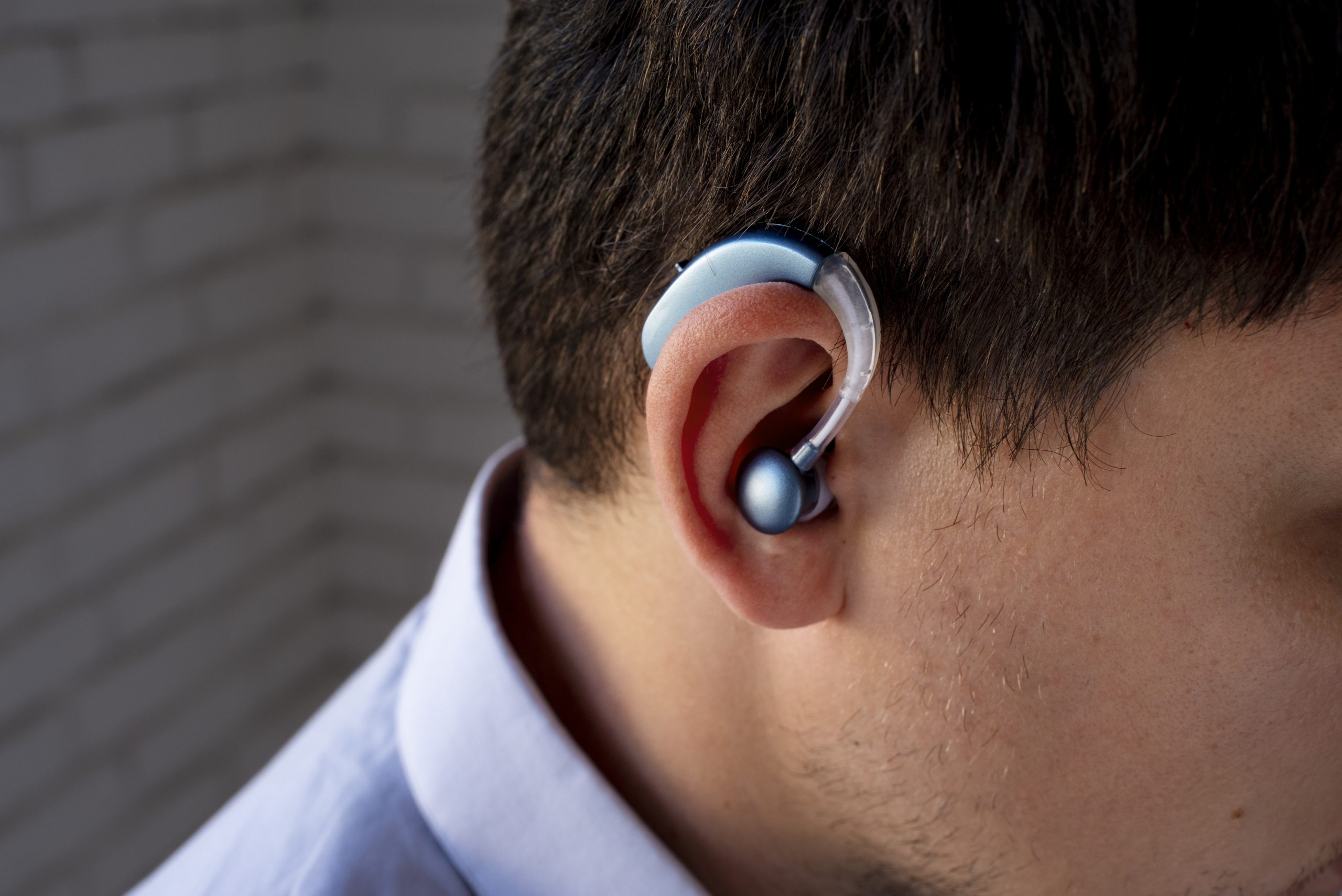
Behind-the-Ear vs In-the-Ear Hearing Aids

Behind-the-Ear vs In-the-Ear Hearing Aids – Which is Better?

It can be difficult to choose the best hearing aid, particularly when comparing in-ear and behind-the-ear models. The ideal option will depend on your lifestyle, comfort preferences, and hearing requirements. Each model has special advantages.

Understanding the distinctions is crucial, whether you’re considering hearing aids or more advanced devices for severe hearing loss. Although they differ in design, functionality, and performance, both types are intended to enhance how sound enters your ear when you wear a hearing aid. We’ll go over everything you need to know about these common types of hearing aids in this blog so that you can make an informed, confident choice.


What are Behind-the-Ear (BTE) Hearing Aids?

One of the most popular types of hearing aids is the behind-the-ear (BTE) hearing aid. These attach to a personalized earpiece or dome that fits into the ear canal and rests pleasantly behind the ear. People with mild to profound hearing loss can benefit from BTE devices because of their power and versatility.

They can support refined features, such as directional microphones, extended battery life, and improved amplification due to their larger size. The longevity of BTE hearing aids is another benefit. They are more manageable and easier to maintain, which is especially advantageous for older adults or those with dexterity issues.

Compared to smaller devices, they are also less vulnerable to moisture damage. BTE hearing aids are a great option for people seeking reliable performance and long-term comfort, particularly when paired with a professional hearing test in Waco, TX, to find the ideal fit.


What are In-the-Ear (ITE) Hearing Aids?

Custom-made devices that fit right within the outer ear are known as in-the-ear (ITE) hearing aids. These include smaller in-ear hearing aids that fit deeper into the ear canal, as well as different forms, such as full-shell and half-shell designs. The modest appearance and user-friendliness of ITE hearing aids make them appealing.

They offer a comfortable fit because they are shaped to your ear. Because the microphone is placed inside the ear, it also captures natural sound. ITE devices can support more severe hearing loss; they are often appropriate for mild-to-moderate hearing loss.

However, compared to BTE models, they may offer fewer features and shorter battery life due to their smaller size. In-ear hearing aids might be a desirable choice if you value comfort and style, particularly if a qualified hearing care specialist or audiologist in Waco, TX, recommends them.


BTE vs ITE Hearing Aids – Key Differences

Knowing the main distinctions between in-the-ear vs. behind-the-ear hearing aids will help you select the best one.

Dimensions and Exposure: BTE hearing aids are more noticeable since they are bigger and positioned behind the ear. ITE devices, on the other hand, are more sensitive because they are smaller and fit inside the ear.

Performance and Power: BTE devices are well-suited to severe hearing loss because they typically provide greater amplification. Mild-to-moderate instances are better suited for ITE devices.

Battery Life: BTE hearing aids often have longer battery life due to their larger size. Batteries for ITE devices might need to be changed more frequently.

Fit and Comfort: While BTE devices use conventional earpieces that can be adjusted for comfort, ITE hearing aids are custom-molded for a secure fit.

Maintenance: BTE devices are simpler to maintain and clean. Because ITE devices are inserted inside the ear, earwax accumulation may necessitate more regular cleaning.

Features: Because of their small size, BTE hearing aids often have more refined features. Despite having fewer options, ITE devices nevertheless provide necessary functionality.

You can better understand how each type affects your everyday experience with a hearing aid by contrasting these factors.


Which Hearing Aid is Better for You

When deciding between BTE and ITE hearing aids, there is no one-size-fits-all solution. Multiple factors determine the ideal choice.

Degree of Hearing Loss: BTE devices may be more beneficial for difficult hearing loss.

Lifestyle Requirements: People who lead active lives might favor the safe fit of ITE devices.

Aesthetic Preferences: ITE hearing aids are less obvious if discretion is needed.

Handling Ease: BTE devices are simpler to operate, particularly for people with poor dexterity.

Budget Considerations: Features and customization can affect prices.

To make the best decision, a professional assessment is essential. Making an appointment for a hearing test in Waco, TX, guarantees that you will receive recommendations that are specific to your hearing profile.


Why Professional Fitting Matters

Professional fitting is essential to the success of your hearing, regardless of the type you select. A qualified hearing care specialist audiologist in Waco, TX, can evaluate your hearing, recommend appropriate equipment, and ensure it is set up correctly for the best results.

A good fit guarantees:

  • Maximum clarity of sound
  • Wearing something comfortable all day
  • Decreased distortion or feedback
  • Enhanced comprehension of speech

Additionally, when your hearing needs change, routine follow-ups enable your hearing specialist to adjust your device. Making the most of your hearing aids requires this continuous support.


Schedule Your Hearing Aid Consultation Today

It doesn’t have to be difficult to decide between in-the-ear vs. behind-the-ear hearing aids. You can find the ideal solution for your needs with professional advice and a customized approach. Our goal at Roger Clark Hearing is to improve your hearing and give you more self-assurance.

Our staff is available to help you at any stage, whether you’re investigating your options or are prepared to update your existing equipment. Make an appointment for your consultation right now to start on the path to a more comfortable, clearer hearing! Let us help you find the ideal option for your lifestyle and hearing goals!


FAQ

BTE or ITE hearing aids – which is superior?

Depending on your hearing requirements, both choices have benefits. While ITE provides discreet comfort for mild-to-moderate hearing loss, BTE is appropriate for severe hearing loss.

Is it comfortable to wear in-ear hearing aids every day?

Indeed, in-ear hearing aids are comfortable to wear for extended periods because they are custom-fitted. However, long-term comfort and effectiveness depend on regular cleaning and maintenance.

Do BTE and ITE hearing aid models have longer lifespans?

Because of their bigger size, BTE hearing aids often have longer battery life and are more durable, making them a reliable choice for extended usage.

Can I eventually switch between ITE and BTE hearing aids?

Yes, you can change types if your hearing preferences or needs change. The best choice for you will be determined through a professional assessment.

How can I choose which hearing aid is best for me?

Finding the ideal device for your hearing loss, lifestyle, and preferences will be made easier with a thorough hearing evaluation and consultation with a hearing aid specialist.
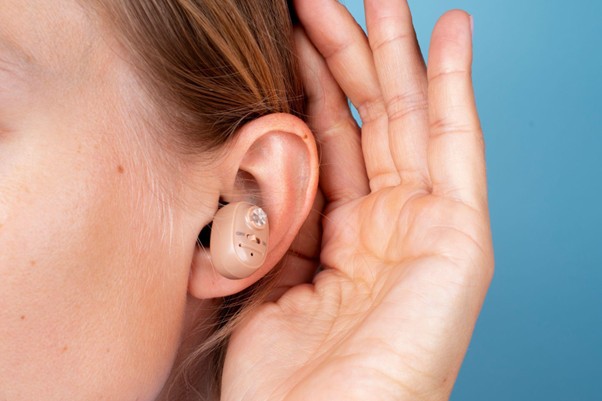

How to Insert and Remove Hearing Aids

How to Insert and Remove Hearing Aids Safely and Easily

By enabling you to hear conversations, enjoy entertainment, and maintain relationships with those around you, hearing aids can significantly improve your daily life. However, many novice users find it difficult to insert and remove their gadgets correctly. In addition to increasing comfort, mastering the proper method helps protect your hearing aids from unnecessary damage.

One of the most crucial things to learn is how to insert hearing aids in the ear canal properly. Better sound quality, less irritation, and the device’s ability to remain firmly in place throughout the day are all ensured by proper insertion. Whether you wear custom earmolds, dome-style tips, or behind-the-ear devices, following the right steps can make the process much easier. This blog will explain safe, simple methods for inserting and removing hearing aids, as well as practical tips for comfort and long-term care.


Putting in Hearing Aids – Easy Tips for a Perfect Fit

It’s crucial to get your ears and your hearing aids ready before putting them in. Your hearing aids will fit more comfortably and function better if your ears are dry and clean. Here are some useful preparation pointers.

  • Before using your hearing aids, wash and dry your hands.
  • Make sure the hearing aid is clear of debris and wax.
  • Verify that the device is completely charged or that the battery is operational.
  • If you use two hearing aids, identify the left and right ones.
  • Until you feel more at ease with the procedure, either sit or stand in front of a mirror.

A well-lit space makes it simpler for many people to put on hearing aids. If you’re new to wearing them, a mirror might help you see proper posture. Make sure the earmold or dome tip of your hearing aid is firmly in place before inserting it. It might be uncomfortable or harmful to push the hearing aid into your ear.


How to Insert Hearing Aids Safely

Properly fitting hearing aids can improve the listening experience and help avoid discomfort. The fundamental procedures are the same, though the specific steps may vary depending on your device’s design.

Step-by-Step Guide

  • Gently grasp the hearing aid with your thumb and forefinger.
  • Using your opposing hand, pull the top of your ear backward and slightly upward.
  • Place the earmold or hearing aid at the opening of your ear canal.
  • Until the gadget seems secure, gently twist or slide it into position.
  • Make sure the hearing aid is comfortable by releasing your ear.

For behind-the-ear Devices

  • The hearing aid’s main body should be positioned behind your ear.
  • Insert the earmold and tubing into the ear canal.
  • Fit should be adjusted so that it is secure but not tight.

For in-the-ear Styles

  • Make sure the gadget fits your ear canal’s form.
  • Gently and carefully insert it.
  • Ensure that it fits smoothly within the ear.

“What are the steps to insert ear inserts correctly?” is a common question from new users. The answer varies depending on the type of hearing aid you wear, but generally speaking, you should move slowly, avoid force, and make sure the device is firmly in place. During your session, your hearing care provider can show you how to safely put hearing aids in your ear canals if you are hesitant. Additionally, you might benefit from learning how to adjust your hearing aid if it doesn’t deliver clear sound or feels loose or uncomfortable.


How to Remove Hearing Aids Easily

It’s just as crucial to remove hearing aids securely as it is to place them properly. Pulling too fast or with too much force can damage your ear canal or the device.

Safe Removal Steps

  • Before taking off the hearing aid, wash and dry your hands.
  • If advised, turn off the device.
  • Take the earmold or hearing aid gently.
  • Pull outward and twist a little.
  • Carefully and slowly remove the gadget.

For Behind-the-ear Hearing Aids

  • The main body should be lifted from behind your ear.
  • Gently remove the dome or earmold from your ear canal.
  • Don’t pull on the tubing.

For In-the-ear Hearing Aids

  • If your gadget has a little removal string, use it.
  • Hold onto the hearing aid’s edge.
  • Gently twist it and draw it out slowly.

After removal, put the hearing aid in a storage case for protection. It can be shielded from moisture exposure, dust accumulation, and unintentional damage by being kept in a secure location.


Common Mistakes to Avoid

Even seasoned hearing aid users may develop habits that complicate insertion and removal. Avoiding typical blunders can enhance gadget performance and comfort.

Errors to Be Aware of

  • Putting the hearing aid in your ear by force.
  • putting the device in at the incorrect angle.
  • Touching the hearing aid with unclean hands.
  • Putting the left hearing aid in the right ear, or vice versa.
  • Ignoring symptoms of irritation or pain.
  • Pulling too forcefully when taking the gadget out.
  • Putting hearing aids in damp places, such as restrooms.
  • Failing to clean the hearing aid routinely.

Take out the hearing aid and examine it if you have pain, redness, or trouble hearing. A bad fit could mean that the dome or earmold needs to be adjusted. Visiting Roger Clark Hearing Centers, a Waco hearing center, for expert advice and fitting support may be beneficial for users who commonly experience insertion difficulties.


Pro Tips for Comfort and Longevity

Maintaining your hearing aids will help them last longer and continue to function well for many years.

Helpful Maintenance Tips

  • Use a gentle, dry towel to clean your hearing aids every day.
  • Clear the domes and earmolds of any wax accumulation.
  • Hearing aids should be kept dry and cool.
  • Keep electronics away from lotions, hairspray, and water.
  • When necessary, replace the domes and wax protectors.
  • Make an appointment for routine expert cleanings.
  • Unless otherwise directed, take off your hearing aids before going to bed.

It could take some time to become acclimated to wearing hearing aids. You can gain confidence and lessen frustration by practicing insertion and removal every day. You might need assistance adjusting your hearing aid for a more secure and comfortable fit if you hear whistling noises, feel uncomfortable, or have poor sound quality.


When to Seek Professional Help

Problems with hearing aids might occasionally not be resolved at home. It might be time to get expert assistance if you still feel uncomfortable or have trouble putting on or taking off your hearing aids.

You ought to make an appointment if:

  • Your hearing aid is uncomfortable or hurts.
  • The gadget won’t remain in position.
  • You hear criticism or whistling.
  • After wearing the device, you feel as though your ears are plugged.
  • You find it difficult to comprehend communication.
  • It feels like your hearing aid is either too tight or too loose.

A hearing aid specialist can clean your hearing aid, evaluate how well it fits, and demonstrate how to insert and remove it correctly.


Roger Clark Hearing – Assisting You in Hearing Confidently

Your comfort and hearing experience can be significantly improved by learning how to put on and take off hearing aids carefully. Most users can rapidly gain confidence in using their devices with a little practice. You can experience improved sound quality and greater comfort every day by following proper procedures, avoiding common mistakes, and properly caring for your hearing aids. The staff at Roger Clark Hearing Centers can help you find the ideal fit and ensure your hearing aids meet your needs if you require extra assistance.