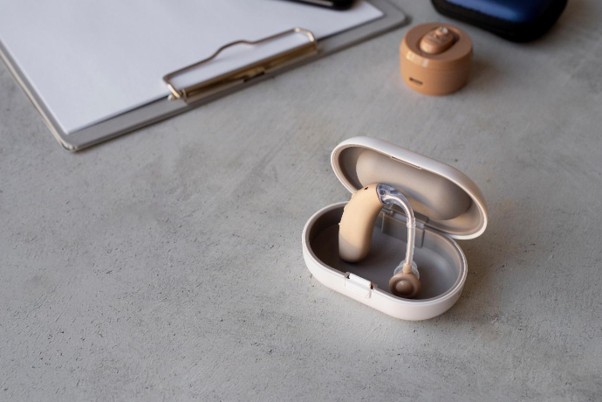
Hearing Aid Technology

How the Latest Hearing Aid Technology Improves Hearing

The latest hearing aids include advanced features that improve listening in challenging situations and adapt to a variety of environments. Latest technology in hearing aids is now more than just sound enhancers thanks to these developments. Beyond hearing, they maintain people’s interest, connection, and self-assurance in day-to-day interactions. With every development, hearing aids become more closely aligned with the natural ear-brain link and offer more comfortable, clearer hearing.


How has Hearing Aid Technology Changed?

Hearing aid technology has advanced, becoming more compact, intelligent, and user-friendly than ever. Earlier hearing aids had little sound control and were frequently large. Advanced digital processing is used by modern gadgets to enhance speech clarity, lower background noise, and automatically change volume.

These days, a lot of hearing aids have Bluetooth connectivity, which enables users to stream calls, music, and other audio straight from televisions and smartphones. Additionally, rechargeable batteries have made daily use more convenient by reducing the need for frequent battery replacement. As future hearing aid technology continues to evolve, some advanced models use artificial intelligence to identify different listening contexts and adjust the sound accordingly, providing users with a more customized and comfortable listening experience.


Latest Hearing Aid Technologies that Improve Hearing

Digital Sound Processing

To provide more lifelike sound, modern hearing aids employ refined digital signal processing. They can automatically adjust amplification based on the listening environment and distinguish speech from background noise. In crowded areas, this makes it easier for users to follow conversations.

Artificial Intelligence

AI-powered hearing aids can identify various settings, including restaurants, offices, and outdoor areas, and analyze ambient sounds. They can automatically adjust sound settings based on these parameters to enhance listening comfort and voice comprehension.

Bluetooth Connectivity

Hearing aids are becoming practical wireless gadgets thanks to Bluetooth technology. Compatible hearing aids can connect directly to smartphones, tablets, televisions, and other devices, allowing users to stream music, films, phone calls, and other audio. Along with these advanced features, regular hearing aid cleaning is important for maintaining device performance and ensuring a clear, comfortable listening experience. Proper care can also help keep the devices functioning effectively for longer.

Noise Reduction and Directional Microphones

Advanced noise-reduction systems help minimize unwanted sounds, while directional microphones focus on sounds coming from specific directions. Hearing aid domes can also contribute to a comfortable listening experience by helping deliver amplified sound effectively into the ear. Together, these technologies can make conversations easier to understand in noisy environments while improving comfort and clarity.

Remote Adjustments

Through linked apps, several contemporary hearing aids allow hearing aids specialist to make remote adjustments. This can make continuing hearing care more convenient and lessen the need for frequent clinic visits.


Is the Latest Technology Right for Everyone?       

Although the latest technology in hearing aids has many advantages, it might not be suitable for everyone. The type and severity of hearing loss, lifestyle, communication needs, financial situation, and comfort preferences all influence the choice of equipment. Some users might choose simpler devices with fewer features, even though technologies like Bluetooth, artificial intelligence, rechargeable batteries, and advanced noise suppression can be quite helpful.

Which technology best suits a person’s needs can be determined with the assistance of a skilled hearing aid specialist. Rather than just picking the most cutting-edge model, choosing a hearing aid should consider both individual needs and practical advantages.


Benefits of Modern Hearing Aid Technology        

It could be time to switch to a more modern pair of hearing aids if you have been using the same ones for more than five years. You’ll be able to hear as clearly as possible thanks to this. This can help prevent or postpone the onset of dementia and Alzheimer’s disease in people, particularly in the elderly.

Children with hearing impairments can also benefit from new hearing aids. As pediatric devices are more resilient than ever, your child can enjoy themselves without worrying about breaking their hearing aids. Additionally, new models work with a variety of tools and applications that can support your child in the classroom.


Selecting the Appropriate Technology for Your Hearing Requirements

Understanding your unique communication preferences, lifestyle, and hearing needs is the first step in selecting the latest hearing aid technology. Even while cutting-edge gadgets have features like Bluetooth connectivity, artificial intelligence, noise reduction, and rechargeable batteries, not every user needs every feature. Think about the places you spend most of your time and the circumstances that make hearing the most difficult.


Experience the Future of Hearing Care Today      

With improved clarity, comfort, connectivity, and convenience, hearing aid technology is revolutionizing how people sense sound. Modern hearing aids may facilitate and enhance everyday conversation with features such as intelligent noise reduction, Bluetooth streaming, rechargeable options, and customizable settings. However, selecting the latest technology in hearing aids requires expert advice tailored to your specific lifestyle and hearing needs.

To help you find the best assistance for improved hearing, we at Roger Clark Hearing combine cutting-edge hearing solutions with individualized care. Experience the future of hearing care with Roger Clark Hearing, and take the next step toward more confident, clear conversations.
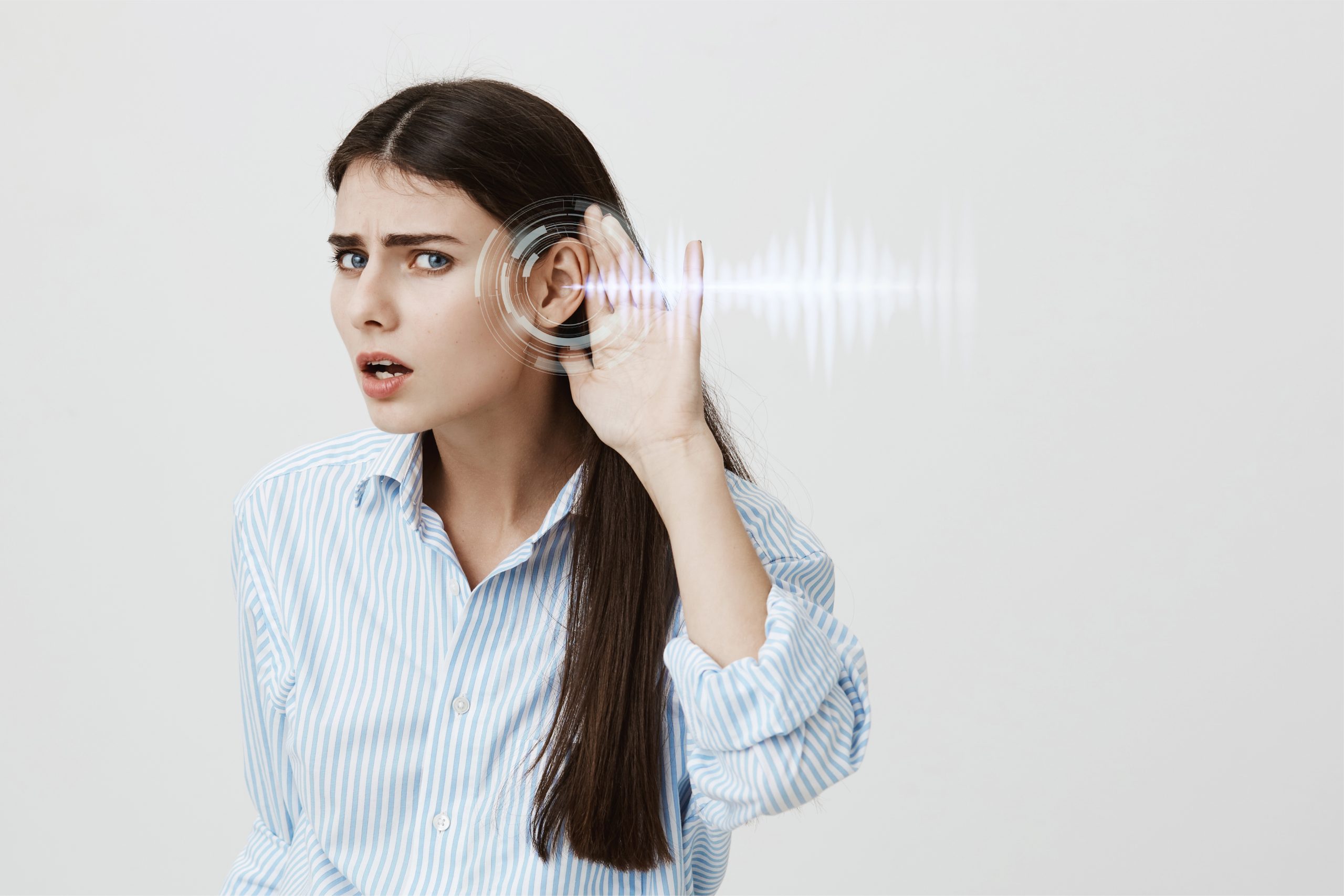

Low-Frequency Hearing Loss

What is Low-Frequency Hearing Loss? Signs, Causes, and Solutions

To interact, communicate, and sense the world, hearing is essential. It can have a significant impact on day-to-day living when certain sound frequencies become hard to hear. Low-frequency hearing loss is one such condition that often goes undetected in its early stages because it affects lower-pitched sounds rather than high-pitched tones.

You may have this particular kind of hearing problem if you’ve ever had trouble hearing deep voices, bass sounds, or background noise. For early detection and successful treatment, it is crucial to comprehend low-frequency hearing loss. We’ll discuss what it is, its symptoms, causes, and potential treatments to help you regain hearing clarity in this blog.


What is Low-Frequency Hearing Loss?

The inability to efficiently hear sounds in the lower pitch range is known as low-frequency hearing loss. These sounds, which include deep voices, thunder, bass music, and vowel sounds in speech, usually range from 125 Hz to 500 Hz. It’s interesting to note that the most common noises occur within a relatively narrow range, but the lowest frequency humans can hear is about 20 Hz.

Although less prevalent than high-frequency hearing loss, this kind of hearing loss can nonetheless significantly affect conversation. Conversations may appear faint or unfinished because people with this condition frequently have trouble hearing deeper tones but can clearly hear high-pitched sounds. Depending on its source, low-frequency hearing loss can be either transient or permanent. It can also be associated with either conductive or sensorineural hearing loss; therefore, when seeking appropriate therapy, it’s critical to distinguish between the two.


Common Signs and Symptoms

You can take prompt action if you are aware of the early indicators of low-frequency hearing loss. Some symptoms may be mild at first, but if treatment is not received, they usually get worse over time.

  • Hearing low voices is difficult, especially for men.
  • Speech comprehension issues in noisy settings
  • Sounds that seem shallow or muted
  • Heightened sensitivity to high-pitched, loud noises
  • Sensing that people are mumbling
  • Feeling as though your ears are filled
  • Occasionally experiencing balance problems

Due to the progressive nature of hearing loss, people may not always be aware that they are experiencing it. Rather, they could see that they frequently ask others to repeat themselves or find it difficult to follow group discussions.


Causes of Low-Frequency Hearing Loss

Low-frequency hearing loss can have a variety of reasons, from temporary illnesses to long-term health problems.

Disorders of the inner ear: One of the most common causes is Ménière’s disease. These conditions may cause hearing problems by interfering with the processing of sound impulses.

Accumulation of fluid in the ear: Temporary hearing problems may arise when sound waves are blocked by excess fluid in the middle ear. This is frequently linked to allergies or illnesses.

Genetic elements: A tendency toward hearing loss, including low-frequency hearing loss, may be inherited by some people.

Infections with viruses: Hearing loss can occur suddenly or gradually due to inner-ear damage from certain viral infections.

Getting older: Aging can sometimes lead to decreased hearing of lower tones, even though it is more frequently associated with high-frequency hearing loss.

Otosclerosis: The middle ear’s bones are impacted by this disorder, which reduces their capacity to transmit sound effectively

When examining Sensorineural vs. Conductive Hearing Loss, it is important to understand whether the problem is conductive (related to sound transmission) or sensorineural (related to nerve function), as this dictates the treatment.


How is Low-Frequency Hearing Loss Detected?

Determining the kind and degree of hearing loss requires an accurate diagnosis. A hearing specialist will usually conduct several tests if you suspect hearing problems.

Assessment of Hearing: A comprehensive hearing test measures your ability to hear sounds across various frequencies. This helps determine whether the hearing loss affects a broader range or is restricted to low frequencies.

Tympanometry: This exam assesses the middle ear’s health and looks for problems with fluid or pressure.

Medical Evaluation: To determine underlying causes, such as infections or inner-ear diseases, your specialist may review your medical history and symptoms.

For therapy to be effective and prevent further hearing loss, early diagnosis is crucial. Search for “hearing aids near me” to get in touch with reputable local providers for expert assistance.


Treatment and Solutions

The good news is that with the right strategy, low-frequency hearing loss is often controllable. Depending on the reason and severity, different solutions apply.

Medical Care: Medication or modest treatments may restore normal hearing if the source of the hearing loss is an infection, fluid accumulation, or inflammation.

Hearing Aids: Low-frequency sounds can be amplified while higher-frequency sounds remain clear with specially designed hearing aids. These gadgets are made to fit your unique hearing profile.

Modifications to Lifestyle: Your hearing can be protected by limiting exposure to loud noises, practicing good ear care, and controlling your stress.

Therapy for Balance: Therapy may be recommended for conditions such as Ménière’s disease to control vertigo and improve balance.

Continuous Observation: Frequent hearing examinations guarantee that any modifications in your hearing are identified early and dealt with right away.

Visiting a reputable clinic like Waco Hearing Center can offer individualized advice and solutions catered to your needs if you’re not sure where to start.


When should You See a Hearing Specialist?

Many people put off getting treatment for hearing problems because they believe they are not serious. Early action, however, can have a big impact.

A hearing specialist should be seen if you encounter:

  • Long-term trouble hearing low-pitched noises
  • Misunderstandings that occur frequently during chats
  • Abrupt or deteriorating alterations in hearing
  • Tinnitus, or ringing in the ears
  • Balance issues

Even minor symptoms may point to a problem that needs to be addressed. Finding competent care and enhancing your quality of life can be achieved by looking for hearing aids in your area.


Why Choose Roger Clark Hearing?

Selecting the appropriate provider is crucial for hearing treatment. Roger Clark Hearing Centers is committed to providing thorough, patient-focused services tailored to your specific needs.

Expert Evaluation: Comprehensive evaluations of your hearing to make an accurate diagnosis

Tailored Solutions: Customized treatment programs according to your lifestyle and hearing needs

Advanced Technology: Availability of cutting-edge hearing aids that enhance sound quality

Ongoing Support: Constant maintenance to guarantee long-term hearing health


Roger Clark Hearing – Restoring Your Clear Hearing

Your ability to interact with the environment may be impacted by low-frequency hearing loss, but your quality of life need not be diminished. You can take proactive measures to improve your hearing health by being aware of the symptoms, causes, and available remedies. The correct treatment combined with an early diagnosis can make all the difference.

Don’t wait if you’re experiencing symptoms or noticing signs of hearing loss! For professional advice, individualized treatment, and practical solutions that restore clarity to your daily life, get in contact with Roger Clark Hearing right now.