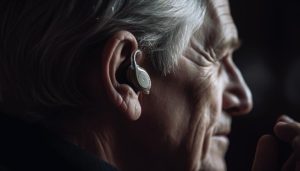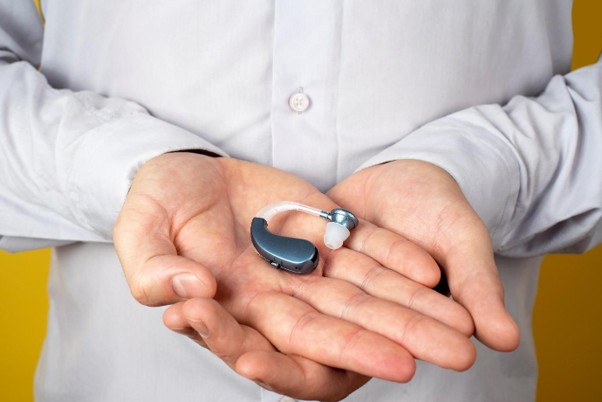
To guarantee hearing aid users’ comfort and sound quality, hearing aid domes are essential. These tiny, soft earpieces help offer clear sound while minimizing undesired feedback by fitting snugly into the ear canal. Selecting the appropriate hearing aid domes can increase speech clarity, improve listening in various settings, and make wearing hearing aids more comfortable all day.
Your hearing requirements will determine which dome is best for you, as they vary in size and shape. In this blog, we’ll go over the many kinds of hearing aid domes and how to select the ideal fit for improved hearing.
What are Hearing Aid Domes?
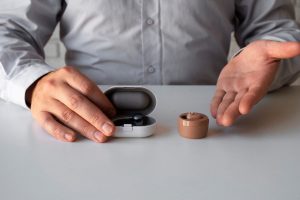
Hearing aid domes, often known as tips, are tiny, flexible silicone parts that fasten to the end of your tube or receiver. They fit comfortably deep in your ear canal. Domes act as a link between your ear canal, sound, and your hearing aids. Regularly inspecting and replacing worn domes, along with timely hearing aid repair when needed, helps maintain clear sound quality, comfort, and overall performance.
Why the Right Hearing Aid Dome Matters
The outside world sounds clearer and more natural.
By selecting the appropriate hearing aid dome types, you can ensure that your devices generate a clear, natural sound quality. This is because sound will still enter. We can help you determine which kind is best for you.
Domes for hearing aids can be more hidden.
Particularly when tucked within your ear, hearing aid domes are really tiny. They can be fairly discreet.
No fitting time
One of the greatest advantages of hearing aid domes is that there is no waiting. You can put them in and start using your hearing aid right away. For those who don’t want to wait weeks for custom-fit hearing aids, this is an excellent choice.
Your speech is audible to you
Certain varieties of hearing aid domes allow a natural amount of sound to get through. This means you can still hear your own voice as usual. If your hearing aids sound natural and clear, you’ll probably wear them more.
Different Types of Hearing Aid Domes
Open Dome: If your hearing loss is mild to moderate, an open hearing aid dome is typically the best option. As open domes include vents that let wind and low-frequency natural sounds still reach the ear, they offer what’s known as an open fit.
Closed Dome: If you have moderate to severe hearing loss and require certain lower frequencies boosted, a closed dome is the best option. A closed dome lessens the amount of background noise that enters the ear canal while still allowing some air to pass through.
Power Dome: If you have severe hearing loss and require amplification of both low- and high-frequency sounds, the power dome is the best option. It totally blocks out distracting background noise by sealing your ear canal.
How to Choose the Right Hearing Aid Dome
Considering Your Hearing Impairment
Open domes, which improve speech clarity while allowing natural sounds to enter the ear, are frequently beneficial for people with mild to moderate hearing loss. Closed or power domes may be necessary for people with more severe hearing loss to improve amplification and minimize sound leakage.
Make Sure the Fit is Comfortable
The dome of a hearing aid should fit snugly without irritating or applying pressure. The dome could slip out or cause feedback if it is too small. It may be uncomfortable and interfere with everyday wear if it is too big.
Meet Your Listening Requirements
Your everyday surroundings are also important. Your hearing care provider can suggest a dome type, which provides superior sound isolation, if you spend a lot of time in noisy environments. For quieter environments where natural sound awareness is crucial, open domes are frequently chosen.
Seek Expert Advice
A professional hearing assessment is the best way to select the appropriate hearing aid dome. To ensure your hearing aids provide optimal comfort, enhanced speech comprehension, and reliable performance in various listening contexts, an audiologist or hearing aid specialist can suggest the appropriate hearing aid dome sizes and design.
Signs Your Hearing Aid Dome Doesn’t Fit Properly
You Feel Pain or Discomfort
When you first start using your hearing aids in Waco, TX, you may be constantly aware of them, but you should never feel pain or discomfort. If you do, it’s probably because they don’t fit your ears correctly.
Your Hearing Aids Don’t Last
Your hearing aids may not fit properly if they don’t stay in your ears. You won’t be able to insert them if they are too big, and they won’t stay in place if they are too small.
Your Sound Quality is Poor
Sounds should be audible when wearing your hearing aids. Another indication of a bad fit is if the sound is unclear or you hear feedback, which is a whistling or screaming sound.
You’ve Accumulated Earwax
Unexpectedly, earwax accumulation in the ear canals behind your hearing aids may also be a symptom that they don’t fit properly. Your ear canals should remain clear with a properly fitted device.
When Should You Replace Hearing Aid Domes?
Hearing aid dome replacement is advised every 1 to 2 months, though individual results may differ. Your hearing aid specialist will demonstrate how to replace your dome, but if you’re still not sure, contact your local hearing care specialist for guidance and ask a friend or relative for extra assistance. Domes definitely need the utmost care because they are vulnerable to earwax and moisture.
Never use a new hearing aid with an old dome. They are not always compatible.
Find Your Perfect Hearing Aid Fit with Roger Clark Hearing
To get the maximum performance out of your hearing aids, long-lasting comfort, and clear sound, you must select the appropriate domes. Well-fitted hearing aids can improve speech comprehension, reduce feedback, and make listening more pleasurable. Expert advice might make all the difference if you’re not sure what kind or size dome is best for you.
To make sure your devices meet your specific hearing needs, Roger Clark Hearing’s skilled hearing care specialists offer individualized hearing exams, hearing aid fittings, and ongoing support. Make an appointment right now to enjoy the assurance and comfort that come with professional hearing care!
Sources:
https://stanfordhearingaids.com/blog/selecting-the-best-hearing-aid-domes/