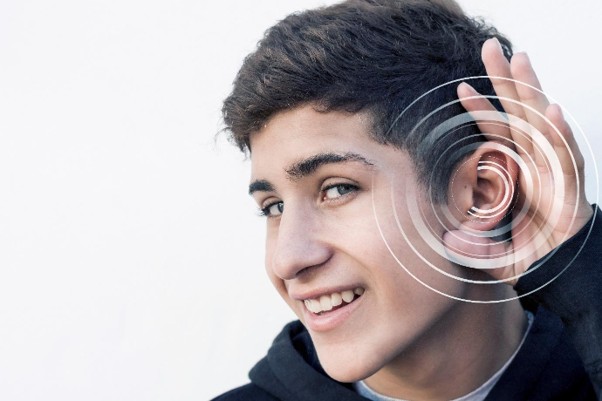
After using your new hearing aids for the first time, you notice something odd a few minutes later. Your voice doesn’t sound right. Perhaps it sounds too loud, echoes in your head, or has a booming, hollow quality. These changes are often caused by the occlusion effect hearing aid users commonly experience when a dome or earmold creates a seal in the ear canal.
It’s so distracting that you pause in the middle of a sentence to consider whether something is wrong. In actuality, your hearing aids are most likely operating as intended. Because no one tells you that you’ll sound different from yourself, what you’re going through is a frequent problem that many people are unaware of.
You can’t just brush this off as a small irritation. It has an impact on whether you will continue to wear your hearing aids if your voice sounds strange every time you talk. You can return to focusing on what other people are saying rather than being sidetracked by the sound of your own voice once you comprehend what’s going on and discuss it with an audiologist or heading aid specialist.
What is the Occlusion Effect?
When the ears are covered, a person senses an increase in loudness, particularly at low frequencies, in self-generated sounds (vocalization, chewing, swallowing, walking, and the like). This sensation is known as the occlusion effect and is commonly associated with the occlusion hearing aids users may experience when a hearing aid or earmold seals the ear canal. The occlusion effect, which does not seem to exist when middle ear pathology is present, seems to be a result of this greater signal passing through the normal middle ear.
Why does My Voice Sound Different with Hearing Aids?
Wearing hearing aids amplifies both internal and external noises, including your own speech. This is because hearing aids amplify noise detected by microphones, including your speech, as it passes through the air and reaches the device. But there’s another factor at work – your voice also passes through your skull, and vibrations in your bones go straight to your inner ear. Wearing hearing aids might make your voice sound louder or more booming than usual, particularly if the device is more deeply inserted into your ear canal.
Signs You’re Experiencing Hearing Aid Occlusion
- Speaking with a booming or hollow sound
- When speaking or chewing, echo
- Uncomfortable chats
- Having a plugged-in feeling in your ears
How Hearing Aid Domes and Earmolds Affect Voice Perception
Earmolds and domes for hearing aids can have a big impact on how people hear their own voices. Speech vibrations can become trapped when a dome or earmold partially or fully closes the ear canal, making the voice sound deeper, louder, or more echo-like. New users of hearing aids frequently experience this sensation, called the occlusion effect. As a result, many people describe their hearing aids sounds like they are in a barrel, with their voice taking on a hollow or booming quality until the fit or settings are adjusted.
Custom earmolds offer a tighter seal that may improve this feeling, while open-fit domes typically allow more natural airflow and lessen it. For comfortable listening, natural speech perception, and overall satisfaction with hearing aid function, proper fit and design are crucial.
Comparing Open Fit and Closed Fit Hearing Aids for Voice Clarity
Open-Fit Hearing Aids
Small, vented domes used in open-fit hearing aids allow air and noise to pass through the ear canal. By lessening the occlusion effect, this design helps the user’s speech seem less echo-like and more natural. For people with mild to moderate hearing loss who wish to improve their awareness of surrounding sounds and have a comfortable listening experience, open-fit models are usually advised.
Closed-Fit Hearing Aids
Closed-fit hearing aids use closed domes or custom earmolds to provide a tighter seal inside the ear canal. For those with moderate to severe hearing loss, this style is perfect since it offers better sound retention and louder amplification. But until the user gets used to the device, the tighter seal could make their voice sound louder or a little hollow. Proper hearing aid fittings are essential to ensure comfort, minimize unwanted sound effects, and optimize overall hearing performance.
Tips for Adjusting to New Hearing Aids
Start at home
It can be strange to use hearing aids for the first time since your brain needs time to adjust to hearing noises it hasn’t heard in a while. Additionally, the initial adjustment period is a little unpleasant, much like starting to exercise again after a period of inactivity. However, it ought to disappear soon. Wearing your hearing aids at home all day is an excellent way to get used to them.
Increase your wear time gradually.
As soon as possible, you should wear your hearing aids at home for as long as possible. The first 2 to 3 days are the most difficult for new hearing aid users, as your brain and ears adjust to the new sounds. You can wear your hearing aids all day once you get over the first few days, when sounds will begin to seem more natural. During this adjustment period, it is also important to maintain proper hearing aid cleaning habits to ensure optimal performance, sound quality, and long-term device reliability.
Take on a challenge
It might be difficult to get adjusted to new hearing aids. However, you can shorten the transition period if you persevere and push yourself. When watching TV, use captions or subtitles. Because visual signals aid the brain’s processing of sound, this can aid in comprehension.
Be ready to become frustrated.
It might be challenging to get used to new hearing aids. Permit yourself to feel irritated and, if necessary, take a break. Just keep trying!
Consult your hearing aid specialist
Make sure to consult your audiologist or another hearing care specialist if you have prescription hearing aids in Waco, TX. To help you feel more comfortable, they can clean earwax, adjust your hearing aids, or suggest new types. Contact your hearing care provider as soon as possible if your hearing aids don’t fit properly or if you have sudden pain or discomfort.
Get Expert Help for Hearing Aid Comfort and Fit
As the way sound travels in your ear canal changes when you start wearing hearing aids, it is usual for your own speech to sound different. In many cases, this is related to the occlusion effect hearing aid users experience when the ear canal is partially blocked, causing their voice to sound louder, hollow, or echo-like. There are numerous methods to modify your devices and enhance the sound of your speech, such as altering the type or fit of your hearing aids or making minor tweaks with our team’s assistance. Our team at Roger Clark Hearing in Texas can help you explore solutions to improve comfort and clarity if you find the sound of your own speech bothersome or distracting. Call us for more information or to make an appointment!