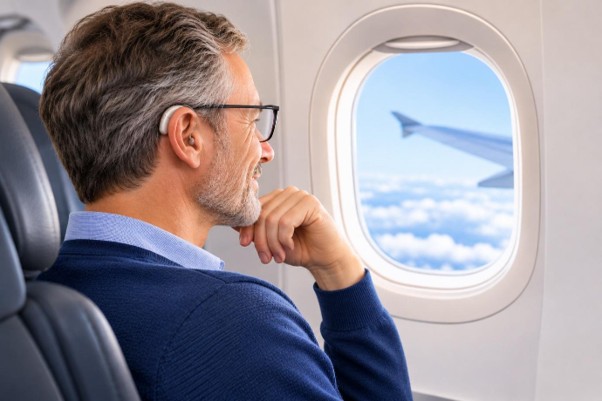
Family get-togethers, office outings, and, for many, a stressful flight through congested airports are all part of the holiday season. With long queues, gate changes, and aircraft delays, travelers with hearing loss may also miss crucial information because announcements are too faint. This blog will make your travels easier and help ensure safer, smoother flights if you are unsure about wearing hearing aids on planes.
How to Prepare Your Hearing Aids Before Traveling
Before your flight, don’t forget to pack the following:
- Extra batteries or a charger for hearing aids
- Cleaning kit for hearing aids
- Drying jar or drier for hearing aids
- Additional wax filters
- Domes or spare tubing
- Accessories like TV adaptors
- A case for gadgets to organize your equipment
Include any products you frequently use, such as hearing aids. Bring as many hearing aid batteries as you would need for the trip, plus a few extra if your devices require batteries.
Can I Wear Hearing Aids on a Plane?
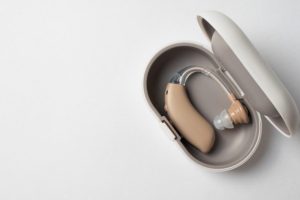
Yes, you can wear hearing aids on planes. Hearing aids don’t interfere with aircraft communication systems and are generally safe to use while flying. They can help you stay aware of your surroundings, talk with cabin crew, and hear important announcements.
Follow the airline’s guidelines regarding electronic devices if your hearing aids have Bluetooth or wireless connectivity. Also, pack a charger or extra batteries in your hand luggage. To keep your flight hassle-free and comfortable, keep your hearing aids close at hand.
Essential Items to Pack for Your Trip
Extra batteries and hearing aids
Bring extra batteries or a fully charged charging case for your hearing aids. Backup power guarantees uninterrupted use of your electronics during the trip.
Cleaning Kit for Hearing Aids
When travelling with hearing aids on planes, carry a small cleaning kit with a dry towel and a gentle cleaning brush to remove earwax, dust, and moisture. Keeping your hearing aids clean helps them perform well throughout your journey.
Storage case for protection
A strong case protects your hearing aids from moisture, dust, and accidental damage. When you are not wearing your hearing aids, keep them stored securely.
Power banks and chargers
Don’t forget a compatible power bank and charger for your rechargeable hearing aids. These gadgets can be especially helpful during lengthy flights.
Crucial travel records
When flying with hearing aids, keep your identification documents, travel insurance, airline tickets, and relevant medical records easily accessible. You can also carry a hearing aid information card to help airline staff understand your communication needs.
Accessories that reduce noise
If the cabin is noisy, consider bringing cozy earplugs or other noise-canceling devices. But don’t use them in a way that keeps you from hearing crucial safety alerts.
Personal necessities and medications
To stay comfortable throughout your trip, pack your hand luggage with your prescription drugs, drinking water, food, and other personal essentials.
How to Protect Hearing Aids while Traveling
Keep extras in your carry-on.
During hearing aid airport security checks, keep accessories, including cleaning kits, spare batteries, and chargers, in your carry-on luggage. If the airline misplaces your checked baggage, you will still have everything needed to keep your devices functioning properly and enjoy clear, enhanced sound throughout your trip.
Store breakable accessories in an electronics case
You can further protect your hearing aid supplies by keeping them in an electronics case, ideally a waterproof one, and bringing them on the plane.
Avoid using security to take off your hearing aids in Waco
TSA Officers may ask you to remove liquids, take off your shoes, or put your gadgets in a different bin. The good news for hearing aid wearers is that you shouldn’t have to remove them before passing through the metal detector. If you have any questions, tell the TSA officers you are wearing them.
Keep your hearing aids in a secure place.
If you take off your hearing aids during a lengthy flight, keep them in their case, ideally in the electronic case, rather than on your lap or tray table.
Tips for Hearing Comfort during Flights
- Try wearing earplugs designed especially for flying. These plugs limit airflow and prevent pressure buildup in your eardrums.
- If you have severe allergies or are particularly congested, you might need to postpone flying. This may reduce the risk of severe middle-ear pain.
- To reduce ear popping, take a decongestant tablet or use a nasal spray about an hour before descent. To make sure using one of these drugs is safe for you, first consult your physician.
- Before takeoff and landing, yawn, swallow, chew gum, or suck on your favorite hard candy. This helps balance air pressure in your ear through the eustachian tube.
- If you don’t have a sinus infection, you can relieve ear pressure by holding your nose, closing your mouth, and gently blowing without releasing air.
- If, after a few days, your ears still don’t function normally, see a qualified specialist who can assess your ears and recommend the best course of action.
Get Ready for Your Next Trip with Roger Clark Hearing Centers
People with hearing loss have more opportunities when they wear hearing aids on planes. No matter where your adventures take you, you can travel smoothly and enjoyably by embracing convenience, carrying necessities, optimizing battery life, planning, and welcoming new experiences. Before you travel, stop by our Waco hearing center location if you have any questions concerning your hearing aids. You can confidently and clearly explore and hear the world.