Have you recently been asked to unwind in front of an unfamiliar computer while an audiologist or hearing aid specialist measured your hearing aids? It’s for a good reason, so don’t be confused. Everybody has a unique ear canal.
Some have narrower, smaller canals. Others might be a bit bigger or deeper than usual. Even in the same person, no two ears are generally identical.
Because of these differences, your ears’ acoustics can differ from others’. The sound from your hearing aid may not match what an ordinary ear hears because your ears differ in size and hearing capacity. For this reason, a hearing aid specialist will measure your actual ear, including the size, length, and form of your ear canal.
What are Real-Ear Measurements?
A real-ear measurement measures the actual sound output of a hearing aid inside a patient’s ear canal, providing an objective way to verify hearing aid performance. To verify that hearing aids operate correctly and meet the patient’s recommended goals, hearing care professionals use real-ear measurements. REMs are essential to ensure an accurate hearing aid fit because each ear is acoustically distinct, even on the same head.
Why is Real Ear Measurement Crucial?
The degree of hearing loss determines the REM target, and the hearing aid’s frequency response is adjusted to match it as closely as possible throughout the real ear measurement test. The objective is to optimize the hearing aid’s performance, even though perfect precision may not be achievable. This shows how the hearing aid performed before and after the REM.
The primary difference between REM and traditional auto hearing aid programming is that REM considers your ear’s anatomy in addition to measuring the type and degree of hearing loss. Did you know that your ear canal anatomy can significantly affect how well your hearing aids work? For this reason, REM significantly affects how satisfied people are with their hearing aids.
Studies show that patients prefer hearing aid settings programmed using actual ear measurement equipment over those that weren’t. One thing that makes our center unique is that, surprisingly, fewer than 30% of hearing care providers use this technique.
What to Expect during a REM Test
Sensor placement: To track brain activity, eye movements, and muscle activity, we attach tiny, painless sensors to your scalp, face, and the area around your eyes, while assessing the real ear unaided response.
Monitoring sleep patterns: To detect sleep stages, including REM sleep, the device records your heart rate, breathing patterns, eye movements, and brain waves.
Overnight Observation: You will need to spend the night in a peaceful, cozy room while experts monitor your sleep patterns.
Muscle Activity Monitoring: Sensors track muscle activity and movements while you sleep to detect abnormal muscle reactions or movements linked to REM sleep disorders.
Breathing Assessment: To detect breathing issues connected to sleep, the device may also track your breathing rate and oxygen levels.
Comfort during Testing: The process is pleasant and usually doesn’t seriously disrupt your sleep, even though the sensors and wires may look strange.
Continuous Recording: Throughout the night, the monitoring device logs your sleep activities, giving experts data to evaluate your REM sleep patterns, spot irregularities, and understand whether hearing aid troubleshooting may be needed.
Are Real-Ear Measurements different from a Standard Hearing Test?
Yes, because they serve different purposes, Real-Ear Measurements differ from a typical hearing exam. A conventional hearing test in Waco, TX assesses your ability to hear sounds at various frequencies and levels to determine the type and severity of hearing loss. Real-Ear Measurements, on the other hand, evaluate how well your hearing aids fill your ear canal with sound.
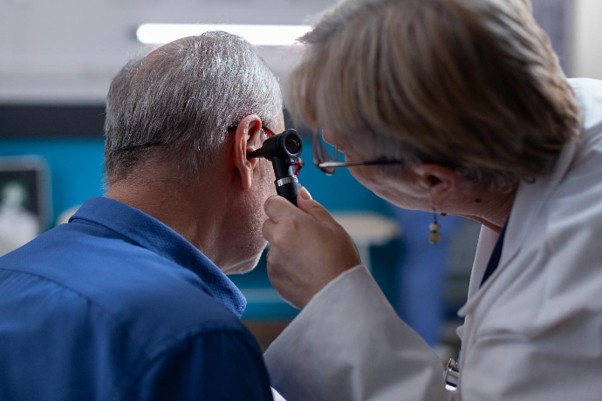
When you use hearing aids during REM, a tiny microphone records sound close to your eardrum. This lets audiologists and hearing aid specialists adjust the devices to your hearing needs, ensuring more individualized performance, greater comfort, and clearer sound.
When should You Consider a Hearing Aid Fitting Evaluation?
If you have trouble understanding conversations, regularly ask people to repeat themselves, or struggle to hear in noisy settings, you may want to get evaluated for a hearing aid fitting. An evaluation can help determine the necessary modifications if your current hearing aids are uncomfortable, produce unclear sound, or no longer meet your listening needs. If you are using new hearing aids for the first time or if your hearing has changed, you can also benefit from an evaluation. To improve sound clarity, comfort, and overall listening experience, a hearing care specialist can assess your hearing needs, monitor device performance, and make customized adjustments.
What to Expect during a Hearing Aid Appointment in Waco, TX
First Consultation and Evaluation of Hearing
Your hearing aid visit in Waco, Texas usually starts with a conversation about your lifestyle, medical history, communication issues, and hearing concerns. To identify the type and severity of hearing loss, a hearing aid specialist or audiologist may conduct a hearing evaluation. This evaluation helps determine which hearing aid features and styles are most appropriate for you.
Choosing and Suggestions for Hearing Aids
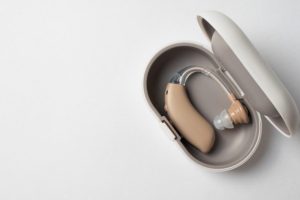
The hearing aid specialists will suggest hearing aids based on your hearing test results. You may discuss several styles, such as in-the-ear, receiver-in-canal, and behind-the-ear devices. When choosing the best solution, the hearing aid specialist considers factors like comfort, cost, daily activities, and technology preferences.
Fitting and Adjusting Hearing Aids
After you choose them, the hearing aid specialist will program your hearing aids to match your needs. To confirm the devices, provide proper sound levels in your ear canals, they may use Real-Ear Measurements. You can test the hearing aids and share your feedback on comfort and sound quality.
Instructions for Care and Follow-Up
Before your appointment ends, the hearing care specialist will review how to wear, clean, charge, and maintain your devices. You will also learn how to adjust basic settings. Follow-up appointments help resolve issues, adjust sound levels, and ensure your hearing aids continue to meet your needs.
Better Hearing Starts with Roger Clark Hearing
Your hearing aid specialist can use real-ear measurement data to determine whether your hearing aid needs repair because it is weak or not functioning properly. It also lets your hearing specialist show you more clearly how much sound your hearing aid isn’t amplifying. Roger Clark Hearing always uses real ear measurements to improve both the quality of your hearing and the effectiveness of your hearing aids. For more information about our services, Contact Us.
FAQ
Do hearing aids require real ear measurements?
Real Ear Measurement is considered a best practice in hearing care, though not all clinics use it. It ensures you get the most out of your hearing aids and offers a more precise fit than basic programming.
How long does a real ear measurement take?
As part of your hearing aid fitting session, the exam typically takes 15 to 30 minutes. Depending on modifications and each person’s unique hearing requirements, the precise time may change.
Does Real Ear Measurement cause discomfort or pain?
No, Real Ear Measurement is usually safe and comfortable. Most patients experience very little awareness during installation because the probe tube is so thin and flexible.
Can Real Ear Measurement enhance hearing clarity?
Yes, ensuring your hearing aid matches your prescription at all sound levels can greatly enhance clarity. After appropriate verification, many patients report improved speech comprehension.