How often should you change your hearing aids? This is one of the most often asked topics during a first visit to the hearing aid specialist. Audiologists and hearing aid specialists generally advise replacing hearing aids every 3 to 5 years, but there isn’t a simple answer.
Whether you should upgrade or replace your hearing aids depends on several factors. Your hearing care specialist should guide you through this process, and this blog explains how long hearing aids last.
How Long Do Hearing Aids Last?
The lifespan of prescription hearing aids is three to seven years. However, several variables, such as the type and design of your aids, can affect this range.
Behind-the-Ear (BTE) Hearing Aids
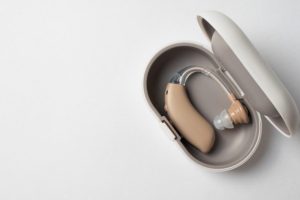
Behind-the-ear hearing aids last 5 to 7 years. BTE devices accommodate fragile electronic components in a sturdy plastic case that sits behind the ear.
In-the-Ear (ITE) Hearing Aids
ITE hearing aids last 3 to 5 years and are custom-molded to the distinctive features of the outer ear.
In-the-Canal (ITC) Hearing Aids
Custom-molded to the outer ear and ear canal, ITC hearing aids last about 3 years.
Completely-in-the-Canal (CIC) Hearing Aids
CIC hearing aids are custom-molded to fit entirely inside the ear canal, and understanding how long hearing aids last can help you plan for replacement, as these devices typically last up to 3 years.
4 Signs It May Be Time to Replace Your Hearing Aids
1. Reduced audio quality
It’s all about the sound; you might not be getting optimal performance if your hearing aids aren’t delivering the clear, sharp listening experience you’re used to. Symptoms include distorted sound, whistling noises, faint sound, and trouble understanding speech. Visit your hearing care provider once a year because your hearing may change over time.
2. Shifts in needs and lifestyle
If you’ve changed your schedule because of a new job, hobbies, or retirement, it’s a good idea to check whether your hearing aids still meet your needs. Research shows that lifestyle factors influence the decision to change hearing aids. You may choose features, additional features, or a style that better suits your lifestyle and helps you speak confidently.
3. Your hearing needs have evolved.
Your hearing may gradually deteriorate even with hearing aids, as age-related hearing loss can worsen over time. Knowing when to replace hearing aids matters if you find yourself turning up the volume on your TV or radio more often, or if your current devices no longer seem loud enough to manage your hearing loss.
4. Technology has advanced
Hearing aid technology isn’t making models outdated every year, unlike your smartphone. But every 3 to 5 years, major developments occur, mainly in processor speed, digital signal processing, and noise reduction. Modern, sophisticated hearing aids are also more enjoyable than ever.
Factors that Affect Hearing Aid Lifespan
Model
When choosing a hearing aid, consider the model and technology. These factors can significantly affect your hearing aid’s longevity, performance, and sound quality. A hearing aid’s lifespan varies depending on its brand and technology.
Maintenance and Care
Proper care and maintenance include routine hearing aid cleaning, inspecting for damage, regularly changing the battery, and choosing the right type and technology for your hearing aid. Also keep your hearing aid away from dust, dampness, and extreme heat or cold. To ensure they operate properly and last longer, have a professional examine and service your hearing aids at least once a year.
Usage
For your hearing aid to function at its best, proper usage is crucial. Adjust the settings to suit your hearing needs and wear them as instructed. Additionally, to keep your hearing loss from worsening, you must use your hearing aid daily.
Can You Repair Hearing Aids instead of Replacing them?
Repairs are fairly common for most hearing aids, and many audiologists or hearing care specialists can help resolve most problems through proper maintenance and hearing aid fitting adjustments. However, you may want to replace your hearing aids entirely if you’ve been making frequent trips to the repair shop. They may have sustained significant damage, making repairs less effective. Replacing your hearing aids isn’t always the best option, especially because it can be more expensive.
How to Extend the Lifespan of Your Hearing Aids
Store properly: When not in use, store hearing aids in their case and keep them out of direct sunlight and heat sources. Never leave them in a car on hot days.
Schedule yearly professional servicing: A hearing aid specialist can clean and electrically inspect them to catch minor problems before they become serious malfunctions.
Use caution when handling: One of the main causes of early hearing aid failure is drop damage. If you are highly active or work in a physically demanding setting, consider using a rope or clip for your hearing aid.
When should You Schedule a Hearing Aid Checkup?
If something doesn’t feel right, you don’t have to wait until your next planned checkup. If you have trouble following conversations, regularly ask people to repeat themselves, crank the volume higher than others want, or feel exhausted at social events, it’s a good idea to get a hearing test sooner rather than later. These are often the first signs that something may be wrong with your hearing.
If you’re looking for a hearing test or new hearing aids in Waco, TX, our specialist at Roger Clark Hearing can help you. Call us to speak with a qualified hearing healthcare specialist.
FAQ
Will I be able to hear normally again with a hearing aid?
Hearing aids can greatly improve speech comprehension. They do not, however, restore normal ear function.
What is the lifespan of hearing aid batteries?
The battery type and how many hours you wear your hearing aid each day determine this.
Does perspiration harm hearing aids?
Yes. Over time, excessive moisture from perspiration can harm internal components. Keep your device safe by cleaning and drying it after each use.
What should I do if my hearing changes?
Your hearing aid specialist will help modify your hearing aid to meet your needs. Replacing them could yield better results if they can no longer meet your hearing needs.