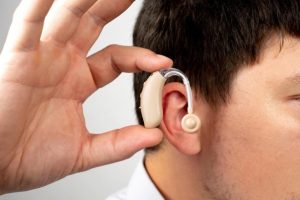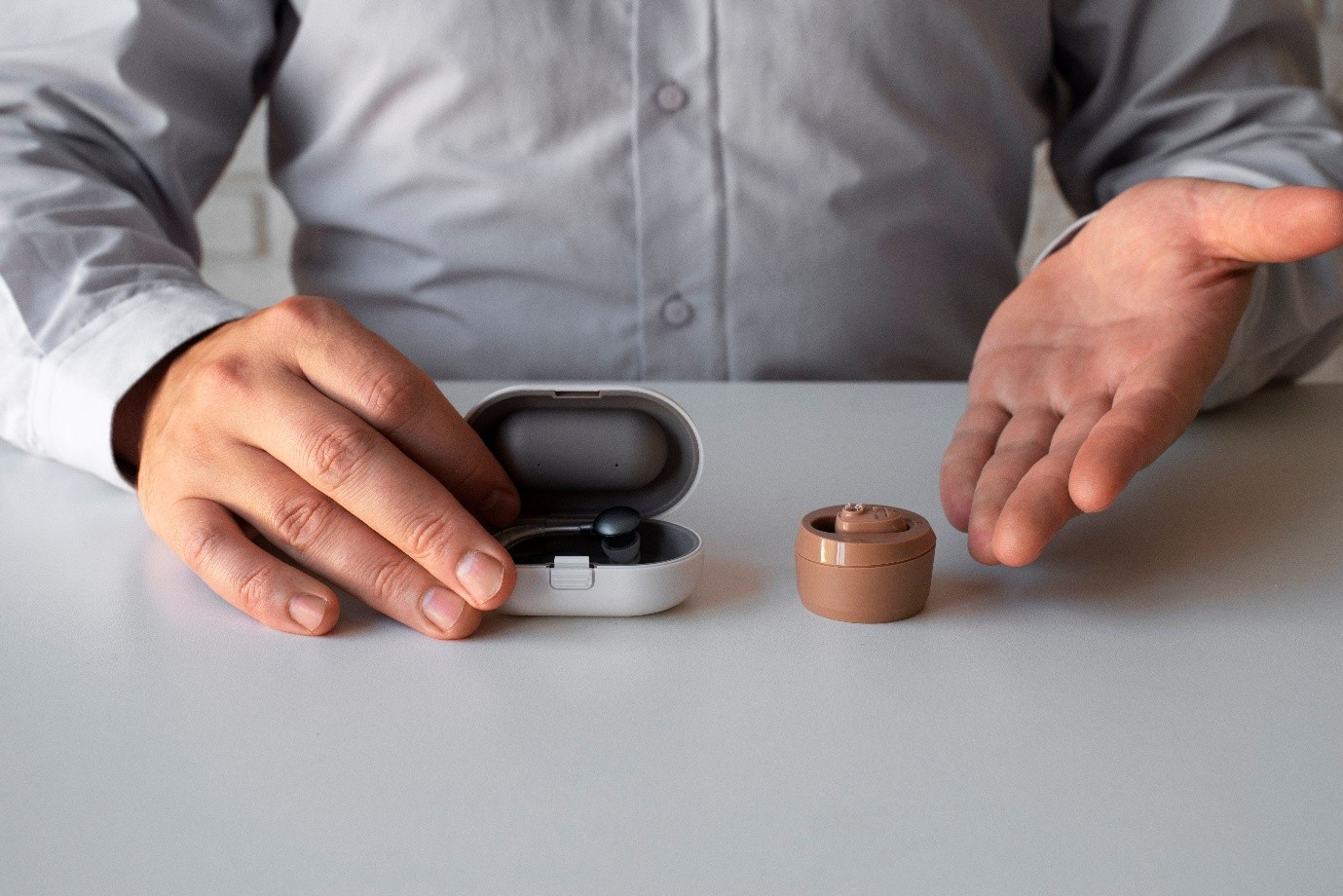
When choosing a hearing aid, convenience, lifestyle, and the amount of care you can handle are all crucial factors to consider. One of the most crucial choices people have to make these days is whether to use battery-powered or rechargeable hearing aids. In this blog, we’ll go over the differences, benefits, and which is best for your daily schedule.
The Function of Hearing Aids
It’s crucial to comprehend how hearing aids operate before deciding on a battery. Each kind of hearing aid with batteries has a digital amplifier that transmits sound waves to the inner ear via a speaker and a microphone to detect sounds in the surrounding environment. The way they are powered is the primary distinction between them all.
- Lithium-ion batteries are integrated into rechargeable hearing aids and can be recharged every day.
- Depending on usage and size, battery-operated hearing aids require replacement of disposable zinc-air batteries every few days or weeks.
Understanding Rechargeable Hearing Aids
Reliable, fully charged hearing aids are crucial for active people with hearing loss. With batteries that can last up to 24 hours on a single charge, rechargeable hearing aids are an excellent choice. Hearing aids with rechargeable batteries are made to keep up with your daily activities.
They have Bluetooth connectivity and app syncs that provide a variety of personalizations to help you hear. Audiology has undergone a significant transformation thanks to rechargeable hearing aids. For people with hearing loss, it offers many advantages. These gadgets, which run on rechargeable batteries, provide accessibility, cost savings, enhanced performance, convenience, and environmental sustainability.
What is Battery-Powered Hearing Aids?
For low cost, these hearing aids are a great choice for anyone on a tight budget. You must always have extra batteries on hand to replace them, though, because the batteries don’t last very long. The model of your hearing aid and how you use it determine how frequently you should update the batteries.
Before a few years ago, purchasing and transporting packets of disposable batteries was necessary to use a hearing aid. Disposable batteries are not only heavy and inconvenient, but they also harm the environment. Modern technology has made it possible for you to have a rechargeable hearing aid. If you’re unsure which option is best for your hearing needs, scheduling a hearing test in Waco, TX can help a hearing care professional recommend the most suitable hearing aid for your lifestyle.
Rechargeable vs. Battery Hearing Aids – Side-by-Side Comparison
| Feature | Rechargeable Hearing Aids | Battery Hearing Aids |
|---|---|---|
| Power | Recharge overnight | Replace disposable batteries |
| Battery Life | Up to a full day | 3–10 days (varies) |
| Convenience | Easy to use | Requires battery changes |
| Cost | Higher upfront, lower ongoing cost | Lower upfront, recurring battery cost |
| Travel | Needs a charger | Carry spare batteries |
| Best For | Everyday convenience | Flexible travel and backup power |
Benefits of Rechargeable Hearing Aids
Convenience and Usability
Convenience is one benefit of rechargeable hearing aids. It can be difficult to change the batteries in traditional hearing aids regularly, particularly for older adults or those with dexterity problems. Rechargeable hearing aids remove this difficulty.
Cost-Effectiveness
Rechargeable hearing aids may cost more up front than conventional devices, but can save a lot of money. Despite their low cost, disposable batteries require regular replacement. The expense of batteries can mount up over the course of a hearing aid’s lifetime. Proper hearing aid maintenance, including routine cleaning, servicing, and battery or charging care, can also extend the lifespan and performance of either type of hearing aid, helping you get the most value from your investment.
Advantages for the Environment
Rechargeable hearing aids are a greener choice. As disposable batteries contain chemicals and metals that might be hazardous if improperly disposed of, they contribute to environmental contamination. By reducing the quantity of batteries that wind up in landfills, rechargeable batteries lessen this environmental impact.
Benefits of Disposable Battery Hearing Aids
More Portable
Since you don’t need to carry the charger and power cord, disposable batteries are significantly simpler to carry around. Disposable batteries are compact enough to fit in a wallet or pocket.
Minimal Downtime
To recharge your hearing aids when disposable batteries run out, it only takes a few seconds to swap them out. Rechargeable hearing aids usually take a few hours to fully recharge when the charge runs out, which is particularly annoying if you don’t have your charger with you. During hearing aid fittings, your hearing care professional can explain the benefits and limitations of both rechargeable and battery-powered models, helping you choose the option that best suits your daily routine and lifestyle.
Various Possibilities for Hearing Aids
Some types of hearing aids, such as tiny invisible-in-the-ear devices, can only run on disposable batteries. Batteries for other kinds of hearing aids, like behind-the-ear models, are usually disposable or rechargeable.
Which Hearing Aid is Right for Your Lifestyle?
Your daily schedule, preferences, and hearing requirements will determine which is better hearing aid – with battery or a rechargeable. Rechargeable models might be a better option if you value convenience and wear your hearing aids every day because they don’t require frequent battery changes. They are particularly useful for those with poor vision or hand dexterity.
Battery-powered hearing aids, on the other hand, are perfect for people who travel frequently, spend time in places without reliable power, or would rather have extra batteries on hand for continuous use. To suggest the best choice for long-term comfort and functionality, a hearing care specialist can evaluate your lifestyle and hearing loss.
Find the Perfect Hearing Aid for Your Lifestyle with Roger Clark Hearing
In the end, both rechargeable and disposable battery-operated hearing aids are great devices that improve your hearing. There is only one best option—the one that works best for you. Your decision is based on your personal requirements, lifestyle, and level of comfort.
The ideal person to consult when making this choice is a qualified audiologist or hearing care specialist. They can evaluate your hearing loss, discuss your everyday activities, and help you balance the benefits and drawbacks in relation to your life.
Are you ready to look for the ideal hearing aid? Visit us at Roger Clark Hearing Centers! Our professionals are available to help you consider your options and find a solution that can restore clarity and self-assurance to your life. Set up your consultation right now!
Sources:
https://hearwave.in/blog/rechargeable-vs-battery-hearing-aids-india
Rechargeable vs Battery Hearing Aids: Pros and Cons | Hear Better