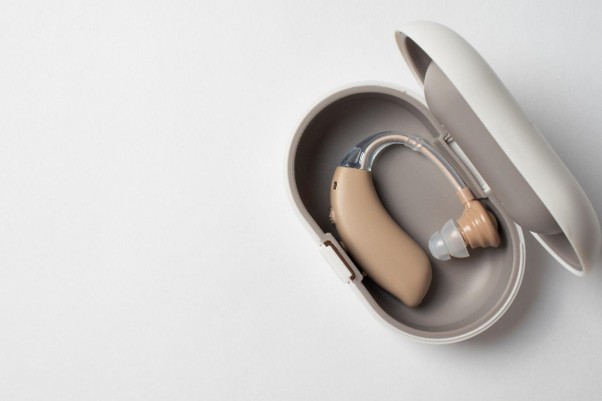
Beyond the computer sector, artificial intelligence (AI) is transforming other industries. With the best clarity, comfort, and convenience available today, AI technology has changed what’s possible in treating hearing loss. By prioritizing the sounds and voices you want to hear, reducing background noise, and adapting to different listening situations, AI hearing aids outperform conventional devices.
In this article, we break down how AI hearing aids work, how the technology helps, and the benefits of a professional hearing evaluation. Continue reading the blog for a detailed study.
What are AI Hearing Aids?
AI hearing aids use artificial intelligence to produce a more realistic and accurate sound experience. AI hearing aids expand on the capabilities of digital hearing aids, unlike previous analogue aids that amplify all sounds equally. While digital hearing aids enable selective sound amplification, AI hearing aids go one step further by differentiating between sounds such as speech and background noise and adjusting their output in real time for improved comfort and clarity.
Machine-learning algorithms, which enable the hearing aids to learn user preferences over time, are at the heart of this technology. Deep neural networks, highly refined systems modelled after the human brain, help identify and prioritize sounds, including music, speech, and background noise. As a result, conversations are clearer, and background noise is reduced. AI hearing aids automatically adjust settings to fit your location or activity without requiring human input because they process ambient noise in real time.
How does Artificial Intelligence Work in Hearing Technology?
AI-powered hearing aids continuously assess the noises in your surroundings using machine-learning algorithms and automatically adapt for the best possible hearing. In short, these gadgets affect how your brain processes sound, helping you hear more clearly. Your hearing aids work better the more you use them because they continuously assess usage trends and adjust their settings based on your interactions, needs, and preferences.
How do these Devices Process Sound?
Using Microphones to Record Sounds
AI hearing aids start by recording noises from the surroundings using tiny built-in microphones. These microphones pick up speech, background chatter, traffic, music, and other noises. The device then converts these auditory impulses into digital data that can be processed electronically.
Examining the Audio Environment
Artificial intelligence systems analyze the incoming audio after recording. The system can differentiate speech from background noise and other ambient sounds, and recognize various sound patterns. This allows the hearing aid to understand what the wearer is likely trying to hear.
Distinguishing Speech from Background Noise
Hearing aids with artificial intelligence can help separate unwanted background noise from speech. In a busy place, for instance, the gadget might reduce background noise and other distracting sounds while focusing on the nearby speaker. This can make speech easier to follow in hard listening circumstances.
Adjusting to Shifting Circumstances
It can continuously modify its settings in response to changes in the listening environment. The gadget can adjust noise control and amplification when someone enters a group discussion or moves from a quiet room to a busy street.
Customized Audio Processing
Certain AI hearing aids can learn the wearer’s usage habits and listening preferences. Over time, this technology can offer a more customized listening experience by adjusting sound processing to fit different situations and personal needs.
Where can this Technology Help?
Noise reduction – AI systems can differentiate between voice and background noise, helping the wearer speak more clearly and reduce unpleasant sounds.
Adaptive sound processing – Based on the wearer’s surroundings, AI can modify the hearing aid’s settings in real time. For example, it can switch between settings for quiet discussions and loud places.
Personalization – Over time, AI can learn the wearer’s habits and preferences, allowing the hearing aid to adjust settings for a more customized listening experience.
Health tracking – Certain AI-enabled hearing aids may track the wearer’s physical activity and heart rate, among other health parameters, providing important information about general well-being.
Fault detection – When the wearer falls, AI can use refined settings to recognize it and notify someone on their behalf.
Who may benefit from this Technology?
People with hearing loss who struggle to understand speech in noisy or changing situations may benefit from AI hearing aids. People who regularly engage in group discussions, go to social gatherings, work in hectic environments, or spend time outside may find them very helpful. Because AI-powered gadgets can adapt to different listening contexts, people who prefer more automated sound adjustments may also find them appealing.
They may help preserve independence and communication for older adults with age-related hearing changes. Before selecting a device, a professional hearing evaluation is advised because the kind and severity of hearing loss determine which hearing aid is best.
Why a Professional Hearing Evaluation Matters
Determining the Kind and Severity of Hearing Loss
A professional hearing evaluation helps identify the kind and severity of hearing loss as well as whether it is present. One or both ears may be affected, and hearing problems may vary by sound frequency. A hearing aids specialist can recommend suitable therapy or hearing aids based on these specifics.
Recognizing Your Listening Requirements
Each person’s experience with hearing loss is unique. Through a hearing evaluation, professionals can identify the most challenging situations, such as listening to family members, following conversations outside, or understanding speech in meetings. When choosing hearing aids that meet your everyday communication needs, these tips can help.
Selecting the Appropriate Hearing Device
Contemporary hearing aids offer several features to manage speech and background noise, including AI-powered options. An expert assessment provides crucial data to guide your technology choice. It can also ensure the device is set up correctly for your unique hearing profile.
Identifying Possible Ear Issues
Signs that call for more medical care may be found during a hearing evaluation. An underlying ear issue may occasionally be indicated by short or sudden changes in hearing, persistent ringing, ear pressure, or other symptoms. Early detection can facilitate prompt evaluation and treatment.
Creating a Baseline for Hearing
Frequent assessments can offer a baseline for tracking hearing over time. Future test results can be compared to spot progressive changes and indicate when more aid or adjustments might be needed.
Are AI Hearing Aids Challenging to Operate?
Not at all! AI hearing aids are very easy to use. They require very little human input and automatically adapt to various acoustic settings. The gadget learns from your choices and runs silently in the background so you can continue with your day after an initial hearing aid fitting and setup with a hearing aid specialist.
Are AI Hearing Aids more Expensive than Conventional Ones?
Although AI hearing aids are slightly more expensive initially, most users find the advantages far outweigh the cost difference. Features like reduced listening exhaustion, clearer speech, and automatic environmental adjustments can significantly improve your quality of life.
Get an AI Hearing Aid Demo at Roger Clark Hearing
AI technology in hearing aids, along with user-focused features, delivers a new level of sound clarity and a more customized listening experience. The hearing aids specialist at Roger Clark Hearing Centers can help you select the ideal hearing aids for your needs. Experience the power of AI hearing aid technology for yourself by visiting our hearing clinic.