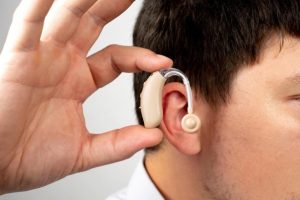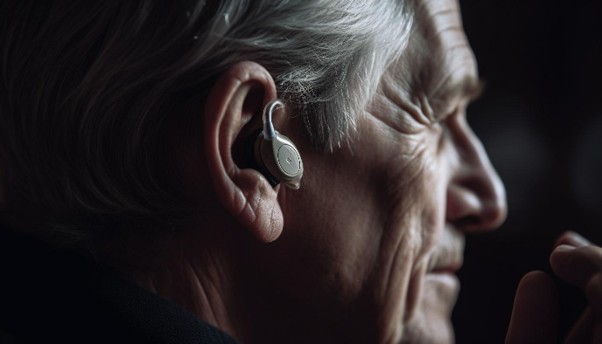
Bluetooth technology allows you to wirelessly transmit and stream audio from your devices directly to your hearing aids. For those who have hearing loss, Bluetooth and hearing aids are crucial. The majority of modern wireless hearing aids use Bluetooth to make using smartphones easier for their wearers. Calls can be streamed straight through Bluetooth hearing aids, which greatly improves the clarity and audibility of the caller’s speech.
What are Bluetooth Hearing Aids?
When choosing your hearing aids, it’s crucial to keep in mind that not all Bluetooth devices are compatible with cell phones. Additionally, the connection between your phone and your hearing aids may occasionally fail, just like any Bluetooth connection. Our personnel can always assist if this occurs.
The television is another common device that people pair with their hearing aids via Bluetooth. A Bluetooth TV adapter, a small device that connects to your television and transmits audio to your hearing aids, is typically required because hearing aids cannot connect directly to televisions. When you listen to the TV this way, you get clear sound that you can adjust to suit your preferences without affecting other people’s TV volume.
Additionally, because the hearing aids can stream TV audio while still picking up voices in the room, you are not cut off from the conversations around you. Tablets, iPads, PCs, and remote microphones are other Bluetooth devices that individuals frequently use in conjunction with their hearing aids.
How do Bluetooth Hearing Aids Work?
Bluetooth uses high-frequency radio waves to safely transfer data between two or more devices. Bluetooth Classic and Bluetooth Low Energy (BLE) are the two main Bluetooth choices. Most hearing aids use BLE because they are small and have limited battery capacity. You can use your hearing aids for extended periods without draining the battery thanks to this option, which uses less power while maintaining high sound quality.
Benefits of Bluetooth Hearing Aids
The main objective is to treat hearing loss, but these gadgets also improve everyday convenience in numerous ways. The top benefits for contemporary users are as follows.
- Exceptionally clear voice calls for smooth communication.
- High-quality sound transmission straight into your ears from your mobile device.
- Enhanced voice tracking in crowded social settings.
- The option to customize your experience with a user-friendly smartphone interface.
- Your audiologist or hearing care specialist can provide you with digital support for fast setting changes.
Linking a Smartphone to Hearing Aids
Make sure the hearing aids are Bluetooth-compatible before you begin. This feature is included in most contemporary hearing aids. Next, to effectively connect the hearing aids to a smartphone, follow the instructions below.
The Connection Procedure
Activate Bluetooth on the smartphone: Open the settings menu. Activate the Bluetooth function. The phone will start looking for available devices.
Activate your hearing aids: Make sure they are turned on. While some models may require pressing a button to enter pairing mode, others may do it automatically.
Pair devices: Search the smartphone’s list of compatible Bluetooth devices for the hearing aids. Once you’ve found them, select them and follow any additional pairing guidelines provided by the smartphone or hearing aid manufacturer.
Verify the connection: A successful connection is indicated by a notice on the phone following pairing. Play some music to test the connection and make sure everything is working properly.
How to Choose the Right Hearing Aid
Selecting the appropriate hearing aid requires considering a number of factors.
Your Way of Life
Your choice of equipment can be influenced by your listening objectives and regular daily physical activities. Your hearing aids should have features designed to help you in important circumstances, whether it’s listening to your grandchildren, comprehending coworkers in a meeting, or taking part in conversations at family dinner. The hearing aid you select should be practical and long-lasting for your daily activities.
Requirements for Technology
Keeping up to date with the latest advancements in hearing technology will also help you determine which devices will work best for you. Look for directional microphones and noise reduction to improve speech clarity in noisy environments; convenient rechargeable batteries; hearing aids with Bluetooth connectivity for music and phone calls; and AI features that enable your devices to adjust to your surroundings and preferences and provide strong background noise assistance. The field of hearing technology is constantly developing. During your yearly hearing appointment, ask your hearing care specialist about the most recent advancements in hearing technology.
Ease and Comfort
Wearing your hearing aids should be comfortable. For a fit that produces pleasant, natural, and sufficient sound, we take into account your ear shape and hearing levels. Different varieties require different daily hearing aid cleaning and maintenance, such as cleaning, changing batteries, and putting them on and taking them off. Which hearing aids are easiest to use depends on management skills such as vision and dexterity.
Budget for Devices
To accommodate a range of budgets, hearing aids are offered in a variety of sizes, forms, and levels of technology. Every hearing aid uses technology to improve hearing, and as you move up the technological range, the features become more refined. We take your lifestyle, listening objectives, and budget into account when choosing the best device for you.
Type and Severity of Hearing Loss
The kind and style of hearing aid you choose may depend on the severity and type of your hearing loss. To ensure you can use your hearing aids now and in the future, our hearing care specialists will consider your current and future hearing levels when selecting your device.
Get Personalized Help Choosing Hearing Aids
Your ability to interact with others, communicate, and enjoy daily life can all be significantly improved by selecting the appropriate hearing aids. Personalized advice is crucial when choosing the appropriate device, features, and degree of help because each person has unique hearing needs. Roger Clark Hearing, the Central Texas hearing center, is dedicated to helping you understand your options and reach a confident, well-informed decision.
Professional assistance may make the process simpler and more comfortable, from determining your hearing needs to finding practical, suitable hearing aids in Waco, TX. You can find hearing aids that fit your lifestyle and improve your confidence and hearing clarity with the right customized approach.
FAQ
- Can Bluetooth hearing aids connect to smartphones?
Yes, many hearing aids connect with smartphones for calls, audio streaming, and convenient control through compatible apps.
- Do Bluetooth hearing aids work with all phones?
Compatibility varies by hearing aid and phone model. Check the manufacturer’s compatibility requirements before purchasing.
- Can music be streamed using Bluetooth hearing aids?
Indeed, compatible smartphones and other devices can broadcast music and other audio directly to compatible Bluetooth hearing aids.
- Do Bluetooth headphones need to be charged?
Rechargeable batteries are used in some models, whereas replaceable batteries are used in others. Usage and the particular gadget determine how long a battery lasts.
- Is it possible to operate Bluetooth hearing aids via an app?
Yes, many models have companion apps that let customers adjust settings, listening programs, volume, and other features from their smartphones.