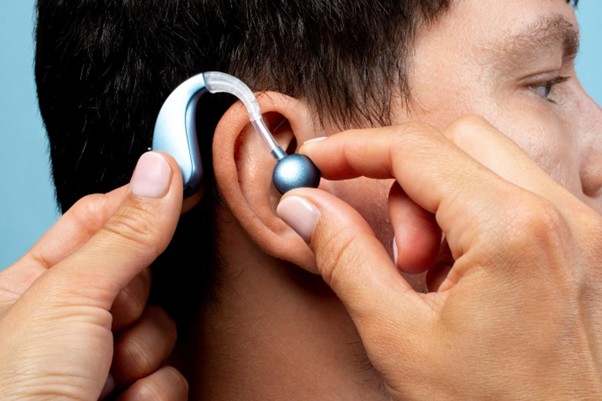
Now that you’ve had your hearing tested and chosen a hearing aid model, it’s time for your hearing aid fitting appointment. This is an integral part of the procedure, and you will leave your session with your brand-new hearing aids. It’ll be a lengthy appointment; a hearing aid fitting is a tailored, hands-on, information-heavy session that will require your full attention for the majority of the time. Expect to spend one to two hours at your appointment.
During this session, your hearing care provider will fine-tune settings, customize features, and show you how to fit a hearing aid for everyday use properly. At Roger Clark Hearing, we want every patient to feel at ease and supported, and understanding what to expect is the first step toward improved hearing.
What is a Hearing Aid Fitting?
After your hearing evaluation, a professional procedure called a hearing aid fitting is carried out to ensure that your devices are configured to provide you with the best possible hearing experience. The process of installing hearing aids ensures that your new devices appropriately compensate for your hearing loss, while hearing tests determine the type and degree of your hearing loss. Your audiologist or hearing specialist will use the results of your hearing tests –
- To program your devices during this phase.
- Modify the advanced features, frequency, and loudness.
- Make sure your hearing aids fit comfortably in your ears.
- Show regular use and maintenance.
- Examine maintenance procedures, such as washing hearing aids.
Even the most refined devices require specialized modifications to function correctly, which is why a hearing aid fitting is crucial. Your specialist at Roger Clark Hearing, your Waco hearing center, provides just that.
Step-by-Step Hearing Aid Fitting Guide
A professional hearing aid fitting typically follows a set of steps, though each clinic has its own system. Here’s a detailed explanation so you know precisely what to anticipate.
First Consultation and Hearing Test Review
The first thing your hearing specialist will do is go over the results of your audiogram. This helps identify the frequencies you have trouble hearing.
- Whether it has an impact on voice clarity
- The best kind of hearing aid for you
As hearing aids must fit your particular listening settings, your lifestyle, everyday activities, and personal preferences are also taken into account.
Comfort and Physical Fit Assessment
The hearing specialist then makes sure the devices are comfortable in your ear canals. Whether you wear receiver-in-canal (RIC), behind-the-ear (BTE), or custom in-ear styles:
- The earpiece shouldn’t feel overly tight or pinch.
- Feedback (whistling) is not appropriate.
- It should be easy and seamless to insert and remove.
Your specialist will make any necessary adjustments right away.
Setting Up the Hearing Aids
One of the most crucial steps in the fitting process for hearing aids is this. The hearing specialist will connect your hearing aids to a computer and make customized adjustments using specialized software.
Typical programming consists of:
- Depending on your hearing loss, you can amplify particular frequencies.
- Keeping quiet and loud noises in balance
- Configuring directional microphones
- Modifying the features that reduce noise
- Customizing streaming and Bluetooth settings
This step ensures your hearing aids are customized to your unique hearing profile.
Real-Ear Measurements (REM)
In contemporary hearing care, REM is the gold standard. Your hearing aid is evaluated in real time as a tiny microphone is inserted into your ear.
Your supplier assesses:
- The way sound travels through the ear canal
- Does the amplification fit your prescription?
- Naturalness and clarity of speech
While not every clinic uses REM, Roger Clark Hearing adheres to industry-standard procedures to ensure your device delivers maximum accuracy and comfort.
How to Fit and Utilize Your Hearing Aids
Ensuring you understand how to fit a hearing aid, turn it on and off, maintain it, and troubleshoot fundamental issues is an essential part of the session.
Your expert will guide you through:
- How to put the device in and take it out
- How to change programs
- How to change the loudness (if applicable)
- How to swap out or charge batteries
- Appropriate methods for cleaning hearing aids
- Best practices for safety, maintenance, and storage
You will leave this course feeling assured and ready to use your new gadgets.
Sound Testing and Real-World Simulation
Your provider will simulate several settings to make sure your hearing aids feel natural, including:
- Calm rooms
- Busy restaurants
- Outdoor areas
- Talking on the phone or TV
To allow for immediate modifications, you will be asked how everything sounds.
Final Adjustments and Personalized Settings
Your provider makes last-minute adjustments based on your input before the appointment ends. These modifications could consist of:
- Improving the clarity of speech
- Lowering background noise
- Keeping loudness and comfort in balance
- Tinnitus alleviation settings customization
You’ll depart with settings tailored to your lifestyle and ears.
How long does a Hearing Aid Fitting Take?
The average duration of a hearing aid fitting appointment is between 45 minutes and 1.5 hours, depending on:
- The kind of hearing aid
- How much experience you have using hearing aids
- If real-ear measurements are taken
- How many changes are needed
- The duration of training
Learning and boosting confidence are crucial; the appointment may take a little longer for new users. Your provider will never rush the process. Before you leave Roger Clark Hearing, your Waco hearing center, we take the time necessary to ensure your devices are comfortable and function perfectly.
What Happens after the Fitting?
The initial appointment is not the end of your trip. It takes time to get used to hearing aids, and long-term effectiveness depends on follow-up care.
What usually occurs next is as follows:
Appointments for follow-up
- Most patients return in a week or two, so the provider can assess your condition.
- Examine any problems
- Make additional changes to the sound.
- Assess usability and comfort.
Your hearing aids will continue to function at their peak thanks to these fine-tuning appointments.
Continuous Maintenance
Regular maintenance is essential to keeping your gadgets functional. This comprises:
- Regular cleaning of hearing aids
- Replacements for filters and crowns
- Inspections of chargers or batteries
To keep your gadgets in top condition, your provider might also give scheduled cleanings or care packages.
Assistance in Getting Used to New Sounds
With hearing aids, you can hear sounds that you haven’t heard in a long time. Your healthcare provider will suggest techniques to help your brain adapt and naturally understand new sounds, but this process may take some time.
Availability of Repairs and Support
Your hearing care professional is available for long-term assistance, whether you need repairs, adjustments, or troubleshooting. This is particularly beneficial if you wear hearing aids in Waco, TX, where Roger Clark Hearing offers trustworthy care at every stage.
Roger Clark Hearing – Your Go-To Source for Better Hearing
Purchasing hearing aids is a transformative move, and the transformation begins during the fitting process. At Roger Clark Hearing, we’re dedicated to making sure your gadgets assist you in every setting, sound natural, and feel comfortable. Our experts guide you through every step of the process, from the first fitting to ongoing maintenance and modifications, whether you’re new to hearing aids or upgrading to cutting-edge technology.
Make an appointment for a hearing aid fitting right now if you’re ready to enjoy a higher quality of life, clearer, fuller sound, and more explicit conversations. Discover the noises you’ve been missing with the help of Roger Clark Hearing!