Since hearing is essential to speech, and cognitive and social development, every parent wants to ensure their child is developing normally. One of the most crucial early screenings you can arrange to ensure your child can hear sounds clearly from birth is a pediatric hearing test. Children’s hearing problems are not usually evident; if left unnoticed, even minor ones can affect language development.
Many parents worry about how to test their newborns’ hearing when they are still unable to respond to sounds, or ask questions about infant hearing tests. Fortunately, safe, gentle, and exact testing techniques designed specifically for infants, toddlers, and older children are used in modern pediatric hearing treatment. Families can be sure their child’s hearing health is being examined from the very beginning when they have access to expert services, such as a hearing test in Waco, TX.
The Importance of Hearing Tests in Early Childhood
Children’s ability to communicate, comprehend language, and engage with their environment is directly impacted by their hearing. Even a temporary hearing impairment can affect a child’s ability to perceive sounds during crucial developmental stages. Early hearing tests help detect issues before they cause learning or speaking problems. Early hearing examinations are essential for the following principal reasons.
Aiding the formation of language: Children pick up speech by hearing it. Hearing impairments may slow this process.
Enhancing academic preparedness: Attention and comprehension in the classroom can be impacted by hearing issues.
Giving parents peace of mind: Knowing that their child’s hearing is progressing as planned gives them comfort.
Families should maintain a proactive approach to hearing health by scheduling routine tests and follow-up exams. A professional hearing test in Waco, TX, can provide precise answers and guidance on next steps if issues arise.
Hearing Tests for Newborns
In many areas, newborn hearing screening is now a routine component of hospital care. The purpose of these early exams is to identify potential hearing issues before a newborn leaves the hospital. Parents frequently inquire about how to test a newborn’s hearing, and the procedure is gentler than most people realize.
Hearing tests for newborns are:
- Fast and painless
- Carried out when the infant is peaceful or asleep
- Extremely precise in identifying early hearing issues
Although they are not comprehensive diagnostic tests, these preliminary screenings help determine whether additional testing is needed. If a newborn fails the screening, it only means that further testing is recommended and does not necessarily indicate lifelong hearing loss. At this age, a hearing exam guarantees that any issues are resolved as soon as possible, laying the groundwork for a child’s healthy communication development.
Hearing Tests for Infants (0–6 Months)
Hearing tests are used to obtain more specific information about newborns who show signs of hearing impairment or who require further evaluation after newborn screening. Specialized, non-invasive testing is needed because infants in this age range cannot respond to noise in the same way as older children.
Typical diagnostic procedures for newborns consist of:
Auditory Brainstem Response (ABR)
This test measures how the brain and auditory nerve respond to sound. While sensors are positioned on the infant’s head to capture their responses, soft noises are played through earbuds.
OAE, or Otoacoustic Emissions
This test measures the small sound waves generated by the ear itself to determine how well the inner ear responds to sound.
Tympanometry (sometimes)
This helps evaluate middle ear function, including the presence of fluid behind the eardrum.
These tests offer comprehensive information about hearing ability and are safe and comfortable for babies.
Hearing Tests for Toddlers (6 Months – 3 Years)
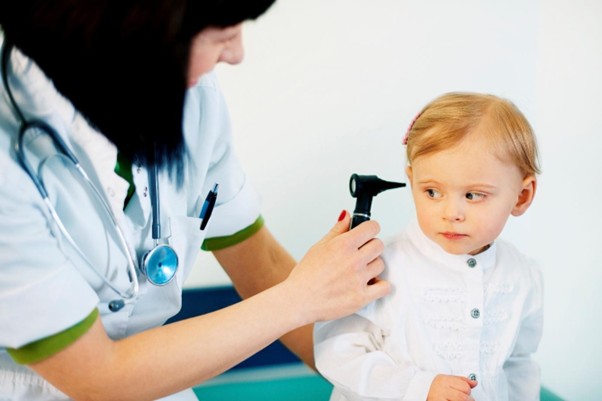
Hearing examinations become more developmentally appropriate as kids get older. Toddlers are frequently assessed through play-based techniques that promote organic reactions to sound.
Typical methods for toddlers consist of:
Audiometry with Visual Reinforcement (VRA)
When a child is trained to turn toward a sound, the response is reinforced with a visual reward, such as a lit toy.
Audiometry through Conditioned Play (for older toddlers)
When they hear a sound, kids are required to carry out a basic task, such as putting a block in a bucket.
Testing of the Middle Ear
This helps detect temporary problems such as fluid accumulation or ear infections.
A child’s ability to hear sounds clearly across various volumes and pitches can be assessed using these tests. Families can arrange a thorough hearing test in Waco, TX, for additional assessment and individualized care planning if issues arise.
Hearing Tests for Older Children
Typically, older kids can take more conventional hearing exams that are comparable to those given to adults. These tests are intended to measure hearing capacity at various sound intensities and frequencies.
Typical assessments for older kids consist of:
Audiometry in Pure Tone
When they detect a sound, the child signals and listens to tones through headphones.
Audiometry of Speech
Measures how well the child can hear and understand spoken words.
Tympanometry
This examines the health of the middle ear and the movement of the eardrum.
These assessments help detect both transient and long-term hearing issues and provide insight into hearing capacity. Families can discuss suitable treatment options and continuing support with a hearing aid specialist if hearing loss is identified.
After the Hearing Test
Following your child’s hearing test, the hearing care specialist will go over the results with you and provide an easy-to-understand explanation of what they mean. Findings may indicate normal hearing, transient problems (such as fluid in the ear), or more long-term hearing problems.
The following actions could be:
- Tracking hearing over time
- Testing again if the results are not clear
- If necessary, a medical referral
- Discussion of hearing support options
- Early intervention programs, if hearing loss is verified
A child’s communication skill development can be significantly impacted by early support. Families who partner with experienced providers like Central Texas Hearing Center receive ongoing guidance and access to professional pediatric hearing care resources.
Choosing the Right Pediatric Hearing Care
Selecting the best provider for your child’s hearing care is a crucial choice. Look for professionals who specialize in pediatric hearing health and understand how to work with children of different ages.
Think about the following when choosing a pediatric hearing care provider:
- Experience with children of all ages
- Availability of kid-friendly testing tools
- Clear communication and family-centered care
- Working together with specialists and pediatrics
- Continuous assistance and follow-up services
Facilities that offer comprehensive services, such as Roger Clark Hearing Centers, a Central Texas hearing center, provide families with continuity of care—from newborn screenings to advanced pediatric evaluations. Working with a certified hearing aid specialist ensures your child receives age-appropriate solutions and ongoing adjustments as needed as they develop.
Roger Clark Hearing – Assisting Your Child’s Hearing Development
Healthy communication, education, and social development are all made possible by early hearing care. Your child has the best chance of thriving if you schedule a pediatric hearing test at the appropriate points in their development. Whether you’re exploring options for a hearing test on infants, learning how to test hearing in a newborn, or planning routine hearing checkups, Roger Clark Hearing Centers is committed to guiding families with compassionate, professional pediatric hearing care.