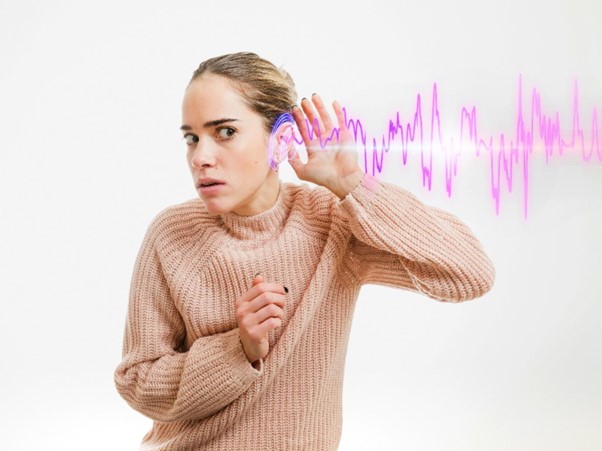
You’re not alone if you’ve ever wondered, “Can hearing aids help with tinnitus?” Millions of people experience regular ringing, humming, buzzing, or whooshing in their ears, which can be annoying for many. Concentration, mood, sleep quality, and enjoyment of daily interactions are all affected by tinnitus.
Even though there isn’t a cure, hearing technology has come a long way, offering patients new hope through practical treatment techniques. Using hearing aids to cure tinnitus is one of the most effective methods. Innovative hearing solutions can significantly reduce the perception of tinnitus and enhance your overall hearing experience, regardless of how severe your symptoms are. It’s crucial to understand what tinnitus is and why a professional evaluation, such as a hearing test in Waco, TX, is essential before delving into how these devices operate.
What is Tinnitus?
Tinnitus is not a condition in and of itself. Instead, it is the sense of sound in the absence of any external source. These ghostly sounds could be periodic or persistent. Although each person’s experience is unique, typical tinnitus noises include:
- Ringing
- Buzzing
- Clicking
- Roaring
- Hissing
- Chirping
One or both ears may be affected by tinnitus, which can range from a quiet background noise to a loud, bothersome sound that interferes with day-to-day activities. Although many individuals link tinnitus to aging or noise exposure, there are other possible reasons as well, such as:
- Inner ear hair cell damage
- Earwax blockages
- Circulatory disorders
- Stress and anxiety
- Head or neck injuries
- Certain medications
Given the many possible causes of tinnitus, a professional evaluation is crucial. A precise diagnosis can reveal underlying causes and direct the appropriate course of treatment. As such, people who experience ringing in their ears are advised to get a hearing test in Waco, TX, at a reputable provider such as Roger Clark Hearing.
Tinnitus and Hearing Loss are Linked
Many patients are surprised to learn that tinnitus and hearing loss frequently coexist. Actually, studies indicate that around 90% of tinnitus sufferers also have some degree of hearing loss. The relationship is evident in the brain, and the auditory system interacts with it.
The brain receives fewer signals from the sensitive hair cells in your inner ear when they sustain damage, which is often caused by exposure to noise, aging, or illness. To compensate for the auditory system, there is increased neural activity. This “hyperactive” activity is believed to be responsible for the ghost sounds known as tinnitus.
Typical explanations for the connection between hearing loss and tinnitus include:
Diminished external sound input: Your brain produces sounds to fill the void when you have poor hearing.
Compensatory brain activity: Tinnitus is frequently the result of the brain’s attempt to restore missing sound information.
Common causes: Age, ear disorders, and noise damage can produce tinnitus and hearing loss at the same time.
Treatments that enhance hearing often also reduce tinnitus symptoms because the two conditions are closely related. This leads us to one of the best management options on the market today – tinnitus cure hearing aids.
How Hearing Aids Help with Tinnitus Relief
The answer to the question, “Can hearing aids help with tinnitus?” is definitely yes. Hearing aids are frequently the first and best treatment for tinnitus. These gadgets help in rebalancing the auditory system by treating both tinnitus and hearing loss.
Here’s how:
Amplifying External Sounds
Increasing the volume and clarity of external sounds is one of the most straightforward yet effective ways hearing aids may be helpful. When your ears are exposed to more natural sound:
- Tinnitus becomes less apparent.
- The brain can concentrate on actual sound.
- There is less of an interior ringing.
In most listening situations, amplification offers an immediate masking effect that lessens the loudness or awareness of tinnitus.
Restoring Equilibrium Brain Activity
Improving your hearing lessens the need for your brain to fill in the gaps, as tinnitus frequently arises from the brain’s overcompensation for hearing loss. For some people, this may significantly reduce or even eliminate tinnitus over time by calming neuronal hyperactivity.
Integrated Sound Masking Functionalities
Dedicated tinnitus therapy programs are included in contemporary hearing medicine. These could include:
- White noise
- Ocean wave sounds
- Soft ambient tones
- Nature-inspired soundscapes
These calming background sounds provide your brain with something enjoyable to concentrate on, relax the auditory system, and help disguise tinnitus.
Personalized Tinnitus Therapy
Your hearing aids can be adjusted to match when you collaborate with a hearing professional.
- The frequency of your tinnitus
- Your degree of hearing loss
- Your requirements for a lifestyle
- Your auditory sensitivity
Compared to over-the-counter medications or generic apps, our tailored approach offers a far more focused and efficient relief experience.
Benefits of Hearing Aids for Tinnitus Patients
For people with tinnitus, hearing aids have several benefits. Here are a handful of the most significant benefits.
Diminished Awareness of Tinnitus
Together, amplification and masking technology significantly reduce the frequency and severity of ear ringing.
Enhanced Comfort in Speaking and Listening
Conversations are easier, and background noise is less distressing when hearing is improved. On its own, this significantly enhances emotional health.
Improved Happiness and Reduced Stress
Tinnitus frequently causes annoyance, worry, or difficulty concentrating. Improved hearing provides emotional and mental peace by breaking this loop.
Improved Quality of Sleep
Tinnitus is most noticeable at night. To help you unwind and fall asleep more readily, hearing aids let you stream soft sounds.
A Non-Invasive, Drug-Free Solution
Without the need for medicine or surgery, hearing aids offer long-term, natural relief. They assist your auditory system in a manner consistent with the way your brain naturally interprets sound.
Roger Clark Hearing: Where Your Tinnitus Relief Journey Begins
Your ability to concentrate, sleep, and overall quality of life can be negatively affected by continuous ringing or buzzing, but you don’t have to deal with it alone. At Roger Clark Hearing, we specialize in treating tinnitus with hearing aids, reducing symptoms, and restoring the natural balance of sound. Our caring staff takes the time to learn about your hearing issues, conduct a thorough hearing test in Waco, TX, and provide customized solutions that work with your lifestyle. We’re here to help you finally experience calmer, clearer hearing, whether you’re investigating the newest tinnitus relief technology or looking for advice from a knowledgeable hearing aids specialist.
FAQ
Do hearing aids stop tinnitus?
While some people may not be able to end their tinnitus with hearing aids alone, many individuals report significant relief. Hearing aids reduce tinnitus’s loudness, frequency, and emotional impact, improving hearing clarity and providing sound therapy. Over time, tinnitus may become insignificant for some patients.
What distinguishes standard hearing aids from those that relieve tinnitus?
Indeed. All hearing aids enhance sound, but those designed specifically for tinnitus offer features such as adjustable soundscapes and therapeutic tones. These enhancements are more helpful for tinnitus-focused care since they specifically target tinnitus.
How long does it take for hearing aids to show results?
While some people feel better right away, others may need a few weeks for their brains to adjust. Regular consultations with an expert in hearing aids ensure your settings are optimal for both comfort and effectiveness.
Can untreated tinnitus worsen?
Yes, many people. Tinnitus may become more apparent if hearing loss is left untreated and noise exposure persists. Early assessment with a hearing test in Waco, TX, can help guide prompt treatment and prevent worsening symptoms.
Does tinnitus actually require a professional hearing test?
Of course. There are numerous potential reasons for tinnitus, and the optimal course of action can only be determined after a professional diagnosis. A hearing test can be used to measure tinnitus patterns, assess hearing loss, and develop a customized plan for you.