Many people compare cochlear implants with hearing aids when evaluating contemporary hearing options to choose the option that best suits their hearing needs. People affected by hearing loss experience hearing loss in various ways, and selecting appropriate equipment can significantly affect confidence, communication, and overall quality of life. Being aware of your options helps you make well-informed decisions about your hearing health, regardless of how severe your hearing issues are.
If conventional hearing aids no longer seem to provide sufficient benefit, it is even more crucial to understand the debate between cochlear implants and hearing aids. Sometimes people find that cutting-edge solutions, like cochlear implants, offer a new path to hearing. Professional care, such as a thorough hearing exam in Waco, Texas, where audiology experts can assess your communication goals and hearing profile, is the best way to determine next steps.
Understanding Hearing Aids and Cochlear Implants
Although both cochlear implants and hearing aids are intended to help people with hearing loss, they serve different degrees of hearing impairment and operate in various ways.
Hearing Aids
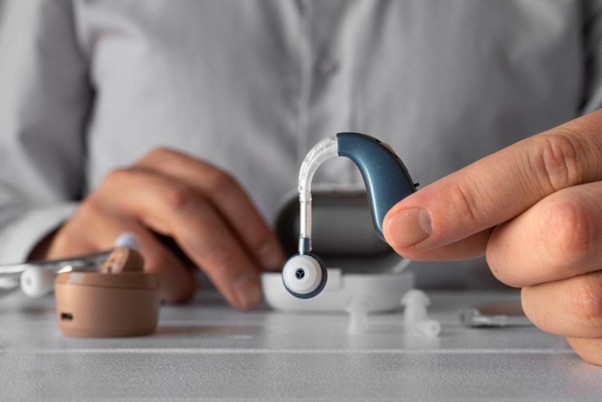
Small electronic devices worn in or behind the ear are called hearing aids. To improve the ear’s natural hearing system’s ability to process sound, they amplify it and direct it into the ear canal. Modern hearing aids are incredibly advanced and adaptable to a variety of circumstances, including outdoor spaces, crowded areas, and quiet quarters.
People with mild to moderate hearing loss and those with high-frequency hearing loss, which makes it harder to detect higher-pitched sounds like speech consonants, benefit most from hearing aids. Many people find that well-fitting hearing aids improve clarity, reduce listening exhaustion, and enhance the enjoyment of conversations.
Cochlear Implants
Cochlear implants are medical devices for those with severe to profound hearing loss who do not benefit much from hearing aids. Instead of improving sound, cochlear implants use electrical signals to activate the auditory nerve, thereby avoiding direct inner-ear injury. After that, the brain learns to perceive these signals as sound.
Cochlear implants require surgical installation, ongoing programming, and hearing rehabilitation. They consist of both internal and exterior components. Even though the auditory experience differs from natural hearing, many users notice noticeable improvements in speech understanding over time.
The Difference between A Cochlear Implant and A Hearing Aid
Understanding the difference between a cochlear implant and a hearing aid may help you determine which option is best for your needs. Here are some notable distinctions.
Sound Delivery Method
Hearing aids use the ear’s remaining natural function to magnify sound. Cochlear implants stimulate the auditory nerve directly by converting sound into electrical impulses.
Hearing Loss Level Addressed
For mild to severe hearing loss, hearing aids usually work well. When hearing aids are no longer sufficient for severe to profound hearing loss, cochlear implants are used.
Medical Participation
A hearing aid specialist at Roger Clark Hearing Centers can install hearing aids since surgery is not necessary. Surgery and post-operative rehabilitation are required for cochlear implants.
Experience with Sound
The impression of natural sound is improved by hearing aids. The brain gradually learns to understand the new sound experience provided by cochlear implants.
Extended-Duration Assistance
Periodically, hearing aids need to be adjusted and maintained. Continuous programming, mapping sessions, and rehabilitation assistance are necessary for cochlear implants.
When one ear has a more severe hearing loss than the other, people may benefit from utilizing a cochlear implant in addition to a hearing aid. This combination strategy can enhance general listening balance, speech comprehension, and sound awareness.
Choosing the Best Hearing Option for Your Needs
Selecting between cochlear implants and hearing aids is a personal choice that should be informed by your particular hearing difficulties, as well as a professional evaluation. Several factors influence the best decision.
Hearing Loss Severity
Hearing aids are a common and effective way to manage mild to moderate hearing loss. If hearing aids are no longer effective, a cochlear implant evaluation may be necessary for severe to profound hearing loss.
Ability to Understand Speech
Cochlear implants could be an option if enhanced sound still doesn’t help you comprehend speech.
Communication and Lifestyle Requirements
Which device will work best for you depends on your social life, workplace, and everyday activities. Individuals who often converse in noisy environments might need more refined hearing aids.
Medical Qualifications
Medical clearance and candidacy testing, which in some cases include imaging and the difference between cochlear implants and hearing aids, are prerequisites for cochlear implants.
Individual Preferences
While some people prioritize the most significant degree of hearing recovery available, others prefer non-surgical methods wherever possible.
A professional hearing test in Waco, Texas, can give you essential information about your speech recognition skills and hearing levels. Waco audiology specialists use this data to provide tailored recommendations that align with your hearing goals.
Benefits and Limitations of Cochlear Implant vs Hearing Aid
Although cochlear implants and hearing aids both have significant advantages, it’s vital to consider their drawbacks.
Benefits of Hearing Aids
- Easy to start utilizing and non-invasive
- It works well for a variety of hearing loss conditions, including high-frequency hearing loss.
- Contemporary styles are subtle and comfortable.
- Cutting-edge features include noise reduction and Bluetooth connectivity.
- Adaptable configurations for various listening contexts.
Limitations of Hearing Aids
- For severe or profound hearing loss, they may not be beneficial enough.
- The inner ear determines effectiveness.
- As hearing loss worsens, performance may suffer.
Benefits of Cochlear Implants
- Give those with low usable hearing access to sound.
- When hearing aids are no longer functional, improve your ability to understand speech.
- It can significantly enhance social interaction and quality of life.
- It can improve sound balance when used in conjunction with a hearing aid.
Limitations of Cochlear Implants
- Require surgery and recuperation time.
- Natural hearing and sound perception are not the same.
- Need practice, patience, and recuperation to achieve the best outcomes.
You can set reasonable expectations and make a confident, well-informed choice if you understand the difference between a cochlear implant and a hearing aid.
The Importance of a Professional Hearing Evaluation
Every person with hearing loss is different. Even if two people have the same level of hearing loss, their everyday hearing challenges and successes can differ significantly. For this reason, hearing care providers use a variety of scientifically validated hearing tests to determine the type, cause, and practical implications of hearing loss, as well as its severity.
Whether the treatment involves medical procedures, assistive technology, or hearing aids, the more precise the assessment, the more successful the treatment. The simple “raise your hand when you hear the beep” test is no longer the only method used in modern audiology. To ensure no information is missed, hearing evaluations now include both objective and subjective criteria.
You may get a precise picture of your hearing health by scheduling a hearing test in Waco, TX. Instead of depending on general advice or presumptions, working with skilled Waco audiology professionals enables you to investigate hearing solutions that are customized to your unique hearing profile.
Roger Clark Hearing Centers – Clearer Hearing Starts with Expert Care
Every solution at Roger Clark Hearing Centers is based on individualized hearing treatment. Professional advice is crucial whether you are managing high-frequency hearing loss, investigating hearing aids for the first time, or considering more advanced options such as cochlear implants. Roger Clark helps you reestablish your connection to the sounds most important in daily life through thorough testing, cutting-edge technology, and ongoing support.
FAQ
How can I determine if a cochlear implant or hearing aid is the best option for me?
Your overall hearing objectives determine the optimum choice, the extent of your hearing loss, and how well you interpret speech with amplification. While those with severe to profound hearing loss who no longer benefit enough from hearing aids may be candidates for cochlear implants, people with mild to moderate hearing loss often benefit from hearing aids. The most reliable way to determine which option best fits your needs is a professional hearing evaluation.
Can I prevent my hearing from deteriorating with hearing aids?
While they help you hear more clearly and lessen listening stress, hearing aids do not stop hearing loss from getting worse. Hearing aids can improve communication and quality of life by keeping you involved in everyday sounds and conversations. To track changes in hearing over time, routine hearing examinations are crucial.
Can a cochlear implant and a hearing aid be used in tandem?
Indeed, many people successfully combine a cochlear implant with a hearing aid, particularly when one ear has more severe hearing loss than the other. By offering a more balanced hearing experience, this combination can enhance sound localization, speech comprehension in noisy settings, and general listening comfort.