Maintaining good hearing health and avoiding discomfort, infections, or long-term damage requires knowing how to properly clean your ears. Many people believe that cleaning one’s ears is a standard hygiene practice; however, using the wrong techniques might be more harmful than beneficial. This blog will walk you through professional tips you can use at home to clean your ears safely, without risking injury. For people who depend on a hearing aid for everyday communication, properly cleaning your ears is crucial, as it protects your ear canal, promotes clearer hearing, and reduces the risk of impacted earwax.
Why Ear Cleaning Should Be Done Carefully
Your ears are self-cleaning, naturally occurring organs that can defend themselves without continual supervision. Cerumen, another name for earwax, develops in the ear canal and spreads outward on its own, taking along dust, dead skin cells, and other debris. This organic mechanism keeps the ear canal clean and prevents dangerous particles from reaching deeper structures. When humans tamper with this process by utilizing improper or dangerous cleaning techniques, issues arise.
Inadequate ear hygiene can result in:
- Impacted earwax being forced deeper into the ear canal, making removal more difficult. Blocked sound pathways can cause temporary or permanent hearing loss.
- Ear canal irritation, inflammation, or infection
- Damage from implanted items to the delicate eardrum
- Problems with the misshaping of hearing aids
Excess earwax can jam microphones and receivers in hearing aids, lowering device performance and sound quality. Because of this, hearing aid cleaning is essential for overall ear care. Maintaining long-term hearing health and protecting your ears can be achieved by being kind, knowledgeable, and cautious.
Safe Ways to Clean Ears at Home
It’s crucial to use safe, gentle techniques that clean your ears efficiently without upsetting their natural balance if you think they require care. The objective is to reduce the risk of irritation, damage, or impacted earwax by supporting the ear’s natural cleaning process rather than interfering with it.
The outer ear should be cleaned.
Cleaning only what is visible is the safest and most advised method.
- After bathing, use a gentle, moist washcloth.
- Wipe the area surrounding the outer ear and the ear canal opening.
- Don’t put tissues, cotton swabs, or anything else in the ear canal.
Without forcing material deeper into the ear, this technique removes excess wax and surface dirt. While avoiding discomfort or harm to delicate internal tissues, it also helps maintain hygiene.
Apply Earwax-Softening Drops
Softening the wax allows it to naturally drain from the ear in cases of mild earwax accumulation.
- Use mineral oil, saline solution, or approved earwax drops.
- For a few days, apply the drops as instructed, typically once or twice a day.
- Tilt your head to allow the softened wax to flow on and let gravity do the rest.
Professionals often recommend this method, which is frequently mentioned when individuals inquire about the safest way to clean their ears at home.
Rinse with Warm Water (Use Caution)
Some people can benefit from gentle irrigation, but it must be done properly.
- To prevent vertigo, just use lukewarm water.
- To let water enter and exit normally, gently tilt your head.
- If you feel pressure, pain, or lightheadedness, stop right away.
If you have a history of recurrent ear infections, eardrum pain, or ear pain, you should not use this technique.
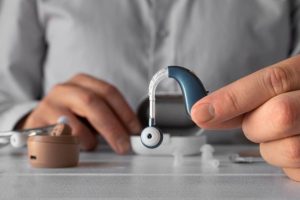
Keep Your Hearing Aids Clean
Taking good care of your ears and your hearing aid is essential.
- Use the manufacturer’s recommended tools to clean your hearing aid every day.
- Replace the filters and wax protectors regularly.
- When not in use, keep gadgets in a dry, protected case.
In addition to enhancing sound quality, hearing aid cleaning promotes overall ear health and comfort by reducing earwax buildup.
What to Avoid
Numerous common ear-cleaning practices are dangerous and can cause long-term harm. Just as crucial as knowing what to do is avoiding this conduct.
Cotton Swabs
Cotton swabs are one of the leading causes of earwax impaction, despite their widespread use.
- Increase the depth of the ear canal using wax
- Increase the risk of eardrum damage
- May increase risk of infection or inflammation.
According to medical professionals, cotton swabs should not be inserted into your ears.
Ear Candling
This substitute method is neither secure nor efficient.
- There is no scientific proof of its advantages.
- Burn risk and wax leaks into the ear can worsen blockages rather than clear them.
Sharp Objects
It is risky to use tissue paper, keys, or hairpins.
- High risk of infections and cuts
- Can harm delicate ear tissues.
- Could result in abrupt hearing loss.
Frequently Deep Cleaning Ears at Home
Too many attempts at deep-cleaning the ears at home can interfere with normal ear function.
- The ear canal may become dry from excessive cleaning.
- May cause discomfort or itching.
- Promotes the overproduction of wax
It could be time to see an expert if you have a strong need to clean frequently.
When to See a Professional
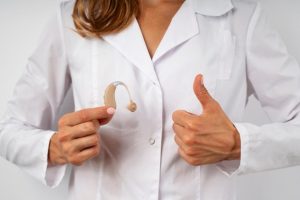
Sometimes it’s crucial to get your ears cleaned by a specialist. Make an appointment with an audiologist or hearing specialist if you experience ear pain, difficulty hearing, or a persistent feeling of fullness in your ear. Earwax can occasionally become impacted, which means it becomes lodged deep inside your ear and requires expert removal.
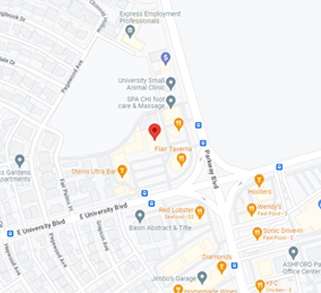
Roger Clark Hearing Centers is available to assist you with all of your ear care requirements. Our helpful staff is available to help, whether you have inquiries about your hearing health or just need a quick ear cleaning.
Clear Ears, Better Hearing – Trust Roger Clark for Safe Ear Care
Understanding how to properly clean ears at home is a significant first step toward better hearing health, but expert advice is crucial. Professional hearing care specialists at Roger Clark can assist you in protecting your ears, preserving your ability to hear clearly, and maintaining the optimal performance of your hearing aid. Our staff can help you with deep-cleaning your ears at home, hearing aid cleaning, or finding the safest technique for cleaning your ears. Make an appointment with Roger Clark Hearing Centers now to receive professional care you can rely on for safer, clearer hearing.