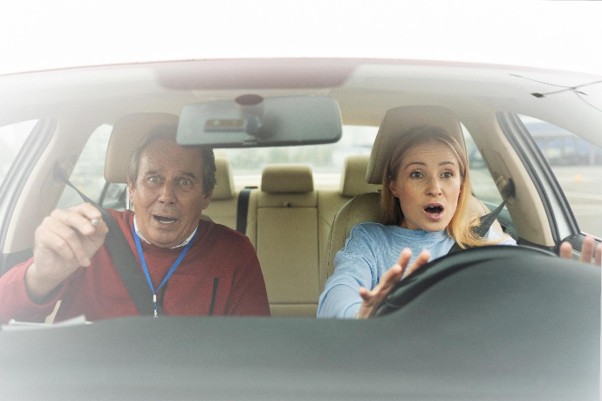
When driving, how much do you depend on your hearing? Most likely more than you anticipate. While sight is the most crucial sense when driving, hearing aids are crucial in detecting impending ambulances, an angry driver’s horn, or accidentally activated turn signals.
Many people ask, can you have hearing impairment and drive? The answer is yes – many deaf and hard-of-hearing individuals drive safely by relying on visual awareness, defensive driving habits, and assistive technologies. Even though hearing loss doesn’t significantly affect your ability to drive, it’s still beneficial to be ready and take extra safety measures.
Can You Drive Safely with Hearing Loss?
Many people with hearing loss can drive safely. Visual awareness, concentration, and fast decision-making are more important for safe driving than hearing alone. Untreated hearing loss, however, may make it more difficult to hear warning sounds, car horns, and emergency sirens.
Sound awareness and confidence, enhanced by routine hearing tests and well-fitted hearing aids, can enhance deaf people’s driving. Additionally, drivers should minimize distractions, use mirrors effectively, and stay aware of their surroundings. People with hearing loss can continue to drive freely and safely with the correct hearing aids and safe driving practices.
The Impact of Hearing Loss on Driving Awareness
A driver with hearing loss may be less aware of crucial sounds that enhance road safety. In some circumstances, it may be more difficult to hear warning alarms, railroad crossing signals, car horns, and emergency vehicle sirens, which could slow reaction times. Untreated hearing issues can still increase the risk of missing important auditory cues, even though many people with hearing loss naturally adjust by depending more on their eyesight.
It becomes increasingly crucial to remain vigilant, check mirrors often, and reduce distractions. Enhancing sound awareness through proper hearing aids for driving and routine hearing evaluations can help drivers stay alert, confident, and better equipped to react to changing road circumstances.
Common Challenges of Deaf Driving
Inability to Hear Emergency Vehicles
Recognizing emergency sirens from fire trucks, police cars, and ambulances is one of the most difficult tasks. To identify these circumstances, deaf drivers rely on visual clues such as flashing emergency lights, traffic flow, and other drivers’ reactions.
Absence of Audible Alerts
The purpose of road construction warnings, train crossing alerts, and vehicle horns is to warn drivers of possible dangers. Deaf drivers must maintain a high level of awareness and regularly monitor mirrors, crossroads, and adjacent vehicles because they cannot hear these sounds.
A Greater Reliance on Visual Awareness
For safe navigation, deaf drivers mostly rely on their vision. It takes exceptional visual attention to keep an eye on mirrors, road signs, pedestrians, cyclists, and surrounding cars. This can increase general alertness, but it also increases the danger of accidents caused by distractions like cell phones or in-car screens.
Interaction while at Traffic Stops
It might occasionally be difficult to communicate with emergency personnel or police during roadside stops. These exchanges are safer and more seamless since many officers have received training on how to communicate successfully through written notes, gestures, or mobile devices.
Adjusting to Modern Technology
Blind-spot monitoring, rear cross-traffic alerts, vibrating seat notifications, visual navigation alerts, and collision warning systems are just a few of the technologies available in modern cars. Deaf drivers can greatly increase their driving safety by learning how to use these technologies.
Improved Awareness of Road Sounds
Properly fitted hearing aids can boost vital noises such as emergency sirens, vehicle horns, and other traffic warnings. This allows drivers to respond more swiftly to changing road conditions.
Increased Self-Assurance while Driving
Better hearing can reduce stress and improve confidence while driving. When they can hear their surroundings more clearly, many people find it easier to navigate busy highways.
Enhanced Overall Safety
To increase overall road safety, hearing aids complement defensive driving techniques and good visual awareness. Regular maintenance and hearing aid adjustments help ensure they continue to produce reliable, clear sound for safer, more comfortable driving.
Expert Tips for Driving Safely with Hearing Loss
Turn down the radio
It might be difficult for people with hearing loss to distinguish some sounds from background noise. You can more readily concentrate on the important safety information you need to hear if you turn down the radio.
Shut the window
Although it’s a lovely way to spend an afternoon driving with the windows rolled down, the wind noise can be annoying. You can focus on safe driving and lessen noise distraction by rolling up your windows halfway or completely.
Put your phone away
In addition to being risky and prohibited, using a phone while driving is also a needless diversion that could endanger you. To maintain concentration and ensure a safer ride, consider putting your phone in the glove box.
Be especially mindful of visual cues.
You must rely more on your eyes when your hearing can’t convey all the information. To keep you and your passengers safe, pay close attention to shifting cars, flashing siren lights, and turn signals.
Put on hearing aids
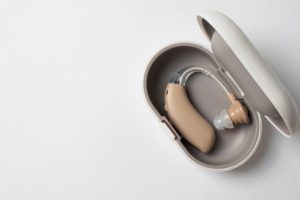
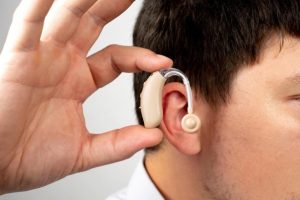
Hearing aids let you hear vital safety sounds, such as oncoming cars, emergency sirens, and automobile horns. These gadgets can greatly lower your chance of an accident and enhance your driving experience by increasing your auditory awareness.
When to Schedule a Hearing Check
Frequent hearing tests are crucial to driving safely, particularly if you observe changes in your ability to hear conversations, emergency sirens, or traffic noises. If you regularly ask people to repeat themselves, have ringing in your ears, or have trouble understanding speech in noisy settings, you should make an appointment for a hearing evaluation at Roger Clark Hearing Centers, a Central Texas hearing center. Even if you don’t have any symptoms, adults should consider getting regular hearing tests as they get older. Early detection enables hearing specialists to suggest the best course of action, such as using hearing aids, which will help you stay safe, confident, and attentive when driving.
Enhance Your Driving Experience with Better Hearing
You may still enjoy traveling on the open road even if you have hearing loss. If you are wondering, can you be deaf and drive, the answer is yes – with the right precautions, many deaf and hard-of-hearing individuals drive safely and confidently. You can get to your destination safely by using your hearing aids and following these safety steps. Make an appointment with one of the hearing aid specialists by getting in touch with our Waco audiology center, Roger Clark Hearing Centers, right now!
Sources:
https://littlerockaudiology.com/driving-safely-with-hearing-loss-tips-and-strategies/
Driving Safely with Hearing Loss: Tips and Strategies – Baker Audiology & Hearing Aids
Safe Driving with Hearing Loss: Tips and Best Practices – Stanford Hearing Aids
Driving with Hearing Loss: Tips for Staying Safe and Confident on the Road | PDX ENT | Blog